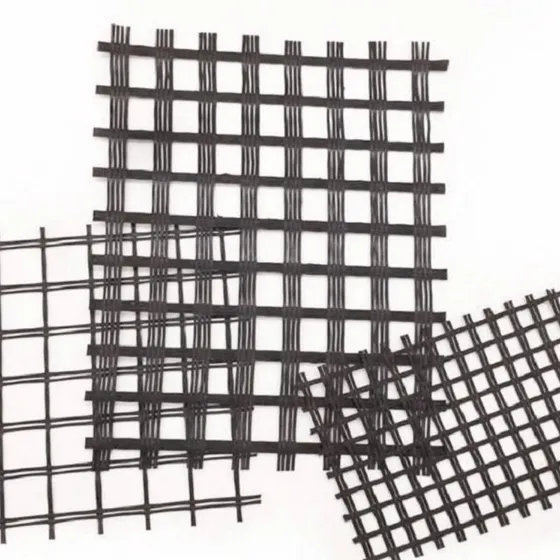
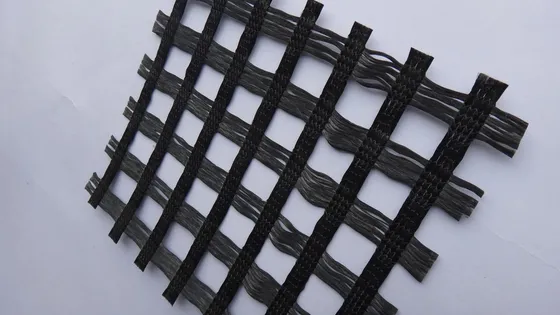
What a uniaxial geogrid is
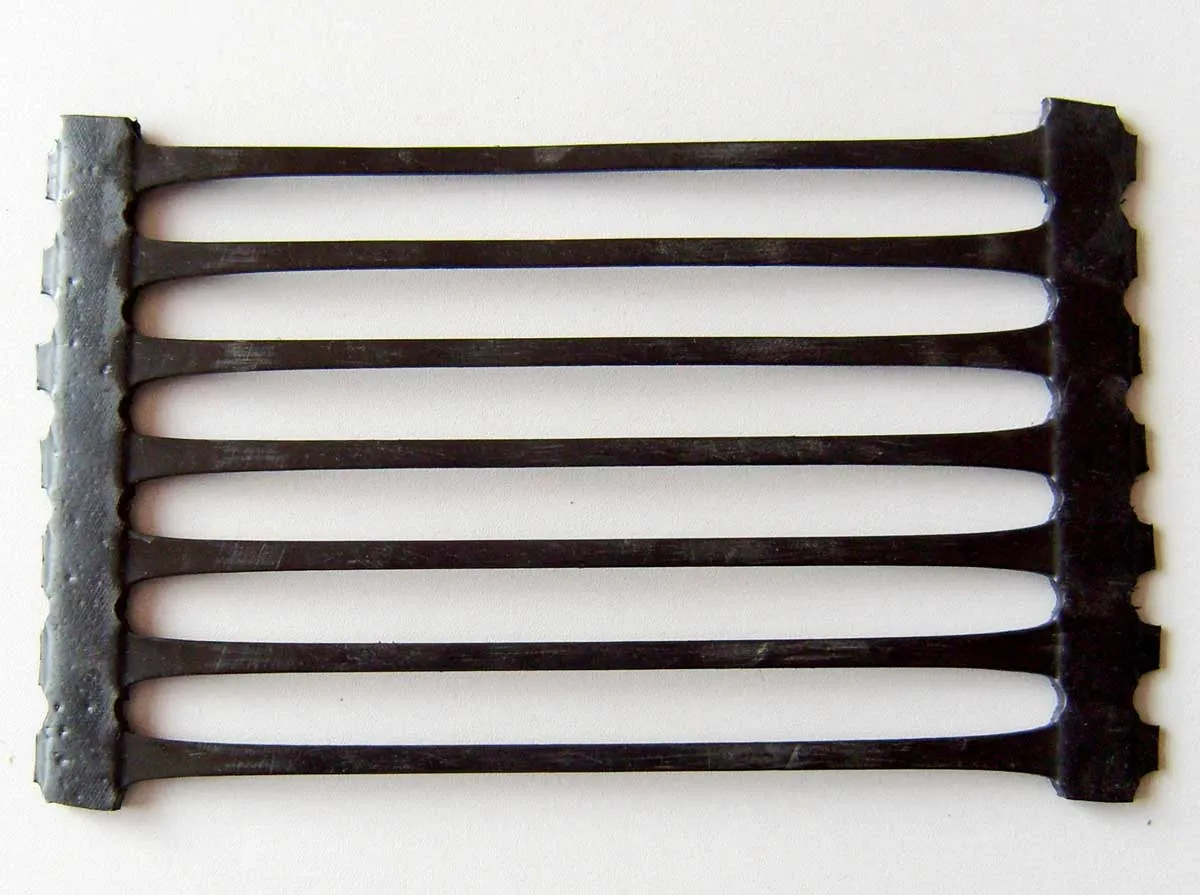
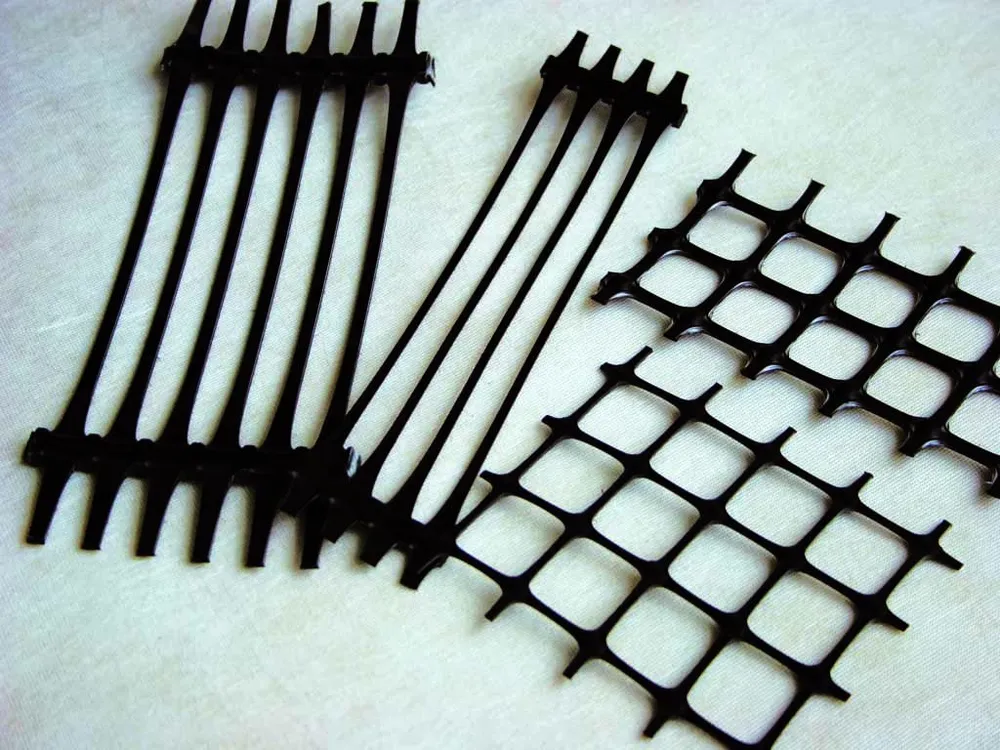
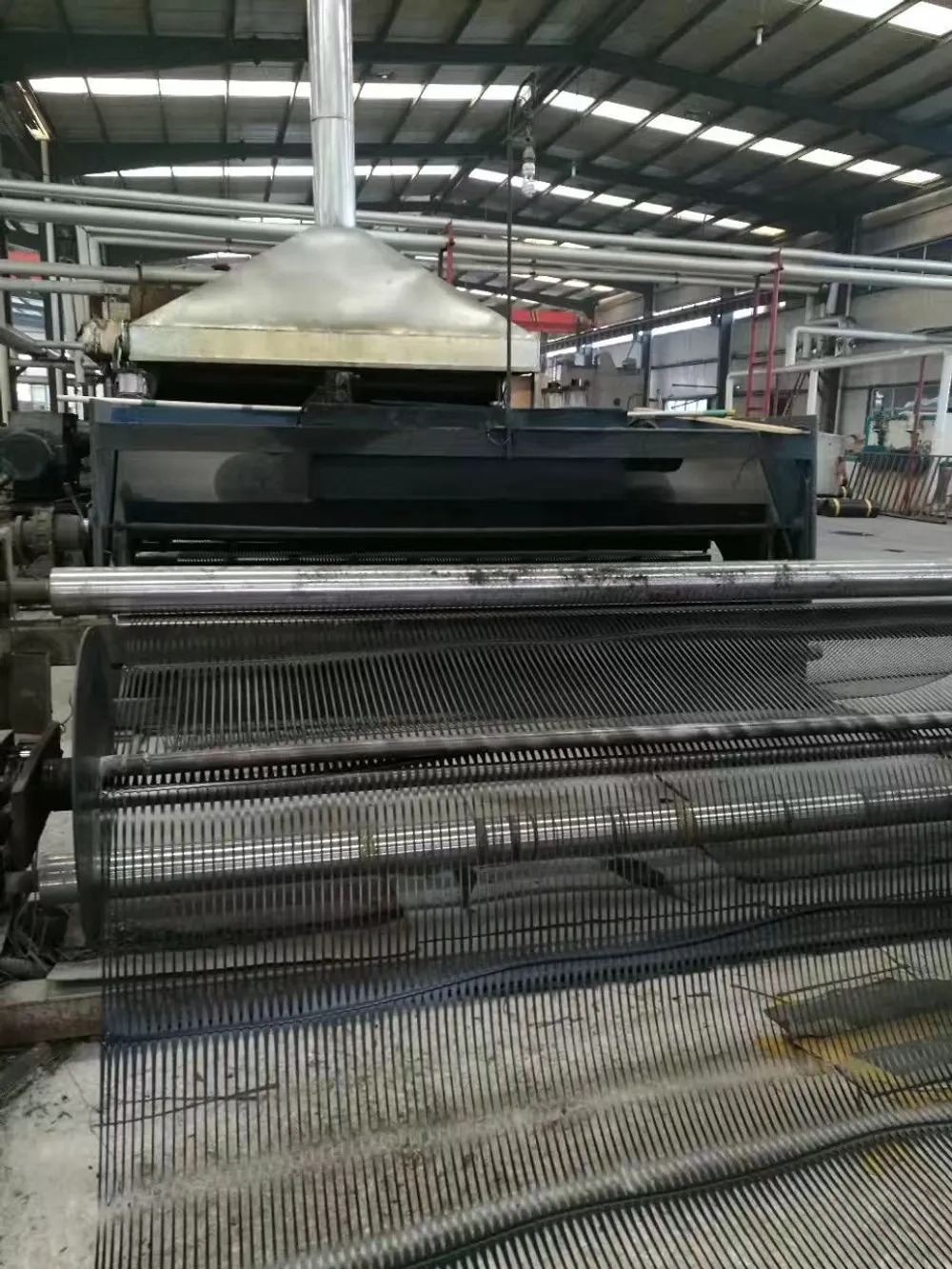
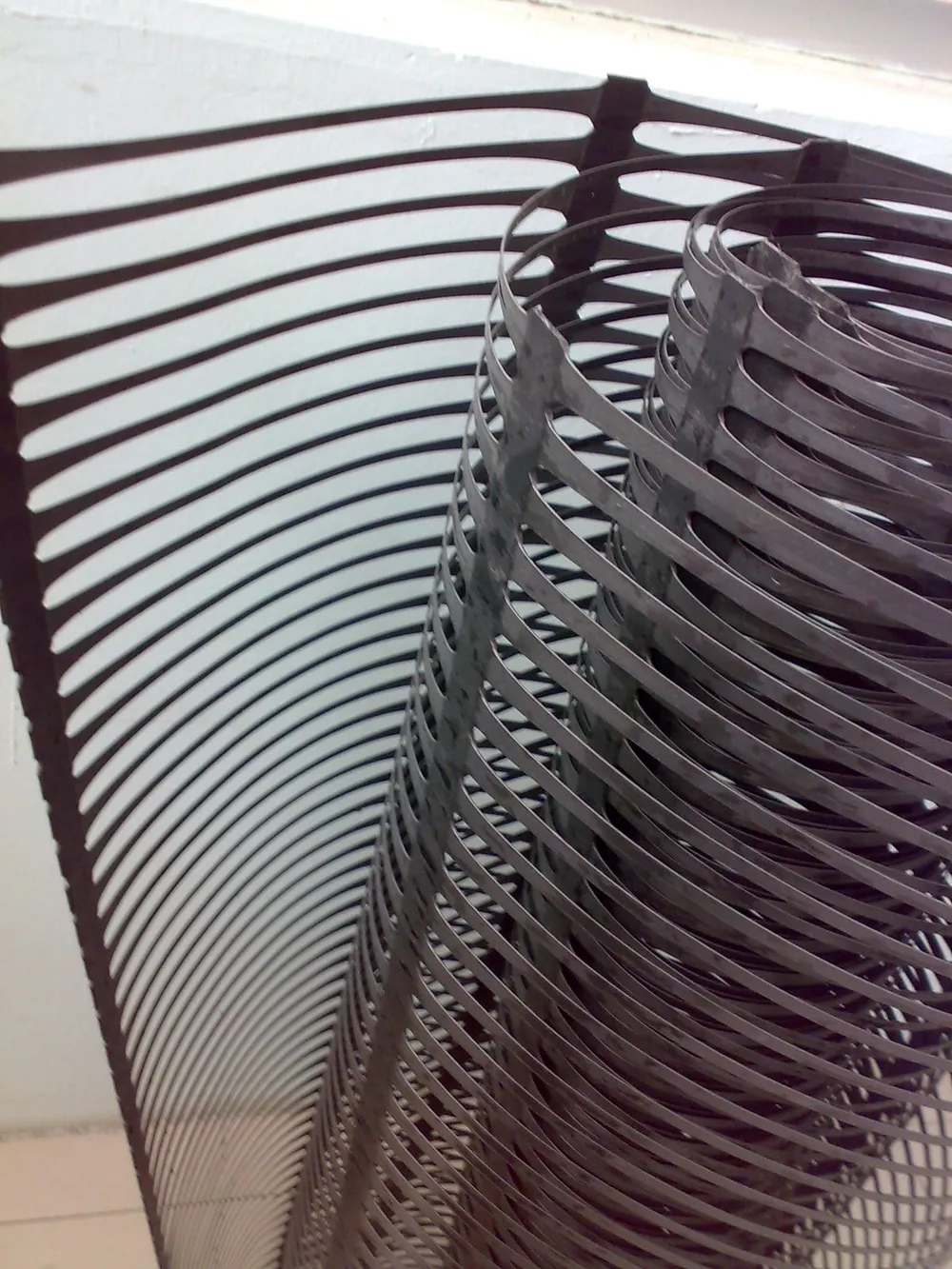
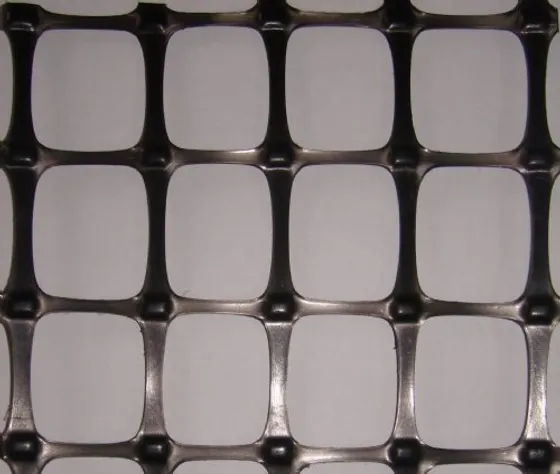
A uniaxial geogrid is a polymer sheet that has been extruded, punched with a regular pattern of holes and then drawn in the machine direction alone. Stretching the sheet one way aligns the molecular chains along the pull and stretches each hole into the long oval aperture that identifies the product. The result is a grid that carries a very high tensile load along the roll with little elongation and little long-term creep, and only a nominal load across it. That is exactly the load pattern in a reinforced soil mass, where every layer is pulling back against the earth pressure behind the face.
Geogrid for retaining wall and MSE wall reinforcement
The largest use is geogrid for retaining wall construction. Layers are laid horizontally into the compacted backfill and connected at the facing, tying the block or panel face to a much larger reinforced soil block behind it. Building a retaining wall with geogrid turns a facing that would topple under earth pressure into a gravity structure that resists it as a mass. The same principle governs an MSE wall geogrid layout behind precast panels, a segmental block wall, and a bridge abutment fill. Strength grade, layer spacing and embedment length are set by the design engineer for the specific wall height, backfill and surcharge — we supply the grade the design calls for, we do not set it.
PP and HDPE ranges
The polypropylene range runs 60, 80, 110, 150, 200, 260 and 300 kN/m, with tensile strength at 2% strain from 17 to 105 kN/m and yield elongation not more than 10%. Apertures are 530 × 14 mm across all grades, with rib and junction thickness increasing with strength. The HDPE range is punched from solid sheet and drawn to 60, 80, 120, 160, 180 and 200 kN/m, with 460 × 12 mm apertures, 11.5% elongation at ultimate load and junction efficiency of 90–93% to GRI GG2-87. HDPE is the range to specify where a long design life has to be demonstrated, because its durability data is published rather than assumed.
Creep and design life
Long-term behaviour, not short-term break load, decides how much of a grid a wall designer can actually use. On the HDPE range the creep reduction factor RF_cr measured to ASTM D5262 is 2.23 for a 114-year design life, the installation damage reduction factor RF_id to ASTM D5818 is 1.00, oxidation resistance to EN ISO 13438 is 100%, and 98% of strength is retained after UV exposure to ASTM D4355. Those figures belong together — the 2.23 only means anything alongside the 114-year design life it was derived for. A geogrid reinforced soil structure that has to stand for a century needs numbers of this kind in the submittal, and they are the reason the HDPE range exists next to the PP one.
Slopes and soft ground
Beyond walls, uniaxial grid is used for geogrid slope stabilization: layers built into a fill let a slope stand far steeper than its soil would allow unreinforced, saving footprint on a constrained site. Specifying geogrid for slopes also spreads load over soft or compressible subgrade under embankments, dykes and levees. Where the face has to be vegetated rather than hard-faced, the reinforcement is often combined with a surface layer such as our 3D reinforced geomat, and with woven geotextile or nonwoven geotextile for separation and drainage behind the reinforced zone. For toe protection and scour-prone bases, geobags are used alongside.
Installing geogrid, and how to buy
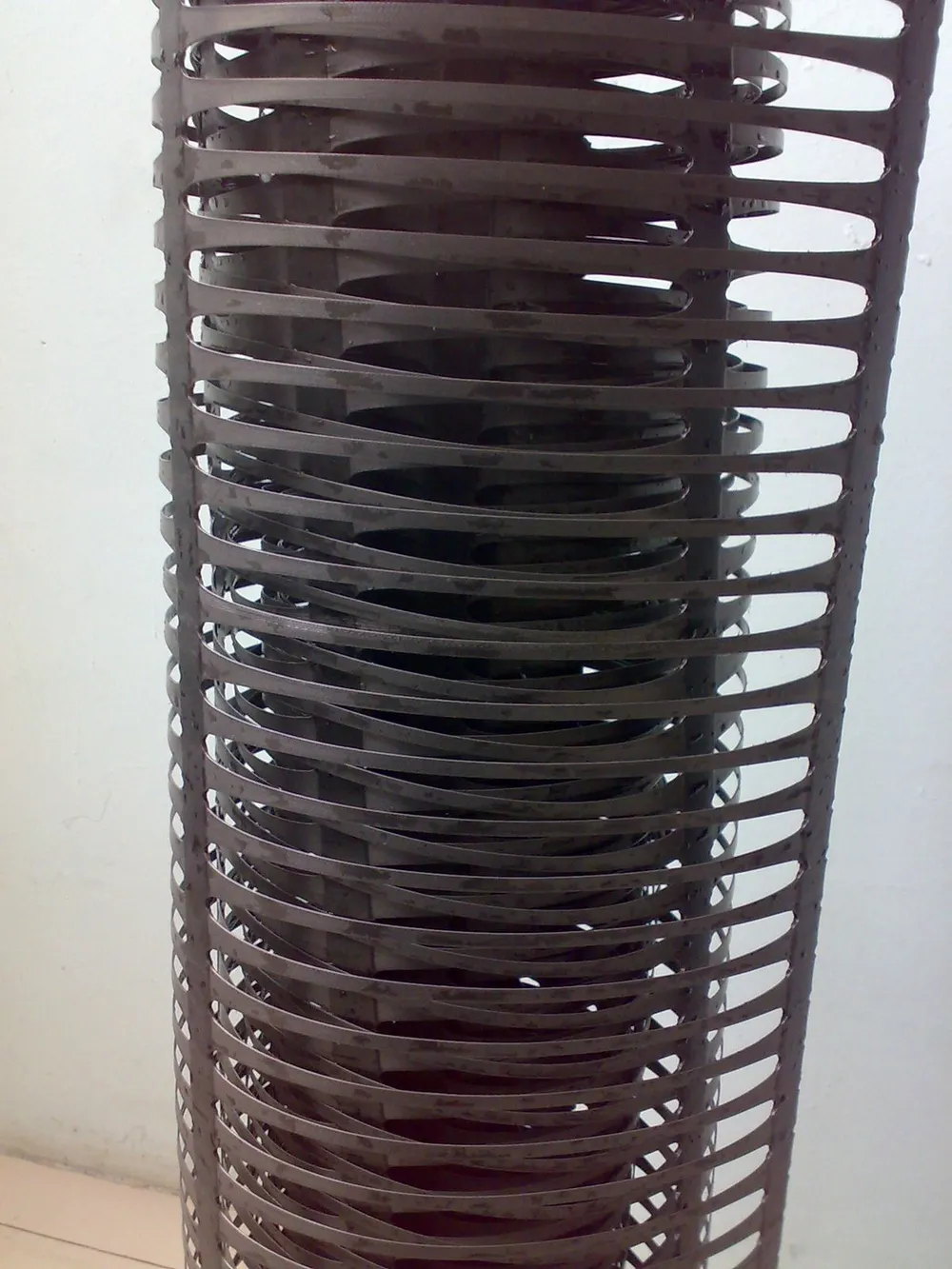
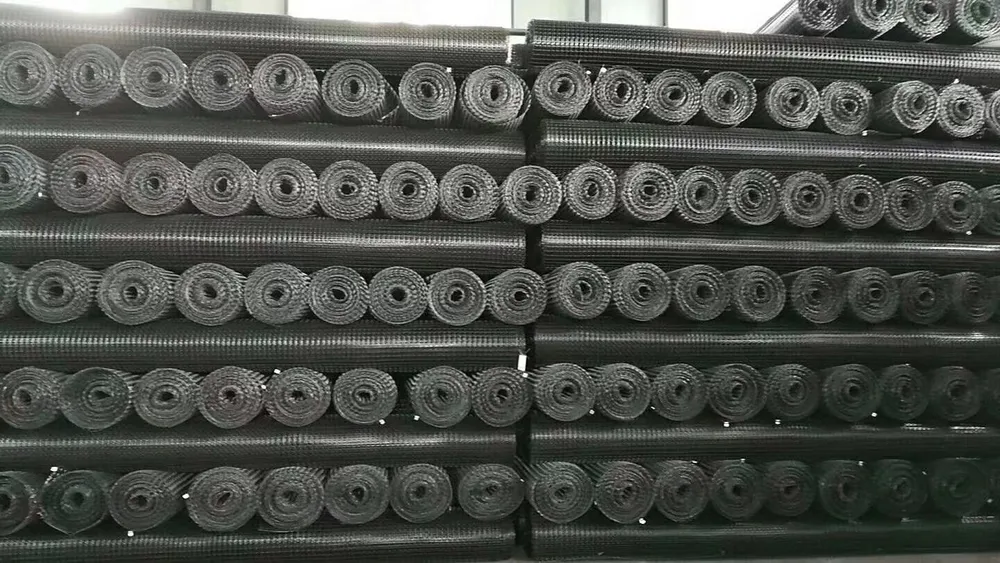
Geogrid retaining wall installation follows the same sequence on every job: level and compact the fill, roll the grid out with the machine direction running back into the fill and perpendicular to the face, connect or lap it at the facing course, then place and compact the next lift over it without turning tracked plant directly on the exposed grid. Crews installing geogrid should keep rolls out of prolonged sunlight before cover and never stretch a layer to correct alignment. For traffic platforms and haul roads where load comes from every direction, a biaxial geogrid is the correct choice instead; for asphalt overlays see fiberglass geogrid, and for high-strength flexible options polyester geogrid and steel-plastic geogrid. As the manufacturer we quote geogrid price ex-works per square metre against grade, width and quantity — send the strength grade and area and we will come back the same business day. The full range is on our products page.


 Geogrid