
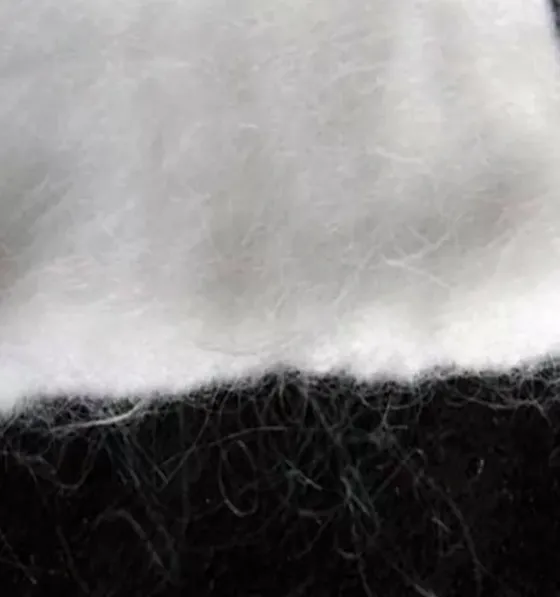
 Geotextile
 Nonwoven Geotextile
Needle-punched nonwoven geotextile fabric (PET / PP staple fiber) to AASHTO M288 — for filtration, separation, drainage and protection in French drains.
- AASHTO M288
- Needle-punched · ≥50% elong.
- Filtration · Drainage
SIGMA woven geotextile is a high-strength geotextile fabric made by weaving high-tenacity polypropylene (PP) and polyester (PET) yarns — monofilament, fibrillated or slit-film — into a dimensionally stable sheet. Built to the AASHTO M288 standard and classified by installation survivability (Class 1–3), this woven geotextile membrane delivers high grab, tear and CBR puncture strength for separation, stabilization and reinforcement under roads, driveways, car parks and embankments. Supplied as a black woven geotextile in stock weights and roll sizes, shipped direct from our factory.
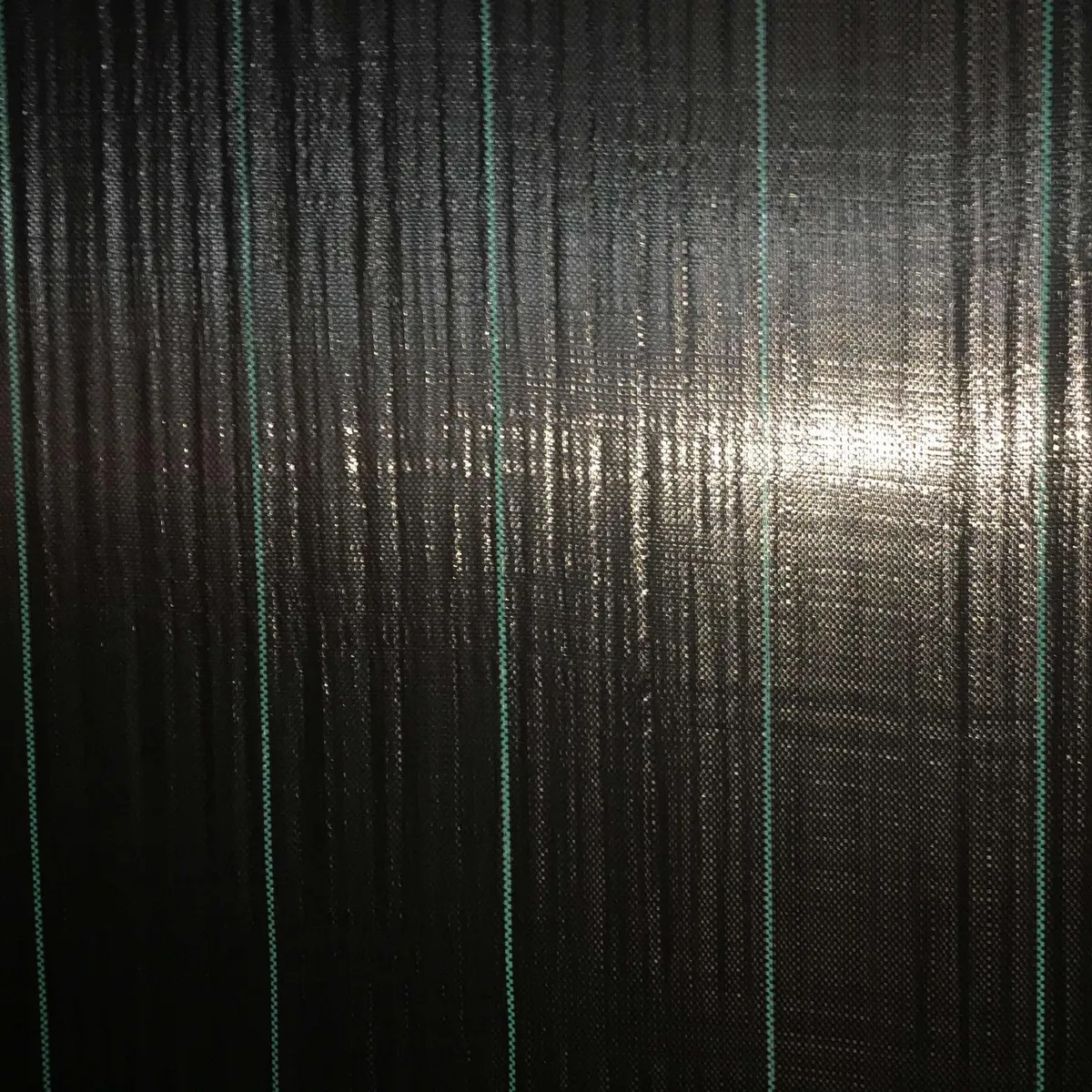
SIGMA woven geotextile fabric — also called woven geofabric or woven membrane in the trade — is manufactured by weaving high-tenacity polypropylene and polyester yarns — monofilament, fibrillated yarn or slit-film — into a strong, dimensionally stable sheet. The woven geotextile membrane is built to the AASHTO M288 standard, which grades a geotextile cloth by installation survivability: Class 1 for the most severe sites, Class 2 as the default, and Class 3 for the least severe. Because the woven fabric has low elongation (under 50%), it spreads load and keeps its strength under heavy traffic — exactly what a road or driveway base needs.
As a separation and stabilization geotextile, this woven geo fabric keeps aggregate from punching down into soft subgrade and stops fines from pumping up, so a thinner, longer-lasting base course can be built. It is the workhorse woven driveway fabric and woven stabilization fabric for unpaved roads, car parks and working platforms, and provides reinforcement under embankments and railway subgrade. High grab, trapezoid tear and CBR puncture strength let the high-strength woven geotextile survive rough placement over stone and irregular ground.
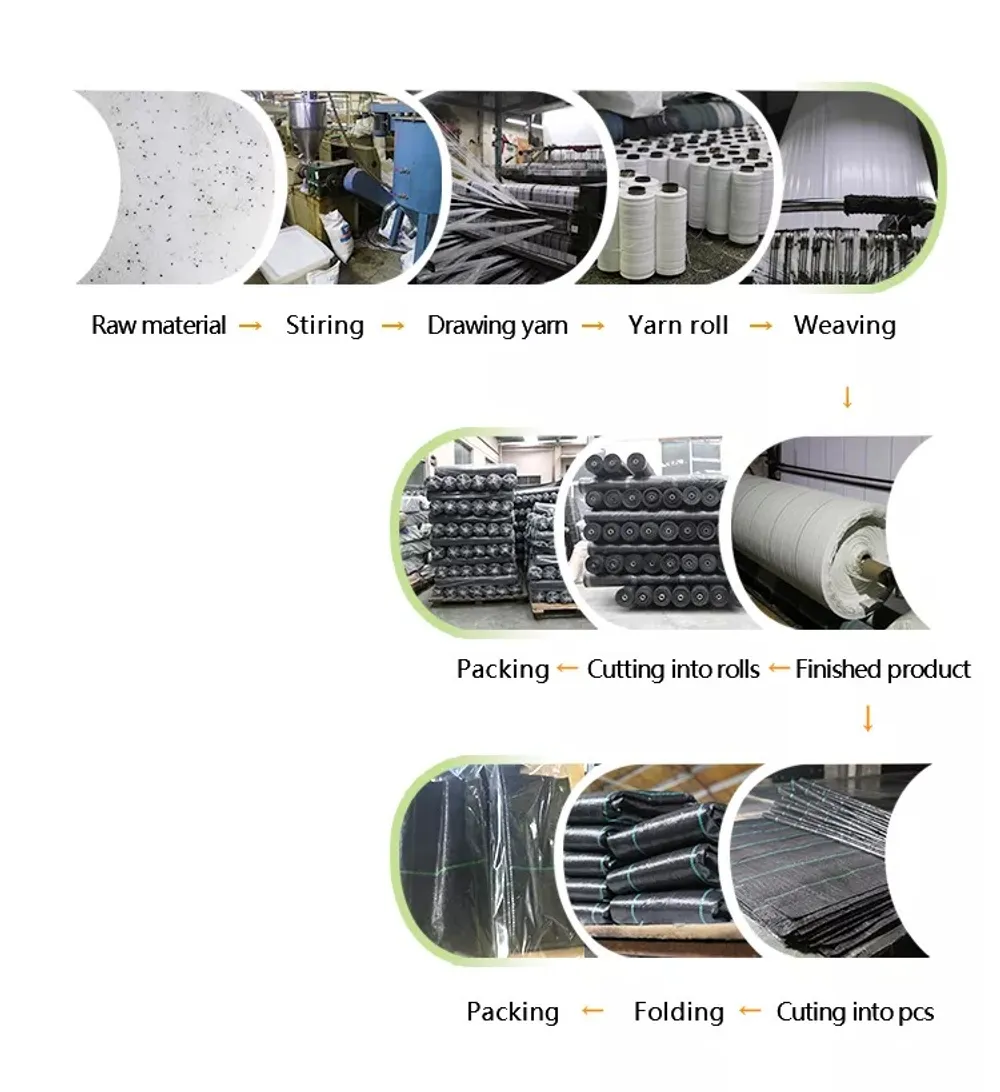
A woven geotextile fabric is built the traditional way — by weaving individual high-tenacity threads into sizeable sheets on a loom. Those threads can be fibrillated yarns, monofilaments or slit film, and the weave pattern and yarn type set the balance between tensile strength, opening size and water flow. A woven monofilament geotextile uses round filaments for a more open, permeable structure, while a slit-film weave is tighter and stronger in tension. The result is a dimensionally stable geotextile membrane that keeps high tensile strength under both dry and wet conditions, resists corrosion, acid and alkali, and will not rot or mildew.
AASHTO M288 specifies a woven geotextile by survivability Class (1, 2 or 3) rather than by weight, and commercial grades from roughly 120 gsm to 300 gsm map onto those classes. Buyers often shop by weight too — 4 oz, 6 oz and 8 oz geotextile fabric are common, and gsm and oz both describe mass per unit area. Tell us the application, subgrade CBR and aggregate, and we will recommend the right woven geotextile fabric for a driveway, road or reinforcement job. Where filtration is the priority — for example around a French drain — a needle-punched nonwoven geotextile is usually the better choice, since woven slit-film geotextiles are not permitted for subsurface drainage.
As a woven geotextile fabric for driveway and road sub-base builds, lay it directly on a graded subgrade with the roll running in the direction of traffic, then place and compact aggregate on top — never drive plant directly on the bare geotextile cloth. Overlap adjacent rolls by roughly 300–600 mm on firm ground and more on soft or wet subgrades; where loads are high or the seam must carry tension, sew the panels (sewn seam strength must be at least 90% of grab strength). Because the woven geo fabric has low elongation it does the load-spreading work as soon as the first lift is compacted, which is why it is the standard woven stabilization fabric and woven road fabric for haul roads and working platforms.
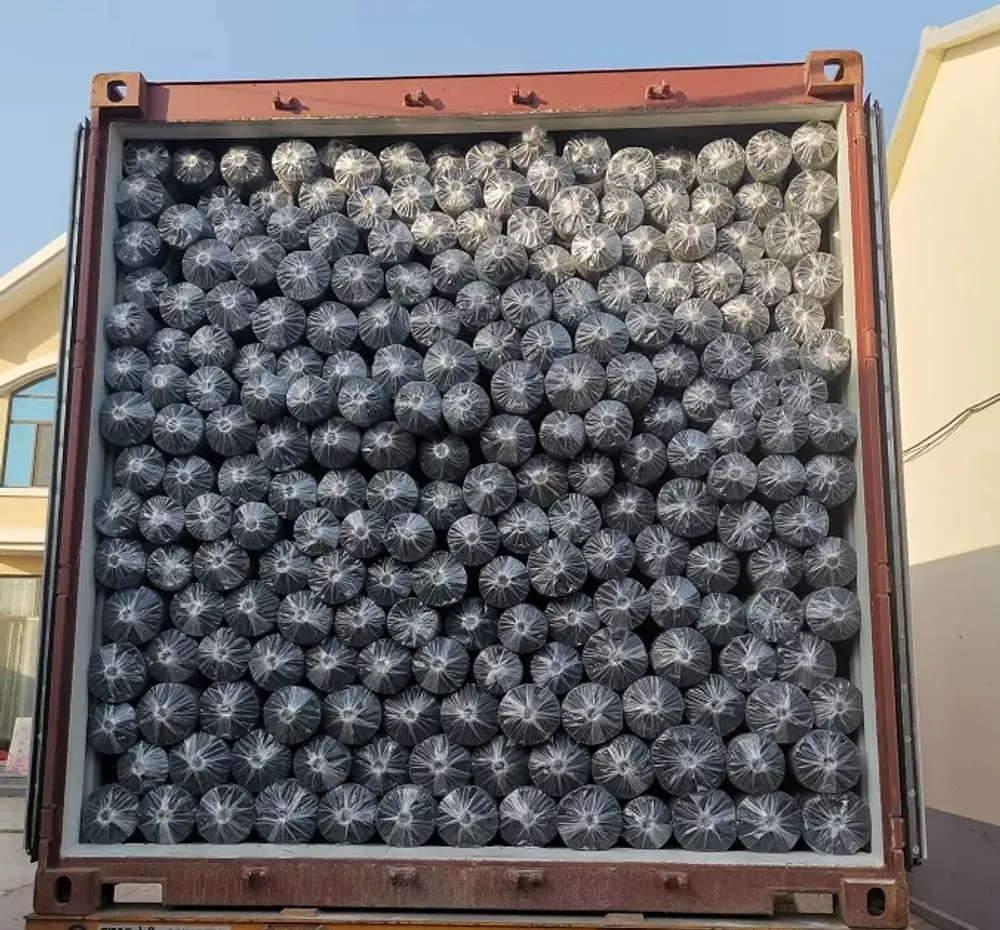
As the geotextile manufacturer we control yarn selection, weaving and finishing, so every batch of black woven geotextile is UV-stabilized and tested to AASHTO M288 minimum average roll values. We supply stock weights and roll sizes and can match the performance of common reference grades buyers ask for, then ship direct from our factory. The same woven fabric is also sewn into geobags for bank protection and dewatering. For a woven geotextile price, send us the class or gsm, total area in square metres and destination port and we will quote ex-works the same business day.
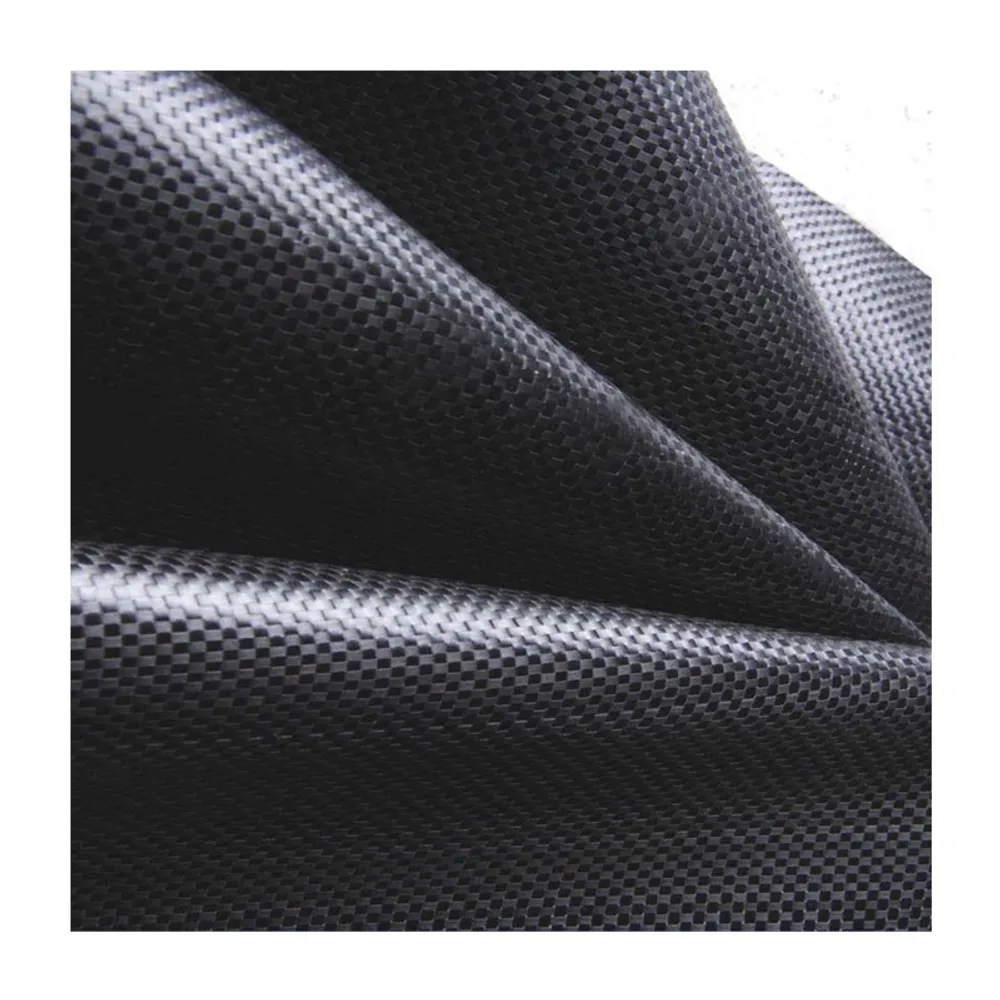
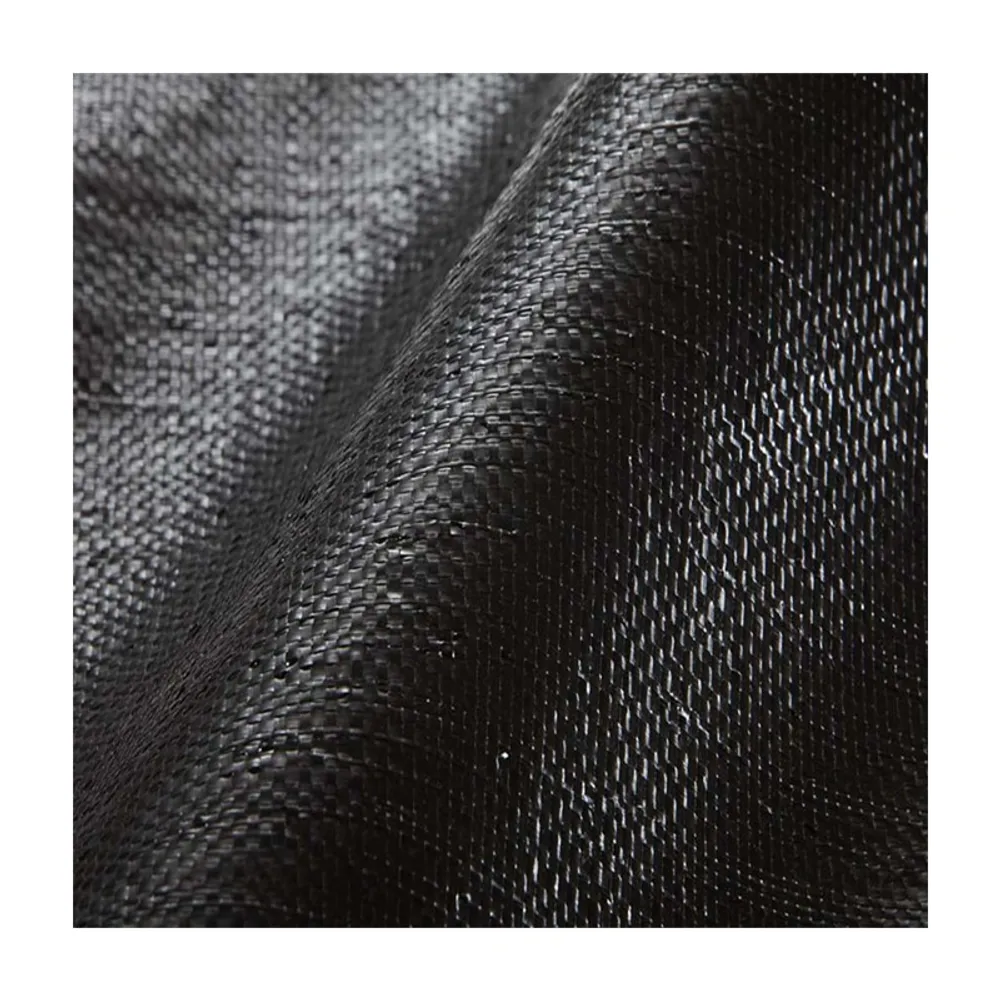
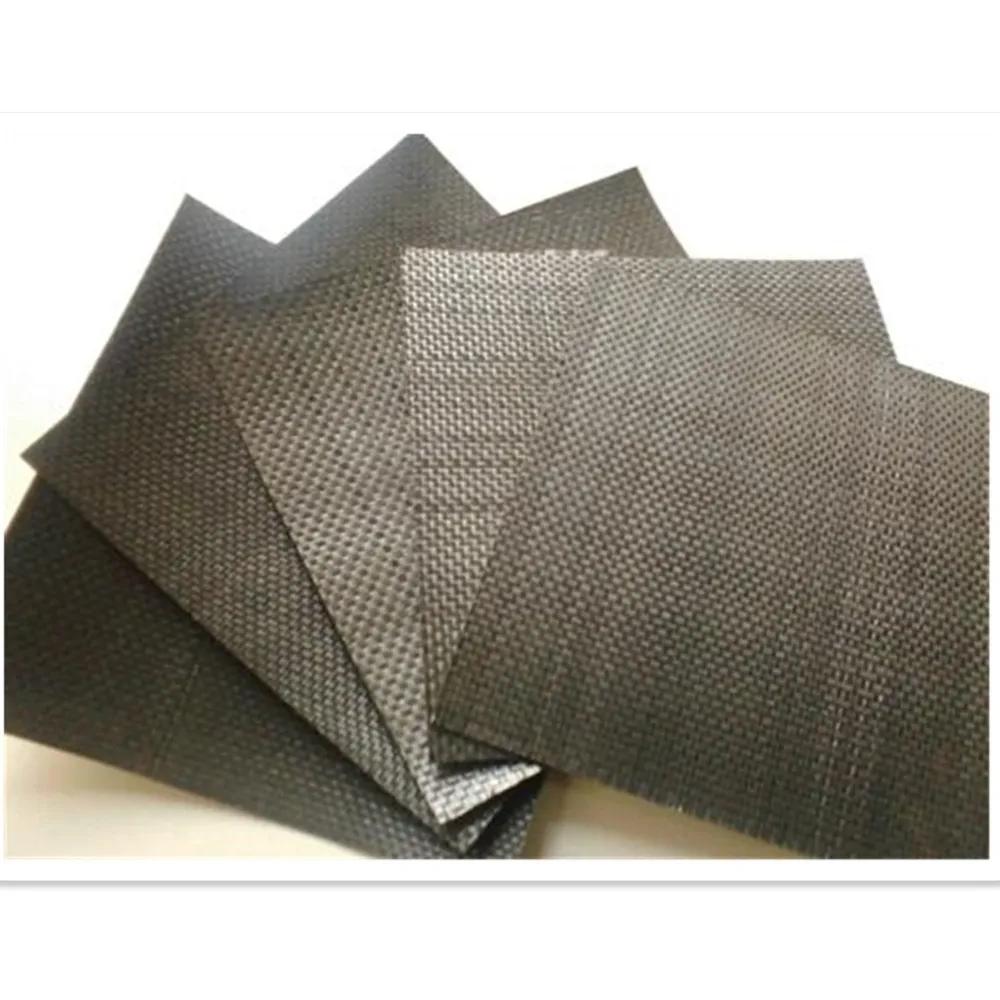
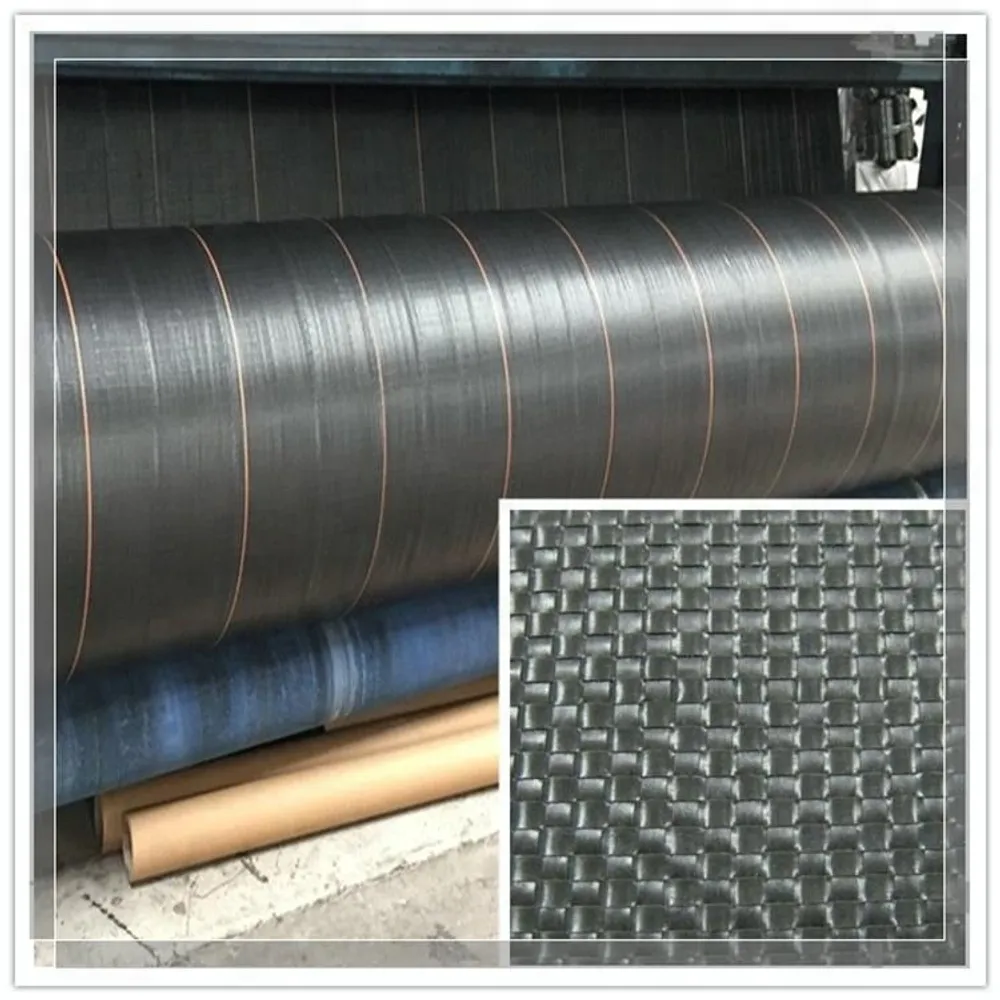
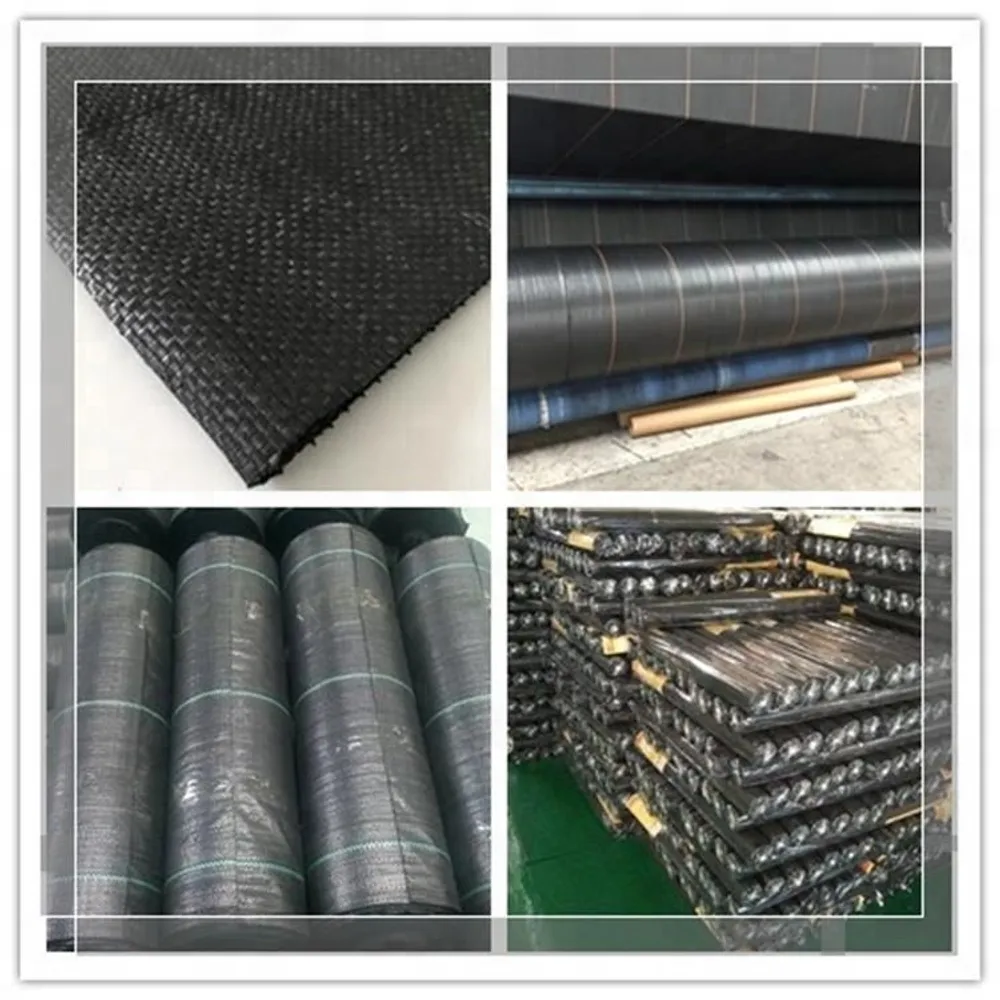
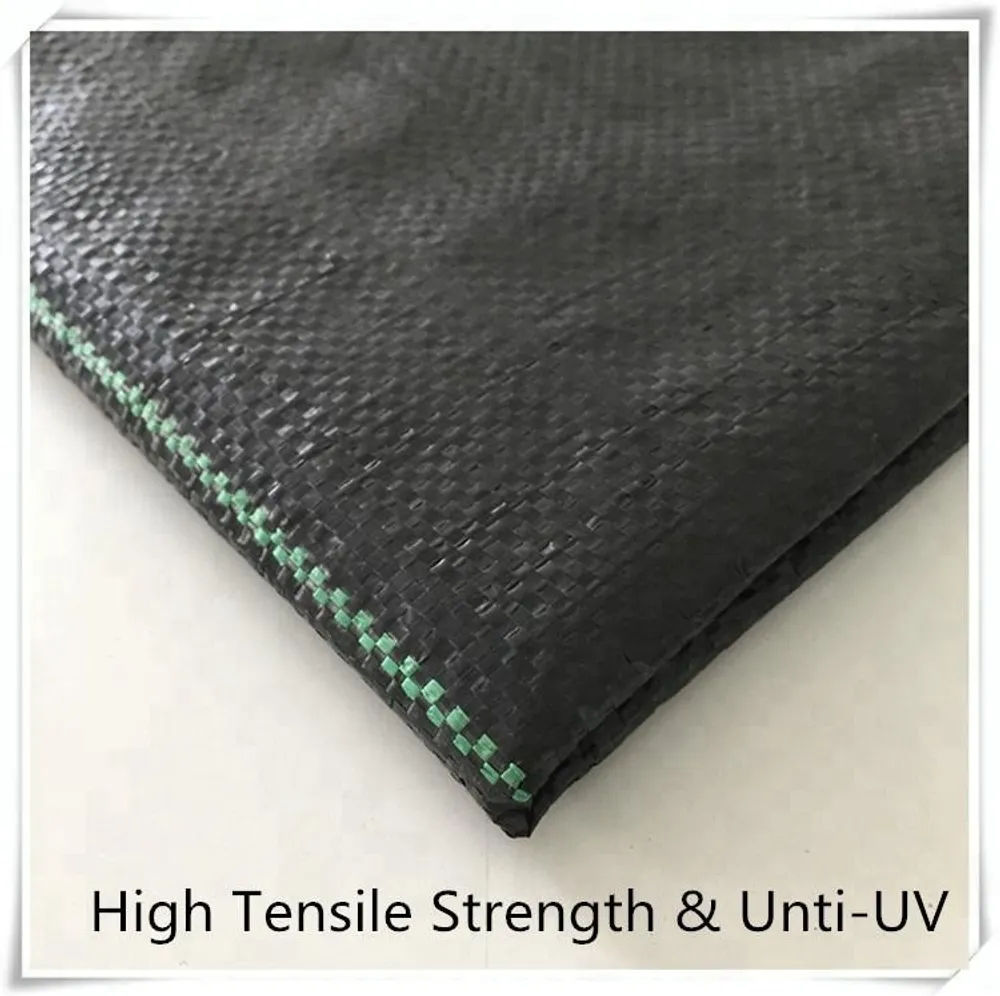
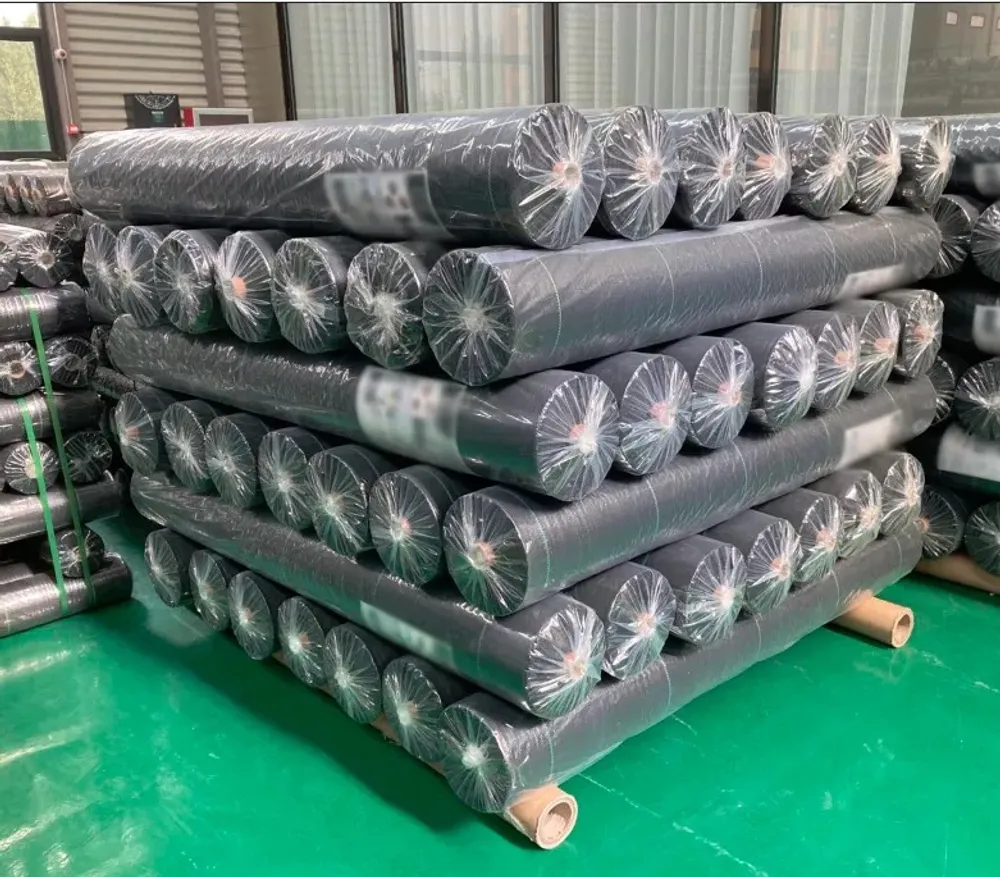
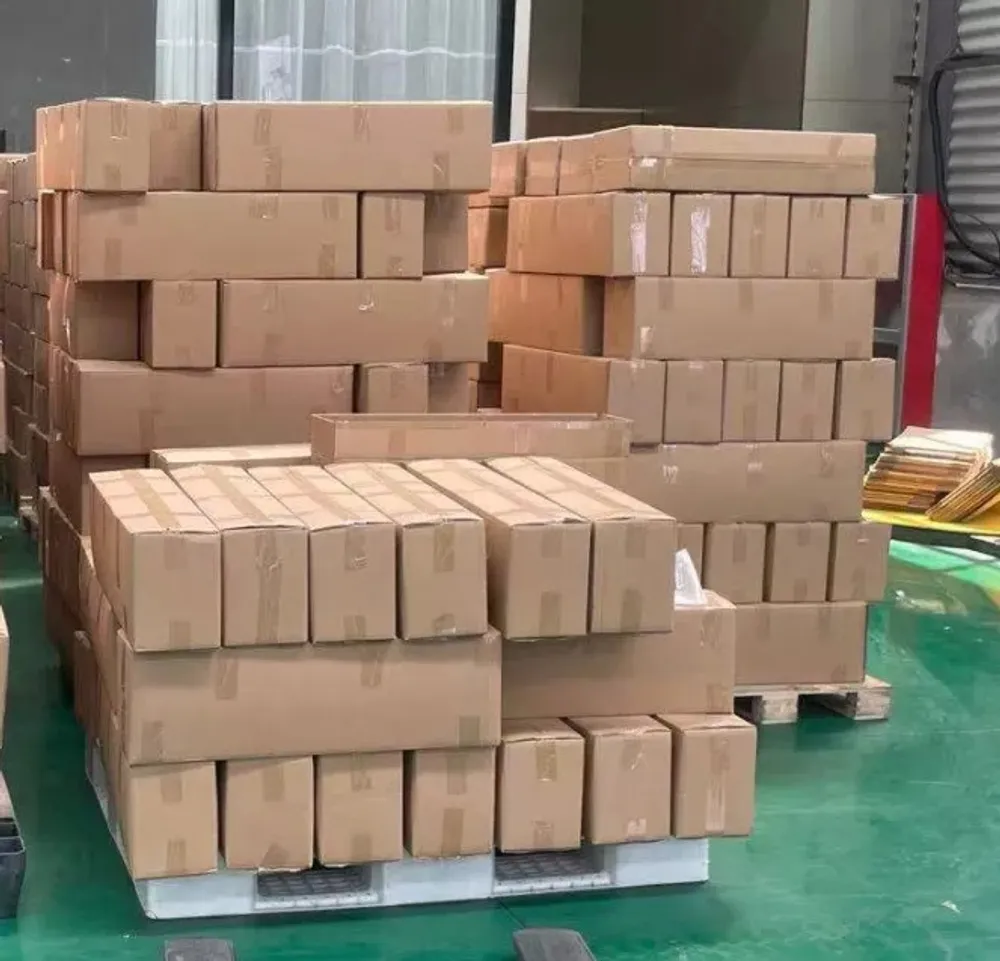
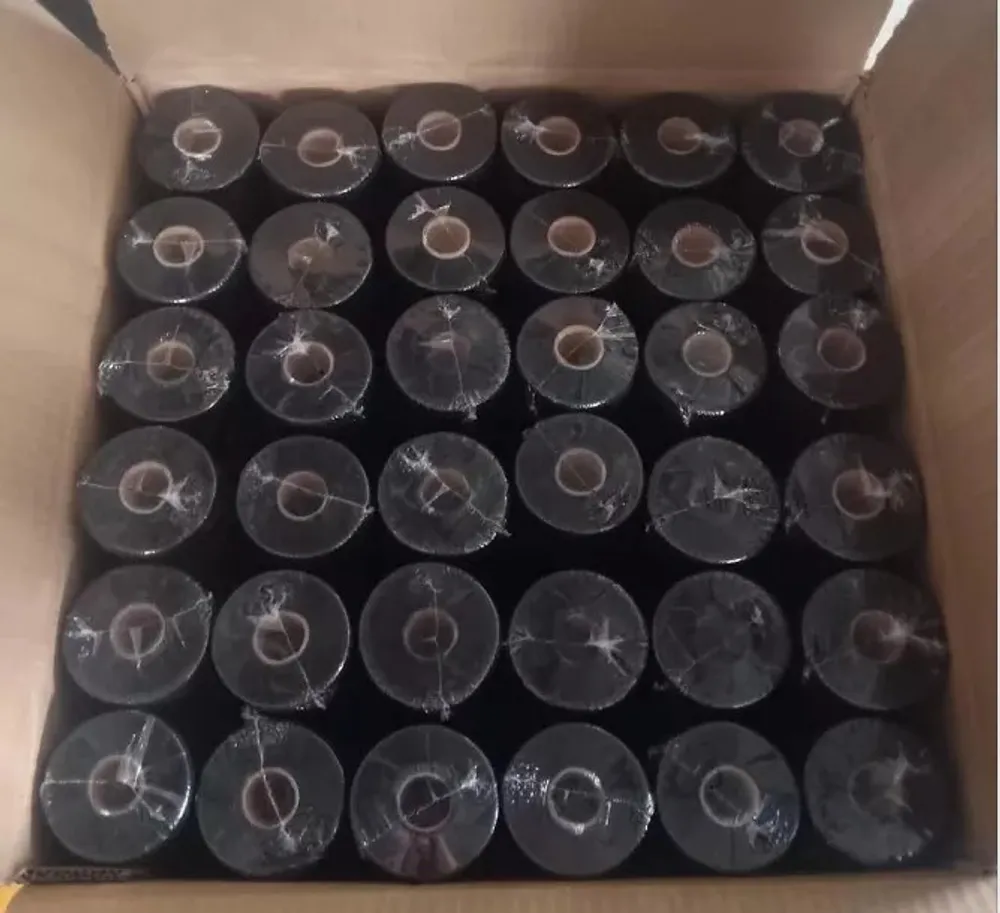
Woven Geotextile (PP / PET) — AASHTO M288 minimum average roll values (MARV), elongation <50%.
| Property | Test Method | Unit | Class 1 | Class 2 (default) | Class 3 |
|---|---|---|---|---|---|
| Grab strength (min.) | ASTM D4632 | N | 1400 | 1100 | 800 |
| Sewn seam strength (min.) | ASTM D4632 | N | 1260 | 990 | 720 |
| Trapezoid tear strength (min.) | ASTM D4533 | N | 500 | 400 | 300 |
| CBR puncture strength (min.) | ASTM D6241 | N | 2750 | 2200 | 1650 |
| Permittivity — separation (min.) | ASTM D4491 | sec⁻¹ | 0.02 | 0.02 | 0.02 |
| Apparent Opening Size (AOS) — separation (max. avg.) | ASTM D4751 | mm | 0.60 | 0.60 | 0.60 |
| UV stability — retained strength after 500 hr | ASTM D4355 | % | 50 | 50 | 50 |
Our woven geotextile fabric is manufactured to AASHTO M288, the standard specification for geosynthetics. AASHTO M288 grades a geotextile by installation survivability — Class 1 (most severe), Class 2 (default) and Class 3 (least severe) — with minimum average roll values for grab, sewn seam, trapezoid tear and CBR puncture strength as shown in the table above.
Class 2 is the default when no site-specific data is given; step up to Class 1 for severe placement over coarse, angular stone or soft subgrade, and down to Class 3 only for mild conditions. Commercial weights from about 120 gsm to 300 gsm map onto these classes. Send us the subgrade CBR, aggregate and traffic and we will recommend a class and weight.
It is a separation, stabilization and reinforcement geotextile — used as a woven driveway fabric under gravel driveways, beneath unpaved roads, car parks and working platforms, in embankment and railway subgrade reinforcement, and as permanent erosion control under riprap. For filtration around drains, choose a nonwoven geotextile instead.
Generally no. Woven slit-film geotextiles are not permitted for subsurface drainage (filtration) under AASHTO M288 because their open area and permittivity are low. For a French drain or filter application use our needle-punched nonwoven geotextile, which is sized by permittivity and apparent opening size to the soil gradation.
Woven geotextile price depends mainly on the survivability class / weight, roll width and order volume. As a manufacturer we quote ex-works per square metre or per roll; send us the class or gsm, total area and destination port and we will return a woven geotextile price the same business day.
A woven monofilament geotextile is woven from round filaments, giving a more open, permeable cloth with better water flow; a slit-film woven geotextile uses flat tape yarns for a tighter, higher-tension fabric used mainly for separation and reinforcement. Both are made to AASHTO M288, but note that woven slit-film geotextiles are not permitted for subsurface drainage. Tell us whether you need filtration or load-spreading and we will recommend the right weave.
Both gsm (grams per square metre) and oz (ounces per square yard) describe the fabric mass per unit area — buyers often ask for 4 oz, 6 oz or 8 oz geotextile fabric, while engineers usually specify gsm. AASHTO M288 actually governs by survivability class rather than by mass, so we map a requested weight (roughly 120–300 gsm for woven grades) to the matching class. Send the weight you have in mind and the application and we will confirm an equivalent class and stock grade.
Roll width and length are order-specific and are not governed by AASHTO M288 — contact us for current stock sizes. As the manufacturer we ship full containers worldwide and can advise minimum order quantity and lead time once we know the class or gsm, total square metres and destination port. Quotes are returned the same business day.
Tell us quantity, destination port, and any questions — we reply within one business day.
Geotextile Needle-punched nonwoven geotextile fabric (PET / PP staple fiber) to AASHTO M288 — for filtration, separation, drainage and protection in French drains.
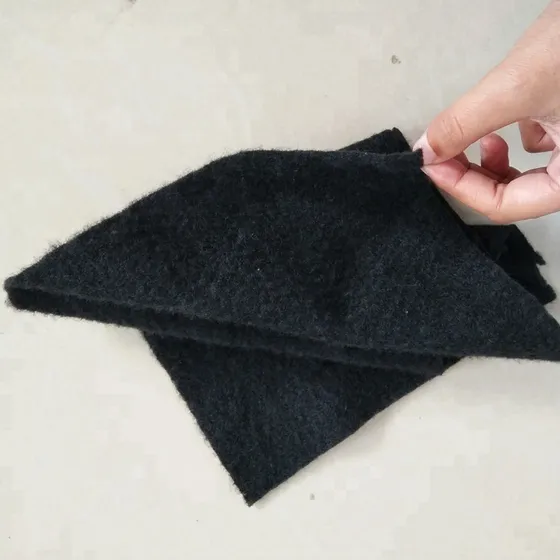 Geotextile
 Polypropylene (PP) geotextile to AASHTO M288 — needle-punched PP nonwoven for filtration, separation, drainage and protection, plus woven PP grades.
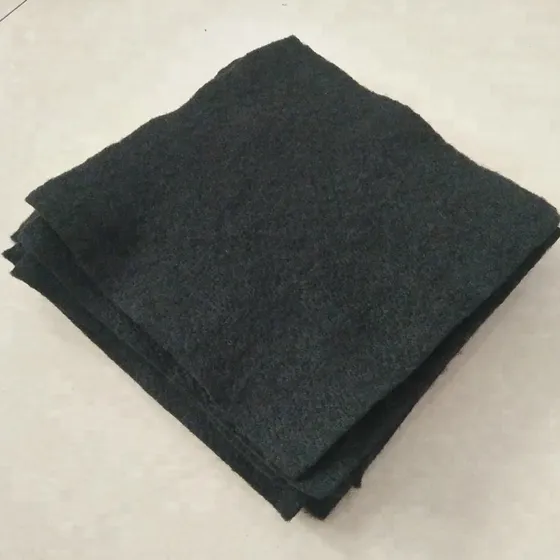 Geotextile
 PET needle-punched nonwoven geotextile to AASHTO M288 — staple-fiber polyester fabric for filtration, separation, drainage and protection on subgrades.