
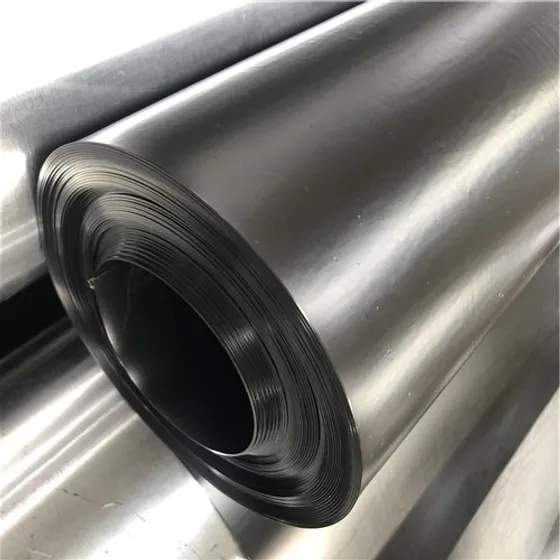
 Геомембраны
 Геомембрана HDPE (ПНД)
Гладкая геомембрана HDPE (ПНД) по GRI-GM13 — водонепроницаемая полиэтиленовая пленка для пруда, полигона и резервуара, толщина 0,75–3,0 мм.
- GRI-GM13
- 0,75–3,0 мм (30–120 mil)
- Гладкая · чёрная
Как варить геомембрану HDPE горячим клином и экструзией и как доказать качество шва: воздушное, вакуумное и разрушающее испытания на отрыв и сдвиг.
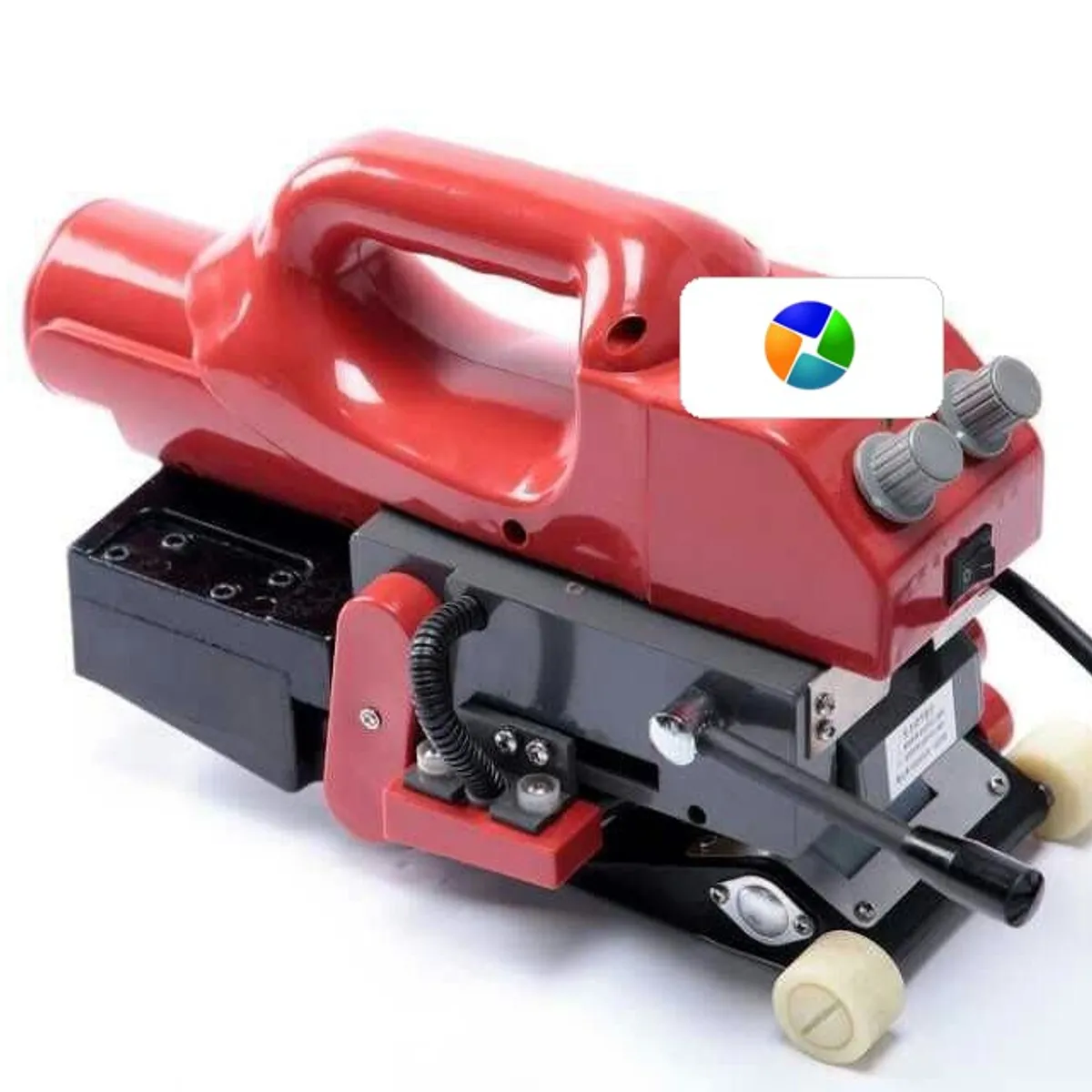
Геомембранный экран настолько хорош, насколько хороши его швы — само полотно течёт крайне редко, течёт стык. В обычной практике применяют два способа термической сварки, и монтажник не должен по умолчанию тянуть один и тот же метод на каждый шов. Сварка геомембраны горячим клином прогоняет нагретый металлический клин между двумя перехлёстнутыми полотнами, а идущие следом ролики прижимают их друг к другу, сплавляя полиэтилен в непрерывный двухдорожечный шов с несваренным воздушным каналом посередине — именно этот канал потом позволяет испытать шов. Сварка горячим клином — рабочая лошадка для длинных прямых производственных швов: она быстрая, стабильно одинаковая от полотна к полотну, а правильно настроенный сварочный аппарат для геомембран держит температуру и скорость в узком диапазоне, как только его откалибровали на пробном шве. Экструзионная сварка геомембраны вместо этого подаёт свежий смолистый HDPE через ручной экструдер, который укладывает валик расплавленного полимера прямо на стык, сплавляя его с обоими полотнами при контакте. Она медленнее и сильнее зависит от оператора, но остаётся единственным практичным методом вокруг проходок, ремонтных заплат, Т-образных стыков, где сходятся три шва, и коротких или изогнутых участков, где сварочная машина не может идти по прямой. На большинстве объектов используют оба метода: горячий клин — для полей, экструзию — для деталей. Толщина полотна и то, гладкий рулон или текстурированная геомембрана, — оба фактора меняют температуру клина и скорость протяжки, которые подбирает пробная сварка: лист 1,5 мм текстурированный не сварится на тех же настройках, что гладкое полотно 0,75 мм.
Укладка геомембраны начинается задолго до включения сварочного аппарата — это первое, что понимает любой монтажник, разбирающийся в процедуре сварки HDPE-полотна. Полотна перехлёстывают на заданную ширину (обычно 75–100 мм), зону нахлеста геомембраны очищают от пыли, влаги и шлифовальной пыли, а самому полотну дают время прогреться до рабочей температуры — сварка слишком холодного или перегретого на солнце полотна одинаково портит шов. Каждая бригада в начале смены и после любого изменения условий делает пробную сварку, вырезает из неё образцы на отрыв и на сдвиг прямо на месте, чтобы подтвердить температуру клина, скорость протяжки и усилие роликов до того, как будет сварен хоть один погонный метр производственного шва. Кромки полотна шлифуют или обрабатывают щёткой там, где заметно окисление или загрязнение, швы варят с достаточным непрерывным нахлестом под будущий разрушающий образец, а участки с провисанием (рыбьи рты, складки) вырезают, перекрывают и заваривают экструзионным валиком, а не проглаживают плоско. Ничего из этого не опционально, если шов должен пройти воздушное, вакуумное испытание и испытание на отрыв — небрежная подготовка проявится как проваленный тест, а не как чуть более слабый шов.
Каждый погонный метр двухдорожечного шва, сваренного горячим клином, проходит испытание давлением воздуха (воздушным каналом) прежде, чем бригада двинется дальше, — это основная неразрушающая проверка, и она достаточно быстрая, чтобы идти непрерывно. Оба конца участка шва герметизируют, в несваренный канал между двумя дорожками вводят иглу, канал нагнетают примерно до 200–250 кПа (в зависимости от сварочного аппарата и ширины шва) и держат под давлением. Если манометр держит давление заданное время — обычно от двух до пяти минут — с допустимым небольшим падением, шов считается принятым. Падение давления означает открытый путь где-то в канале: пропуск, холодную точку, зажатый в шве мусор. Испытание геомембраны таким способом точно указывает длину проблемного участка, но не конкретный дефект, поэтому бригада переваривает этот участок экструзией и повторяет испытание перед засыпкой. Воздушное испытание работает только на двухдорожечных швах горячего клина с целым каналом — его нельзя применить на однодорожечных швах, экструзионных угловых швах или там, где канал нарушен заплатой или проходкой.
У экструзионных швов, Т-образных стыков, заплат и однодорожечных швов нет воздушного канала для нагнетания, поэтому их проверяют вакуумной камерой. Зону шва смачивают мыльным раствором, сверху ставят прозрачную вакуумную камеру с герметизирующей прокладкой по краю, прижимают её к полотну и откачивают до заданного отрицательного давления — обычно около 35 кПа (примерно 5 psi) — и держат около 10–15 секунд. Течь в шве проявляется мыльными пузырями под вакуумом, видимыми прямо через крышку камеры; чистый шов пузырей не даёт. Вакуумная проверка медленнее воздушной, поскольку идёт участок за участком по каждому шву, недоступному для воздушного метода, но это единственный надёжный неразрушающий способ подтвердить швы вокруг проходок, патрубков, углов и ремонтных заплат — именно тех мест, где полотно статистически чаще всего течёт, потому что геометрия вынуждает варить вручную, а не машиной.
Неразрушающие испытания подтверждают непрерывность шва, а не его прочность — поэтому бригады вырезают разрушающие образцы из готовых производственных швов с заданным интервалом (часто каждые 150–500 м шва, по проекту) и отправляют купоны на отрыв и сдвиг в полевой или лабораторный пресс. Испытание на отрыв растягивает два полотна по кромке шва и проверяет, рвётся ли сначала само полотно (разрыв по материалу — целевой результат), а не расходится ровно по линии сварки. Испытание на сдвиг растягивает шов поперёк, чтобы подтвердить, что прочность соединения держит нагрузку. Это и есть практическая разница между разрушающим и неразрушающим испытанием шва: неразрушающие методы (воздух, вакуум) проверяют непрерывность каждого метра шва, не разрезая его; разрушающие проверяют прочность в контрольных точках и расходуют образец, поэтому их делают с интервалом, а не по всей длине, и каждое место выреза заплатывают и повторно проверяют вакуумной камерой перед приёмкой. Помимо самого шва, повторяющиеся дефекты монтажа геомембраны, из-за которых заваливаются эти испытания, — это натяжение от слишком туго уложенного полотна без запаса на температурную усадку, складки, заваренные плоско вместо вырезки и заплаты, загрязнение, попавшее в линию шва, и сварка вне температурного окна, заданного пробной сваркой. По краю полотна правильно выполненная анкерная траншея для геомембраны — как правило глубиной 300 мм, с полотном, поднятым по откосу и заведённым в траншею перед засыпкой, — фиксирует полотно под натяжением и не даёт всей конструкции сползти сверху, вместо отказа по шву. Сложите вместе процедуру сварки, воздушные и вакуумные испытания на каждом стыке и выборочные разрушающие образцы — и получите обнаружение протечек геомембраны, встроенное в сам процесс монтажа, а не найденное после того, как пруд или карта уже заполнены.
Бесплатный гид по выбору геосинтетики и спецификациям
Марки материала, подбор толщины/плотности и диапазоны цен для вашего проекта — на вашу почту.
ASTM D6392 задаёт прочность на отрыв и сдвиг плюс воздушное испытание канала для термически сваренных швов HDPE; ASTM D5641 — вакуумную камеру; ASTM D4437 — общую практику неразрушающего контроля уложенных геомембран. Проектные спецификации обычно ссылаются прямо на эти стандарты для критериев приёмки.
Нет. Воздушное испытание требует несваренного канала между двумя дорожками горячего клина. У экструзионных угловых швов, однодорожечных швов, заплат и Т-стыков канала нет, поэтому их проверяют вакуумной камерой.
Обычно каждые 150–500 м готового шва либо по проектной спецификации — чаще у проходок и ремонтов. Каждое место выреза заплатывают и проверяют вакуумной камерой перед приёмкой, поэтому разрушающий контроль никогда не оставляет непроверенный участок.
Загрязнение в зоне нахлеста (пыль, влага, шлифовальная пыль), сварка вне температурно-скоростного окна, заданного пробной сваркой дня, и складки или «рыбьи рты», заваренные плоско вместо вырезки и экструзионной заплаты.
Геомембраны Гладкая геомембрана HDPE (ПНД) по GRI-GM13 — водонепроницаемая полиэтиленовая пленка для пруда, полигона и резервуара, толщина 0,75–3,0 мм.
 Оборудование для монтажа
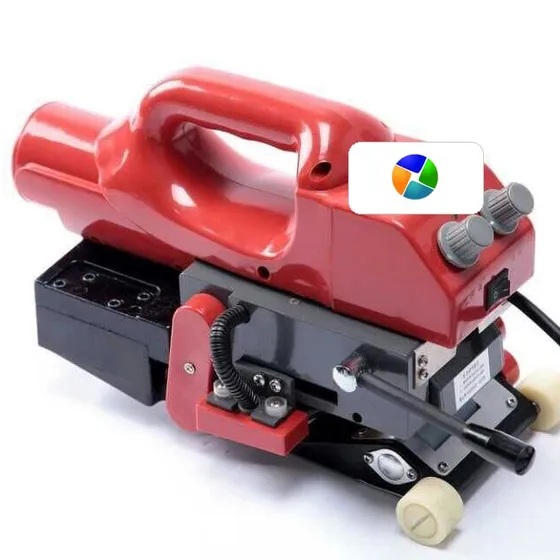
 Сварочный аппарат для геомембран (аппарат горячего клина) для монтажа HDPE-облицовки.
Сообщите ваше применение и количество — наша команда отвечает в течение одного рабочего дня.