
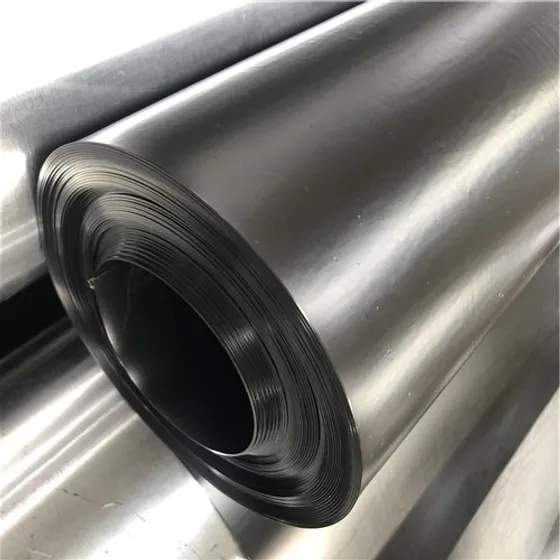
 Geomembrane
 HDPE Geomembrane
Smooth HDPE geomembrane liner to GRI-GM13 — an impermeable high density polyethylene pond liner for landfill, water and containment, 0.75–3.0 mm.
- GRI-GM13
- 0.75–3.0 mm (30–120 mil)
- Smooth · Black
How to size a pond liner from your pond's dimensions and depth, plus what actually drives pond liner cost.
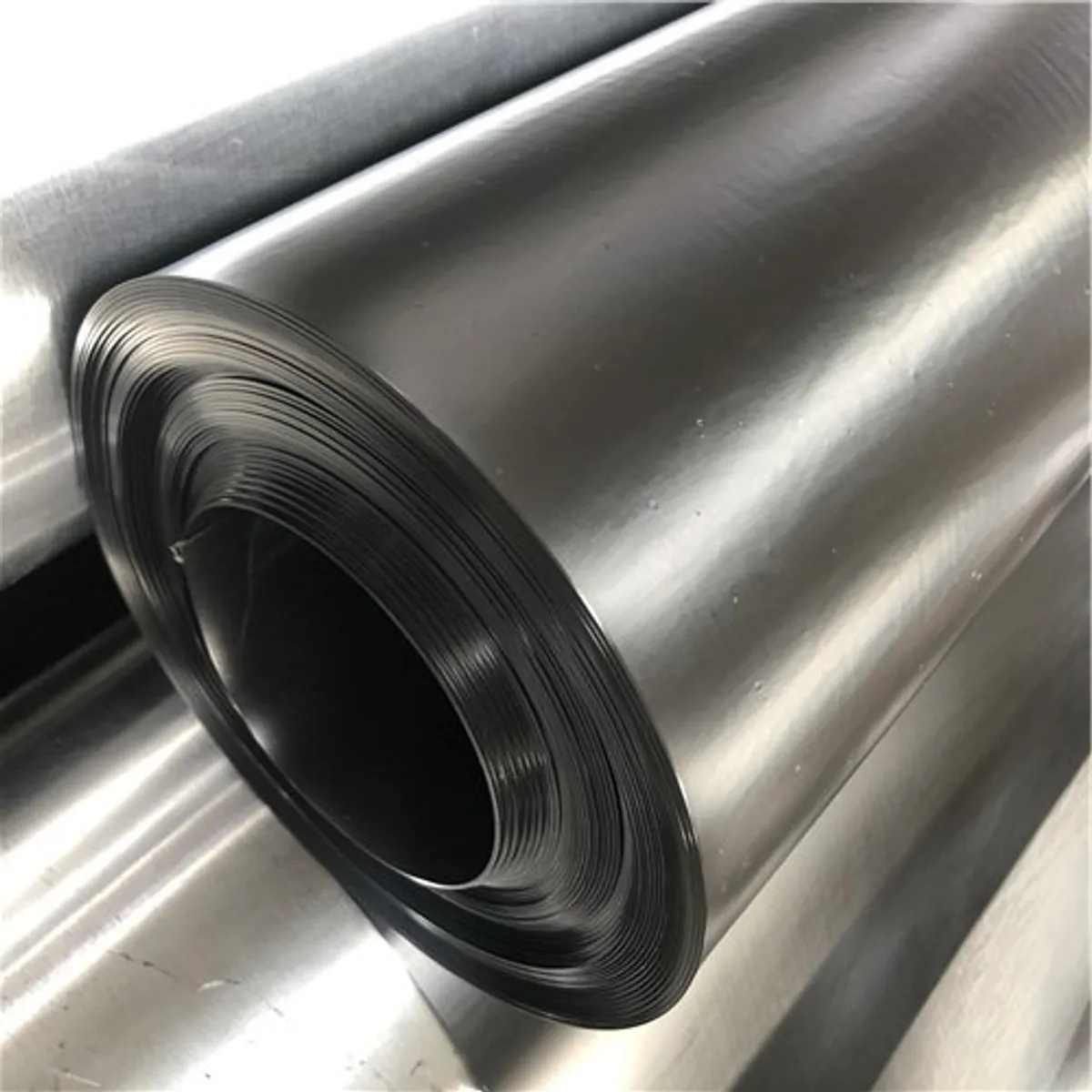
Every pond liner quote starts with two numbers: length and width of flat sheet, not the footprint of the water. Add twice the maximum depth to each dimension for the sheet that has to run down the walls and back up, then add roughly 0.5 m per side for anchoring in a perimeter trench. So: liner length = pond length + (2 × depth) + 1 m, and liner width = pond width + (2 × depth) + 1 m. A 10 × 6 m pond at 1.5 m deep needs a 14 × 10 m sheet — 140 m² of material, not the 60 m² the water surface suggests.
The same formula covers whatever shape you're working from. A 20x20 pond liner or 30x30 pond liner at 1 m deep needs roughly 22 × 22 m and 32 × 32 m of sheet; a 25x25 or 40x40 footprint scales the same way. Rectangular ponds — 15x20, 20x30 — just apply the formula to each side separately rather than assuming a square. For a round pond liner, use the diameter in place of length and width in the same formula, then have the sheet cut and edge-welded into a circle; a square pond liner needs no extra allowance beyond the depth and anchor trench. On a genuine 1 acre pond liner cost calculation, area alone is a poor proxy — a shallow 1-acre pond and a deep 1-acre reservoir land on very different sheet quantities once depth is added in.
Thickness is the biggest lever: 20 mil pond liner and 30 mil pond liner grades suit small, stone-free garden ponds, while 40 mil, 45 mil and 60 mil HDPE pond liner sheet carries the puncture resistance and design life that larger or rougher-bed ponds need — see our thickness selection guide before you spec a gauge. Resin is the second lever: virgin LLDPE pond liner and reinforced polyethylene (RPE) liner material cost more per square meter than recycled-content sheet but resist UV and stress-cracking far longer, which is the real reason cheap pond liner options undercut branded ones. Area, seam count and box-welded corners for irregular shapes add labor on top of raw material, and accessories — underlay, pipe boots, anchor batten — are priced separately from the liner roll itself. Our geomembrane price-by-thickness breakdown has the per-gauge cost drivers in more detail.
Pond liners for sale are quoted either as a pond liner roll (buyer field-welds seams) or as a factory box-welded panel cut to your exact length and width — panels cost more per square meter but remove seam risk on site. Black pond liner is standard for algae control and heat absorption in fish ponds; blue pond liner and other colored pond liners exist mostly for ornamental and swimming applications where appearance matters more than thermal performance. Commercial pond liners and extra large pond liner projects (irrigation reservoirs, aquaculture, mining ponds) are quoted by the roll or by the project, not off a fixed price list, because thickness, resin grade and welding method shift the pond liner price per square meter more than area alone does.
Here's how to measure pond liner size on site: use a tape measure rather than a plan drawing, and record the pond's length, width (or diameter for a round shape) and the maximum water depth at its deepest point, plus the height of any marginal shelves the liner has to wrap over. With those numbers in hand, here's how to calculate pond liner size: liner length = pond length + (2 × depth) + anchoring margin, and liner width = pond width + (2 × depth) + anchoring margin — the same formula used above. For an irregular or multi-level pond, here's how to determine pond liner size without over-thinking the shape: measure the longest and widest points and the deepest section, then apply that formula anyway — it slightly oversizes an irregular pond, and the excess trims off in the anchor trench.
US buyers often spec pond liner thickness in mil rather than millimetres — 1 mil equals 0.0254 mm, the standard US unit for plastic sheet gauge. Our HDPE pond liner range lines up cleanly with the common US mil calls: roughly 0.5 mm is a 20 mil pond liner, 1.0 mm is a 40 mil pond liner, and 1.5 mm is a 60 mil pond liner, with the intermediate 30 mil and 45 mil grades falling between them. As a rule of thumb, 20-30 mil suits small, stone-free garden ponds; 40 mil is the everyday choice for irrigation and aquaculture reservoirs; 45-60 mil earns its keep on larger, rougher-bed or longer-design-life projects. Tell us the mil or mm figure on your spec sheet and we will confirm the matching roll.
Give us length, width, maximum depth and application and we'll return a cut sheet and a quote — no guessing at pond liner size calculator numbers on your own. See our pond liner page for material options, or read the step-by-step installation guide if you're still at the planning stage.
Free Geosynthetics Spec & Selection Guide
Material grades, thickness/GSM sizing and price ranges for your project — sent to your inbox.
Add twice the maximum water depth to both the pond's length and width, then add about 1 m total per dimension for anchoring in a perimeter trench. A 10 x 6 m pond at 1.5 m deep needs roughly a 14 x 10 m liner.
20-30 mil suits small, stone-free garden ponds; 40-60 mil HDPE or RPE suits larger ponds, rougher subgrades, or aquaculture and irrigation reservoirs where puncture resistance and design life matter more.
Thickness and resin grade (virgin vs. recycled, LLDPE vs. RPE) drive most of the difference, followed by whether the sheet is a plain roll or a factory box-welded panel cut to size.
Not automatically. Depth and subgrade condition matter as much as surface area — a shallow, well-graded large pond can run a lighter gauge than a smaller pond with a stony bed or steep banks.
Geomembrane Smooth HDPE geomembrane liner to GRI-GM13 — an impermeable high density polyethylene pond liner for landfill, water and containment, 0.75–3.0 mm.
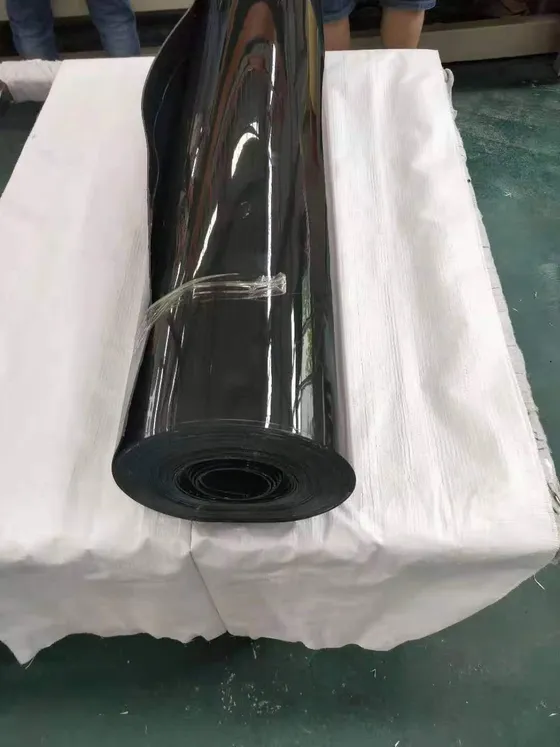 Geomembrane
 Smooth LLDPE geomembrane and flexible LLDPE liner to GRI-GM17 — a linear low density polyethylene liner, 0.50–3.0 mm, for landfill, pond and containment.
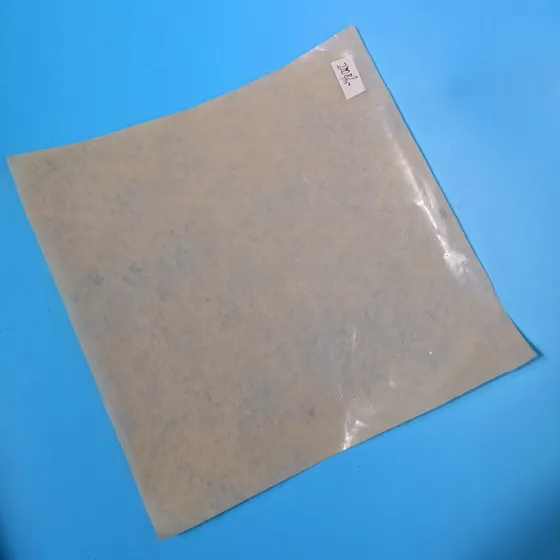 Geomembrane
 Composite geomembrane — HDPE/PE geomembrane laminated with one or two nonwoven geotextile layers (GM-GT composite liner) for dams, canals and landfill.
Tell us your application and quantity — our English-speaking team replies within one business day.