Two different mechanisms, not two grades of the same thing
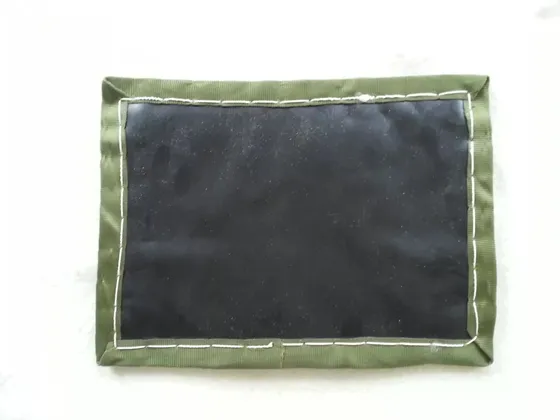
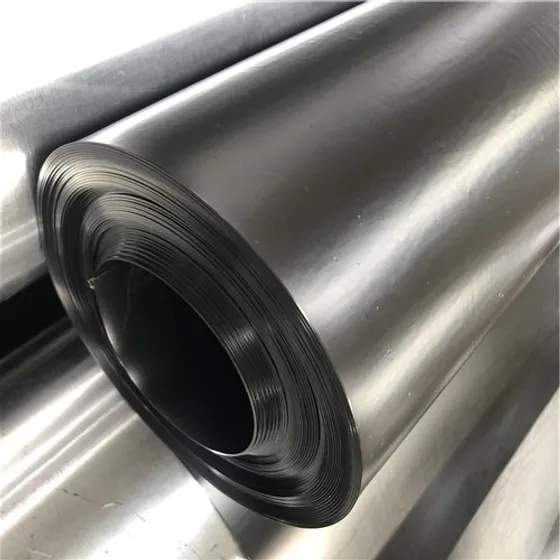
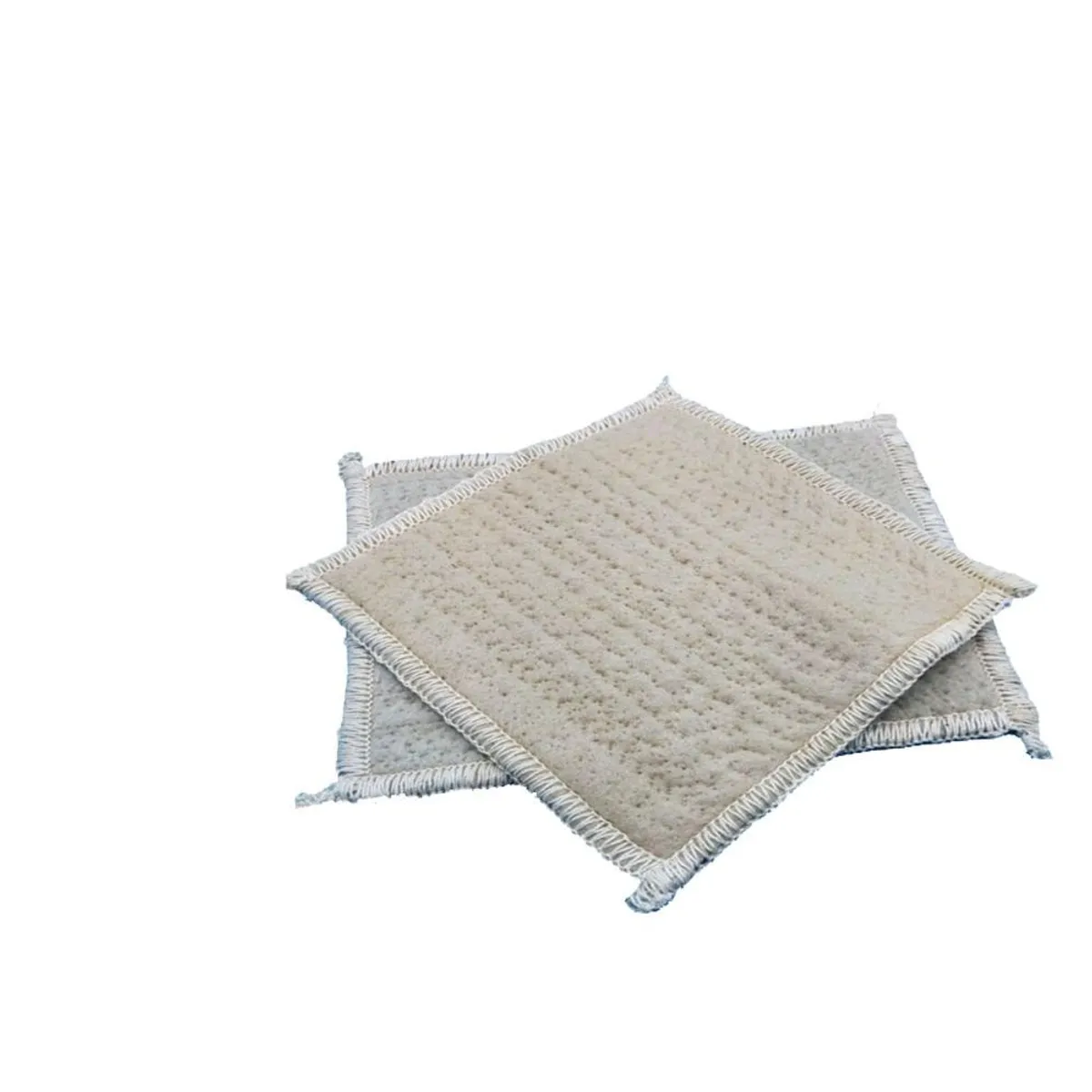
Engineers new to lining work often ask which is the "better" barrier, GCL or HDPE geomembrane, as if one were an upgrade of the other. They are not the same idea. A geosynthetic clay liner (GCL) is a layer of granular sodium bentonite clay locked between two geotextiles by needle-punching, or bonded to a thin film — it is a hydraulic barrier, not a physical seal. Dry, it does almost nothing; wetted, the bentonite swells to many times its dry volume and closes off flow, including small punctures that open up after installation. HDPE geomembrane is the opposite kind of barrier: an extruded polyethylene sheet, thermally welded at every seam, effectively impermeable the moment the panels are welded and tested — and with zero capacity to self-repair if something punches through it later. One barrier heals; the other doesn't bend.
Where a GCL earns its place
GCL geosynthetic clay liners do their best work under a soil or gravel cover, not out in the weather. Typical geosynthetic clay liner applications: landfill final caps under 300–600 mm of cover soil, canal and reservoir lining where the bentonite sits beneath a protective layer, secondary containment under storage tank pads, and pond retrofits where a thin sodium bentonite clay pond liner needs to go down fast over an irregular subgrade the bentonite can conform to. Two things drive the choice: installation speed — panels overlap and self-seal at the joint instead of being welded, so a crew can cover a large flat area with less specialised labour — and self-healing. If a root, a stone, or later settlement opens a small tear, the swelling bentonite in a properly hydrated bentonite clay liner closes it on its own; an equivalent tear in HDPE stays open until someone finds and patches it. The trade-off is that a geotextile clay liner only performs once it is hydrated and kept hydrated — dry out a bentonite clay liner through repeated wet/dry cycling with no cover and it can crack and lose the very seal it's there to provide.
Where HDPE geomembrane wins
Anywhere the liner stays exposed to sun, chemicals, or a fluctuating water line, hand the job to HDPE geomembrane instead. UV-stabilised HDPE holds up for years with no cover at all — floating covers, exposed lagoon slopes, and ponds with variable water levels all put the liner in open air, where a GCL would dry, shrink, and crack. HDPE also wins on chemical resistance: aggressive leachate, industrial effluent, and most solvents that would slowly degrade a clay barrier's structure don't touch a fused polyethylene sheet. And on slopes steeper than roughly 1:3, a textured HDPE geomembrane brings interface friction a GCL cannot match, holding the cover soil (and itself) in place instead of letting it slide.
Cost, weight and installation reality
GCL liner cost per square metre of material usually undercuts HDPE, and installation adds to that gap: GCL rolls are heavy but go down with simple overlap and a light dusting of bentonite powder at the joint, no welding crew, no seam testing rig, no destructive peel/shear samples to pull. HDPE geomembrane needs trained welders, wedge-weld or extrusion-weld equipment, and air-pressure or vacuum-box testing on every seam before the panel is accepted — real cost, but it buys a barrier you can verify seam by seam before backfill goes on. On a straightforward covered application (a canal, a landfill cap, containment under fill) GCL's installed cost is hard to beat; on an exposed or chemically loaded application, HDPE's extra install cost is what you're paying for verified, self-sufficient impermeability that doesn't depend on staying wet.
The honest answer for most landfills: composite, not either/or
Ask which barrier a regulated landfill or hazardous containment cell uses and the real answer is usually both, layered as a composite liner: HDPE geomembrane on top does the primary impermeable job, and a GCL sits directly beneath it as a redundant, self-healing backup that closes over any pinhole or construction defect that gets through the HDPE before it can reach groundwater — which is exactly why regulators default to composite (geomembrane + GCL, or geomembrane + compacted clay) rather than either material alone in double-liner systems. A PE-laminated GCL — bentonite factory-bonded to a thin polyethylene film — is built for this pairing: it adds a low-permeability film layer to the clay's self-healing swell, so the composite performs even before full bentonite hydration. For a broader look at where geotextiles, geomembranes and composite systems each fit, see our geotextile vs geomembrane comparison.
Free Geosynthetics Spec & Selection Guide
Material grades, thickness/GSM sizing and price ranges for your project — sent to your inbox.

 GCL
GCL