
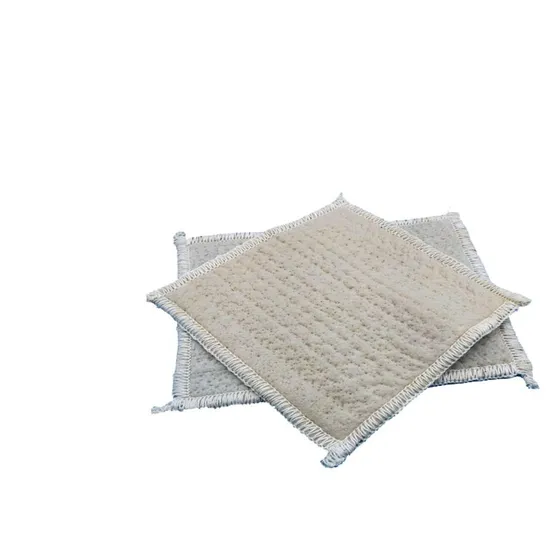
 Бентонитовые маты (ГКЛ)
 Бентонитовый мат (геосинтетический глиняный экран, ГГИ)
Иглопробивной армированный бентонитовый мат из натриевого бентонита по GRI-GCL3.
- GRI-GCL3 (Rev. 5)
- Армированный GT-GT · иглопробивной
- Натриевый бентонит ≥ 3700 г/м²
Бентонитовый мат самозалечивает проколы под укрытием, но не выдерживает открытого воздуха; геомембрана HDPE водонепроницаема, но проколы не лечит.
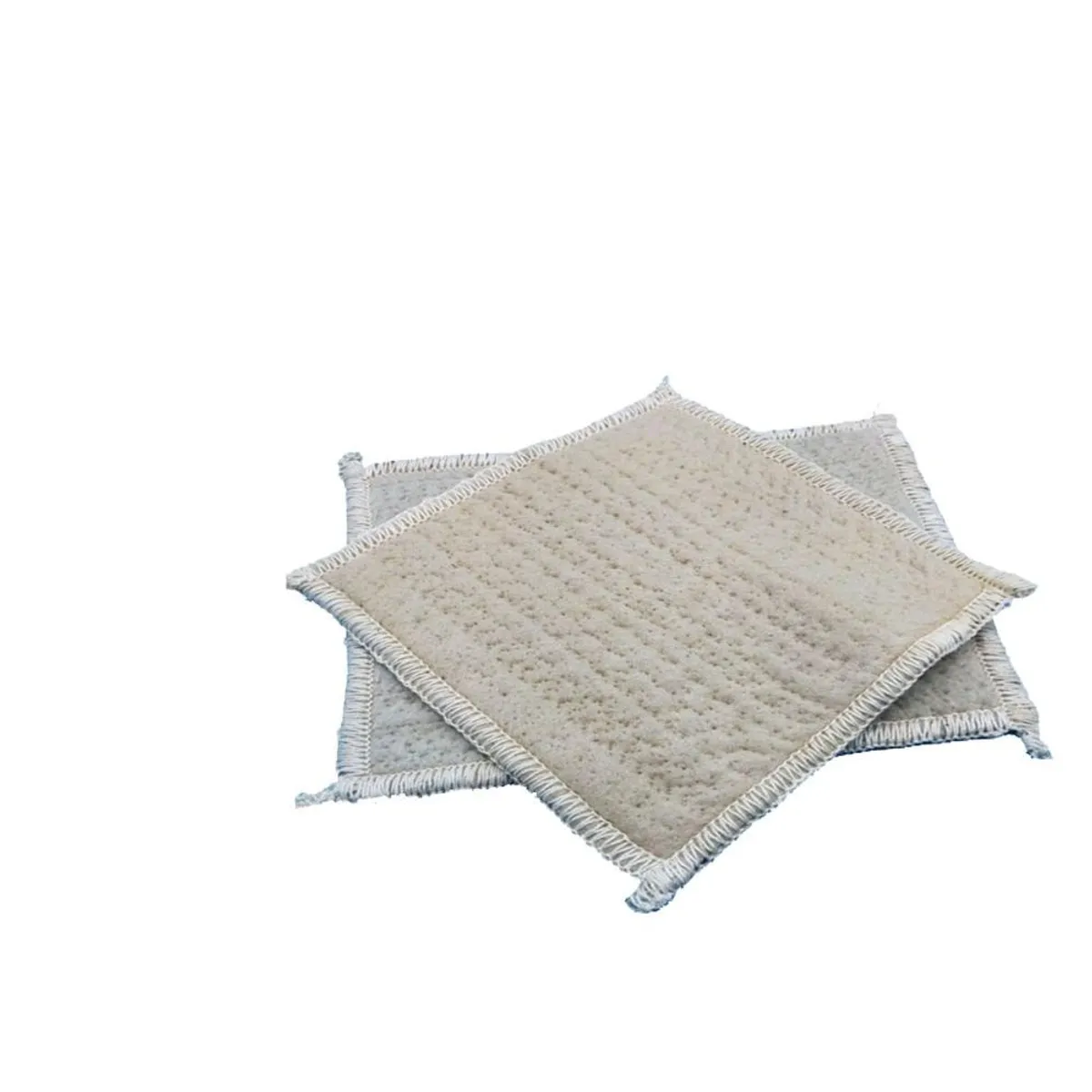
Инженеры, новые в теме противофильтрационных экранов, часто спрашивают, что «лучше» — бентонитовый мат (бентомат) или геомембрана HDPE, как будто один — это апгрейд другого. Это не так. Бентонитовый мат (геосинтетический глиняный экран, ГГИ) — это слой гранулированного натриевого бентонита, зажатый между двумя геотекстилями иглопробивным способом либо приклеенный к тонкой плёнке, — это гидравлический барьер, а не физическое уплотнение. Сухой, он почти ничего не делает; намокнув, бентонит разбухает в несколько раз от сухого объёма и перекрывает поток, включая мелкие проколы, которые появляются уже после монтажа. Геомембрана HDPE — барьер противоположного типа: экструдированное полиэтиленовое полотно, термически сваренное по каждому шву, практически водонепроницаемое сразу после того, как панели сварены и испытаны, — и с нулевой способностью к самозалечиванию, если что-то позже пробьёт полотно насквозь. Один барьер лечится сам; другой не гнётся.
Бентонитовые маты лучше всего работают под слоем грунта или щебня, а не под открытым небом. Типичные области применения: финальные покрытия полигонов ТБО под 300–600 мм грунтовой засыпки, облицовка каналов и водохранилищ, где бентонит уложен под защитным слоем, вторичное обвалование под резервуарными площадками и ремонт прудов, где нужно быстро уложить тонкий слой натриевого бентонита по неровному основанию, к которому мат может подстроиться. Выбор определяют две вещи: скорость монтажа — маты бентонитовые геотекстильные перехлёстывают и самогерметизируются на стыке вместо сварки, и укладка бентонитовых матов идёт быстрее, без узкоспециализированной бригады, — и способность к самозалечиванию. Если корень, камень или последующая осадка открывают небольшой разрыв, разбухающий бентонит в правильно увлажнённом бентонитовом мате закрывает его сам; аналогичный разрыв в HDPE остаётся открытым, пока кто-то его не найдёт и не заплатает. Обратная сторона в том, что гидроизоляция бентонитовыми матами работает, только пока мат увлажнён и остаётся увлажнённым, — высушите бентонитовый мат повторными циклами намокания-высыхания без укрытия, и он может растрескаться и потерять то самое уплотнение, ради которого его укладывали. Устройство бентонитового мата рассчитано именно на работу под нагрузкой сверху, а не на голом открытом откосе.
Там, где полотно остаётся открытым солнцу, химии или колеблющемуся уровню воды, работу лучше отдать геомембране HDPE. UV-стабилизированный HDPE годами держится вообще без укрытия — плавающие покрытия, открытые откосы лагун и пруды с переменным уровнем воды держат полотно на открытом воздухе, где бентонитовый мат высохнет, даст усадку и растрескается. HDPE выигрывает и по химстойкости: агрессивный фильтрат, промышленные стоки и большинство растворителей, которые постепенно разрушают структуру глиняного барьера, не берут сплавленное полиэтиленовое полотно. А на откосах круче примерно 1:3 текстурированная геомембрана HDPE даёт трение по контакту, которого у бентонитового мата просто нет, — удерживая грунтовую засыпку (и само полотно) на месте, а не давая ей сползти.
Цена бентонитовых матов за квадратный метр материала обычно ниже, чем у HDPE, а монтаж увеличивает этот разрыв: рулоны бентонитового мата тяжёлые, но укладываются простым перехлёстом с лёгкой подсыпкой бентонитового порошка на стыке — без сварочной бригады, без стенда для испытания швов, без вырезки разрушающих образцов на отрыв и сдвиг. Геомембране HDPE нужны обученные сварщики, оборудование для сварки горячим клином или экструзией и воздушное или вакуумное испытание каждого шва до приёмки панели — это реальные затраты, но они покупают барьер, который можно проверить шов за швом до засыпки. На простом укрытом объекте (канал, покрытие полигона, обвалование под насыпью) цена бентонитового мата с монтажом трудно превзойти; на открытом или химически нагруженном объекте дополнительные затраты на монтаж HDPE — это плата за проверенную, самодостаточную водонепроницаемость, которая не зависит от того, останется мат влажным или нет.
Спросите, какой барьер используют на регулируемом полигоне ТБО или в ячейке для опасных отходов, и реальный ответ обычно — оба сразу, в виде композитного экрана: геомембрана HDPE сверху выполняет основную водонепроницаемую функцию, а бентонитовый мат лежит прямо под ней как резервный, самозалечивающийся слой, который закрывает любой прокол или дефект монтажа, прошедший через HDPE, прежде чем он дойдёт до грунтовых вод, — именно поэтому нормативы по умолчанию требуют композит (геомембрана + бентонитовый мат либо геомембрана + уплотнённая глина) для геомембраны на полигоне, а не один материал в системах с двойным экраном. Бентонитовый мат с ПЭ-плёнкой — бентонит, заводски приклеенный к тонкой полиэтиленовой плёнке — создан именно для такой пары: он добавляет слой низкой проницаемости к самозалечивающемуся набуханию глины, поэтому композит работает ещё до полного увлажнения бентонита. Более широкий обзор того, где каждый материал на своём месте, смотрите в нашем сравнении геотекстиля и геомембраны.
Бесплатный гид по выбору геосинтетики и спецификациям
Марки материала, подбор толщины/плотности и диапазоны цен для вашего проекта — на вашу почту.
Ненадолго. Бентонитовый мат должен оставаться увлажнённым, чтобы держать уплотнение; на открытом воздухе он проходит циклы намокания-высыхания, которые могут дать усадку и растрескать бентонит. Укройте его грунтом, щебнем или другим геосинтетиком, либо переходите на геомембрану HDPE для любого применения, которое должно оставаться на открытом воздухе.
Да — оба термина описывают один и тот же иглопробивной «сэндвич» из натриевого бентонита между двумя слоями геотекстиля. Бентонитовый мат с ПЭ-плёнкой — это вариант с тонкой полиэтиленовой плёнкой, приклеенной к одной стороне вместо второго геотекстиля.
Только если проект по нормативам требует двойного или композитного экрана, либо последствия протечки достаточно серьёзны, чтобы оправдать резервирование, — в основном это полигоны ТБО и ячейки под опасные отходы. Большинство прудов, каналов и укрытых вторичных обвалований спокойно работают на одном материале, подобранном под условия эксплуатации.
Масса бентонита на квадратный метр (самый важный параметр), иглопробивная или клеевая конструкция, ширина рулона и связанные с ней отходы на нахлест, и логистика — рулоны бентонитового мата плотные и тяжёлые, поэтому расстояние доставки сдвигает итоговую цену сильнее, чем для лёгких рулонов HDPE.
Бентонитовые маты (ГКЛ) Иглопробивной армированный бентонитовый мат из натриевого бентонита по GRI-GCL3.
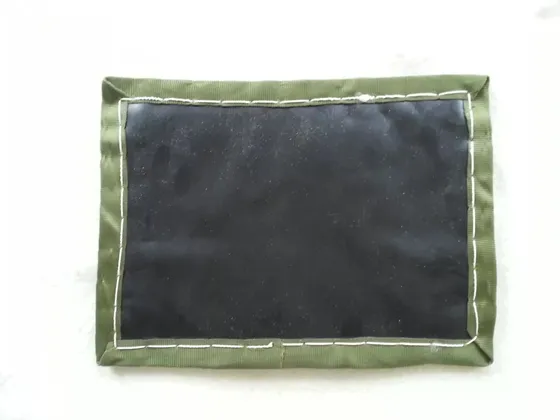 Бентонитовые маты (ГКЛ)
 Бентонитовый мат с ПЭ-плёнкой (ламинированный GCL) — композитный противофильтрационный экран сверхнизкой проницаемости для полигонов и лагун.
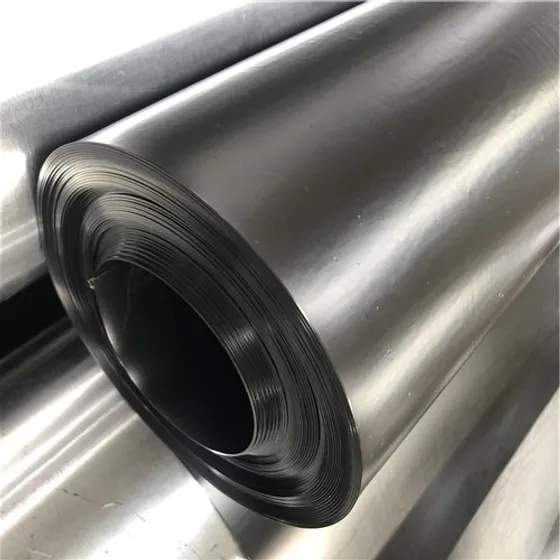 Геомембраны
 Гладкая геомембрана HDPE (ПНД) по GRI-GM13 — водонепроницаемая полиэтиленовая пленка для пруда, полигона и резервуара, толщина 0,75–3,0 мм.
Сообщите ваше применение и количество — наша команда отвечает в течение одного рабочего дня.