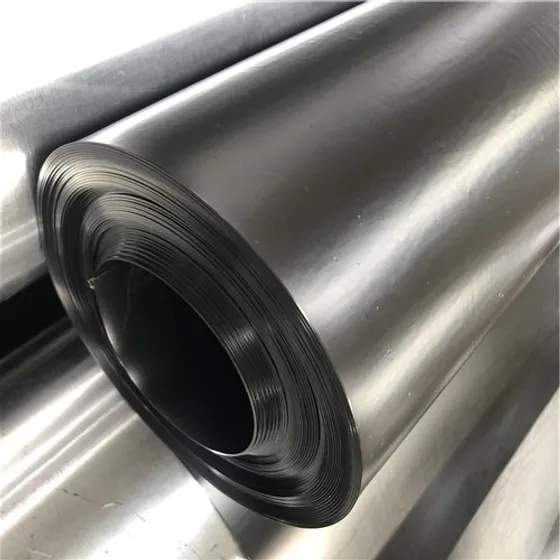
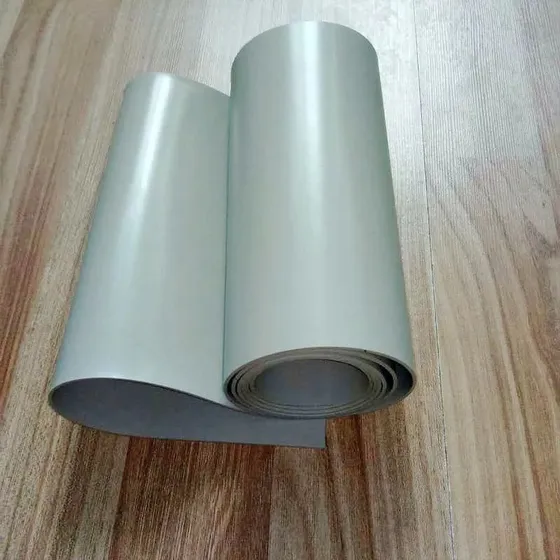
Geosynthetic Clay Liner (GCL)

SIGMA geosynthetic clay liner (GCL) is a reinforced bentonite clay liner: a layer of granular sodium (natrium) bentonite encapsulated between a woven carrier geotextile and a nonwoven cap, bonded together by needle-punching to the GRI-GCL3 standard. When hydrated, the sodium bentonite swells into a low-permeability gel that self-seals minor punctures, giving a permeability as low as 5 × 10⁻¹¹ m/s. As a bentonite pond liner and landfill clay liner it provides green, durable seepage control for ponds, canals, reservoirs, landfills and underground works.

GRI-GCL3 (Rev. 5)Reinforced GT-GT · needle-punchedSodium bentonite ≥ 3700 g/m²
Geosynthetic Clay Liner (GCL)

What is a geosynthetic clay liner?

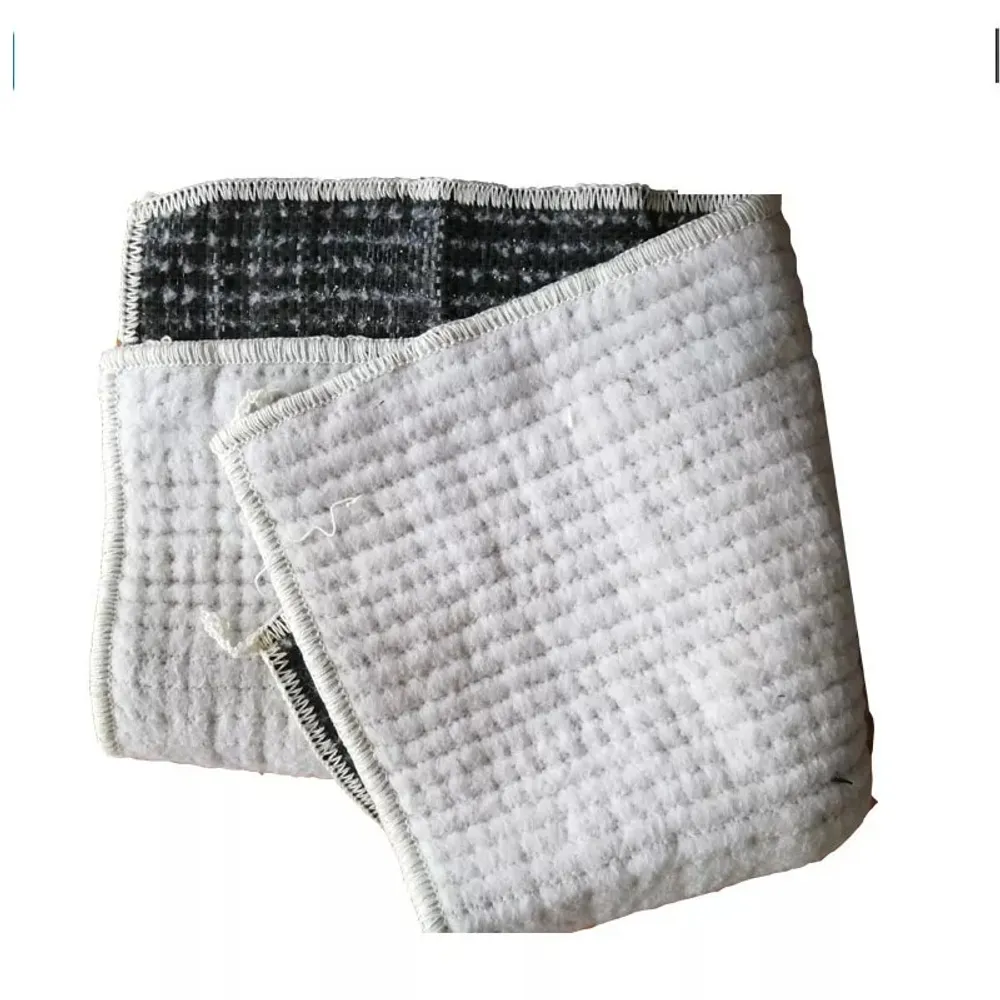
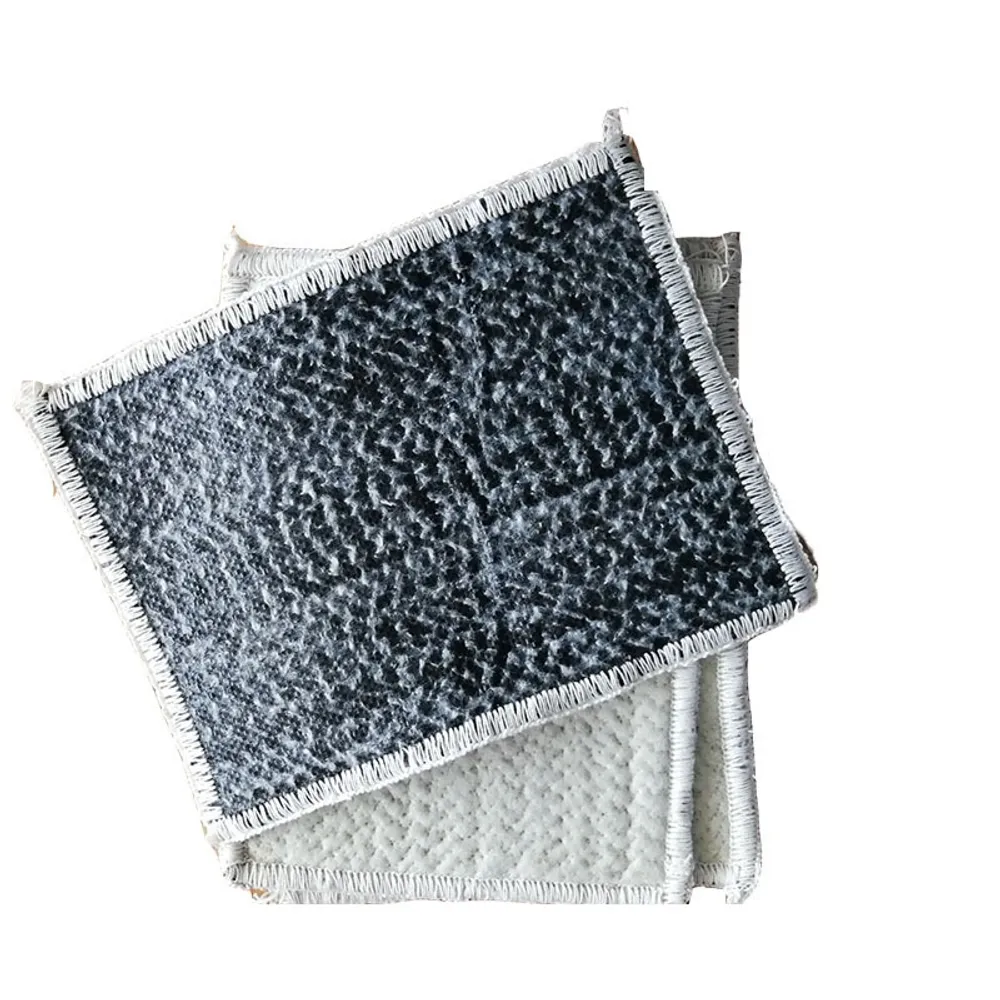
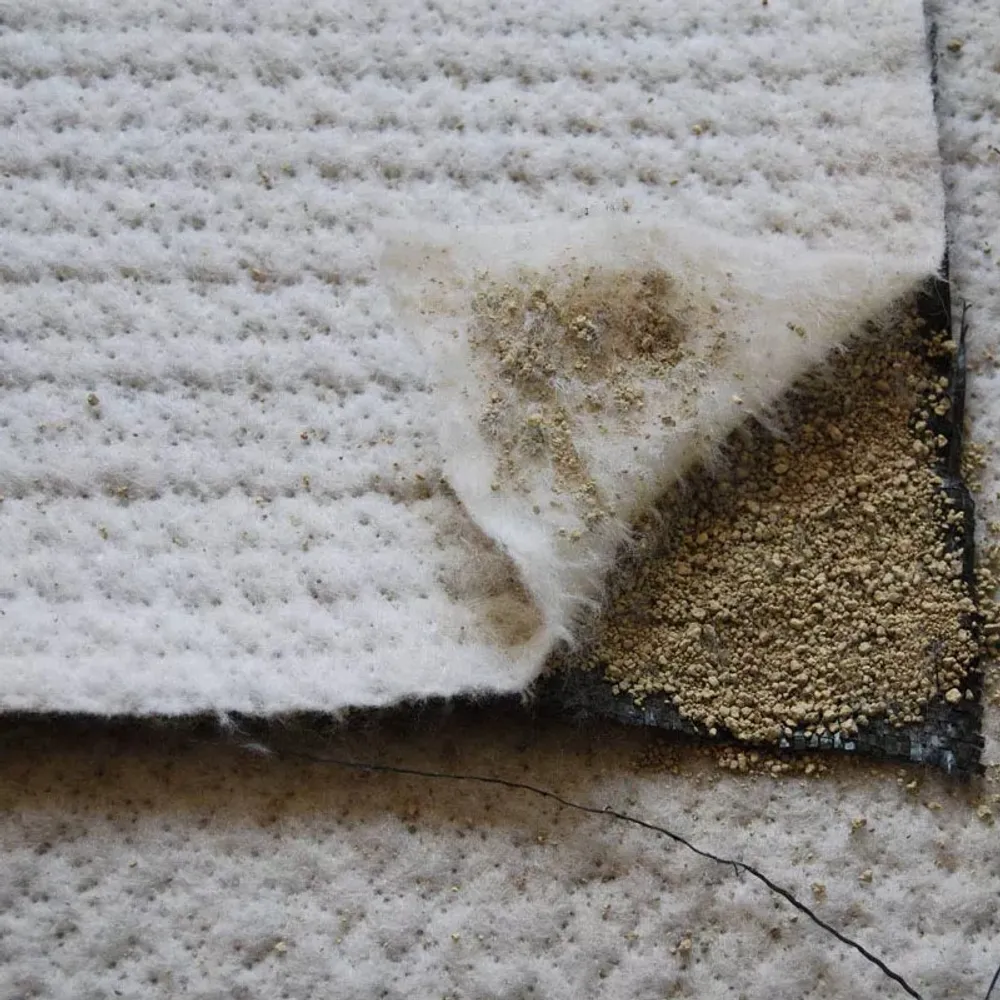
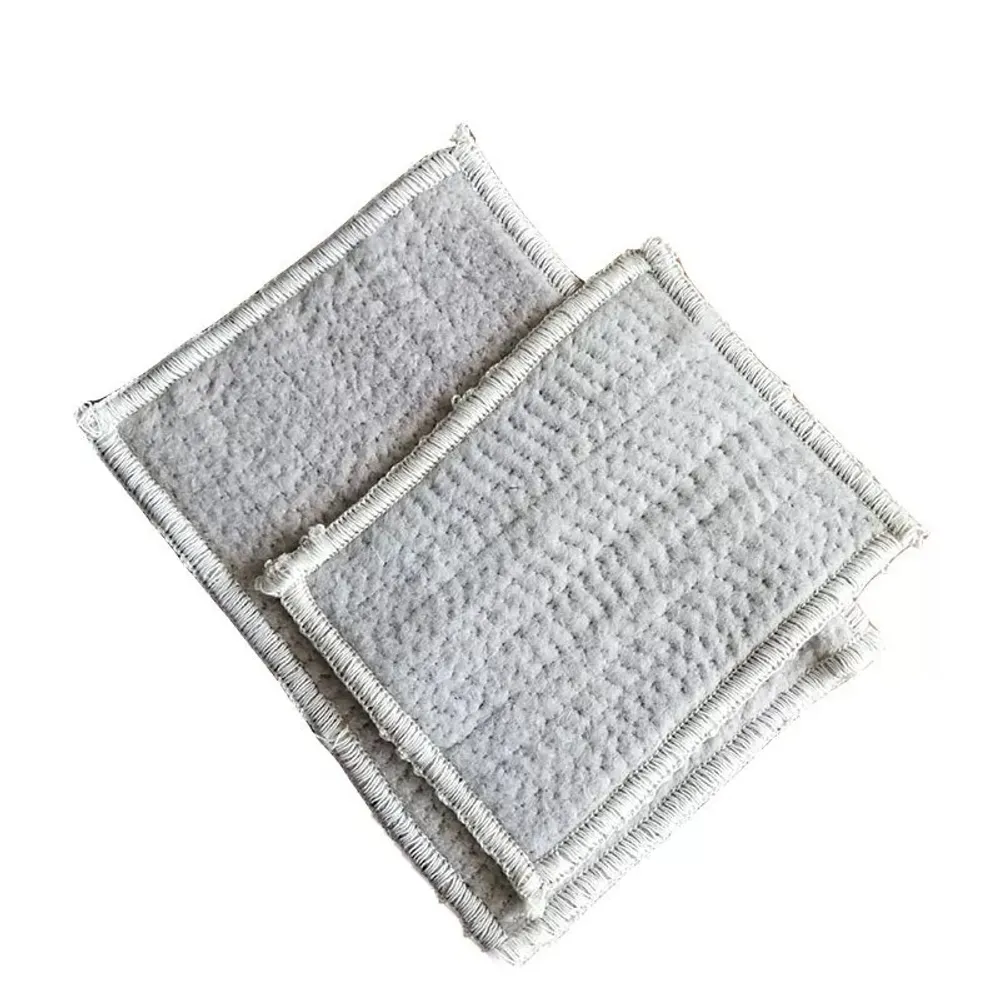
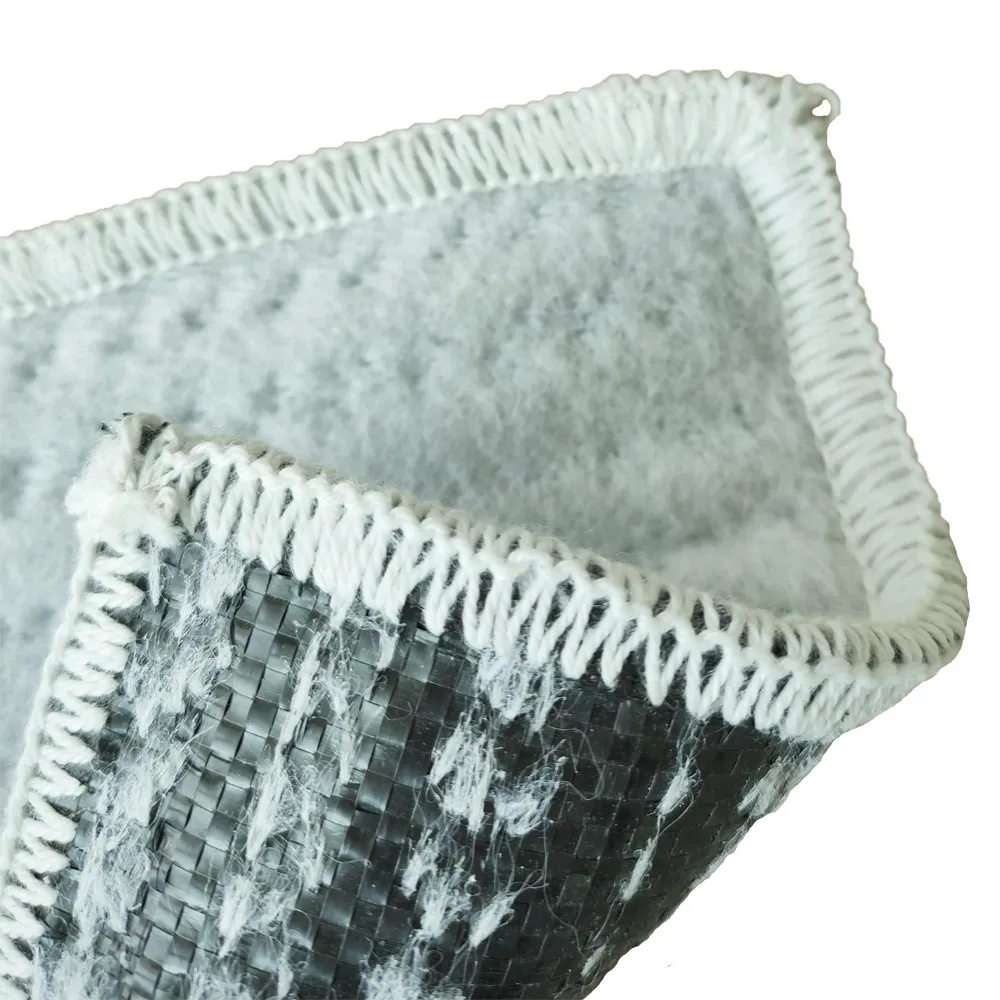
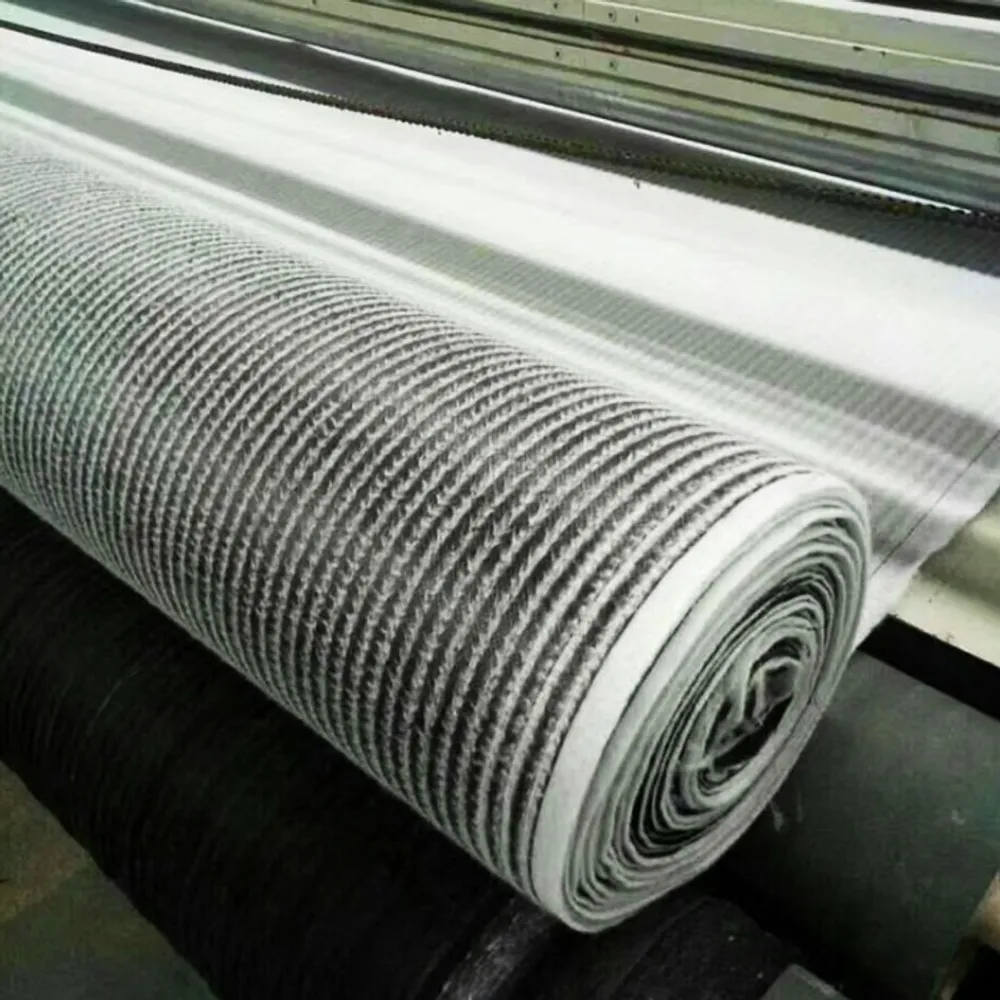
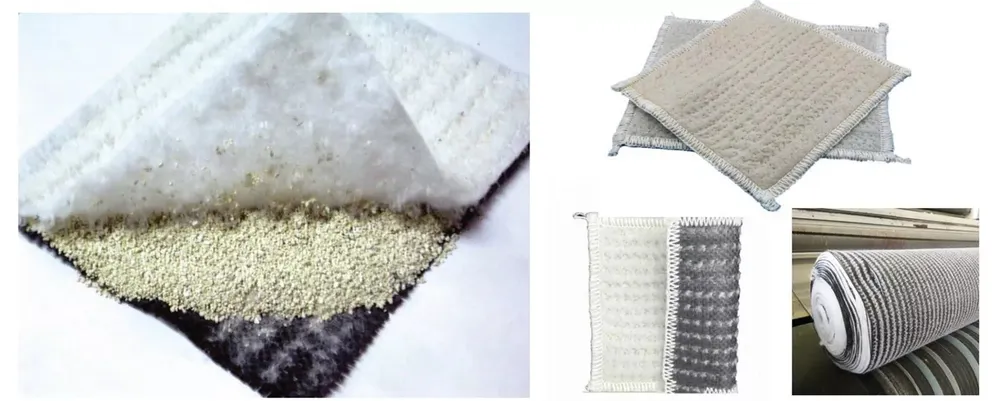
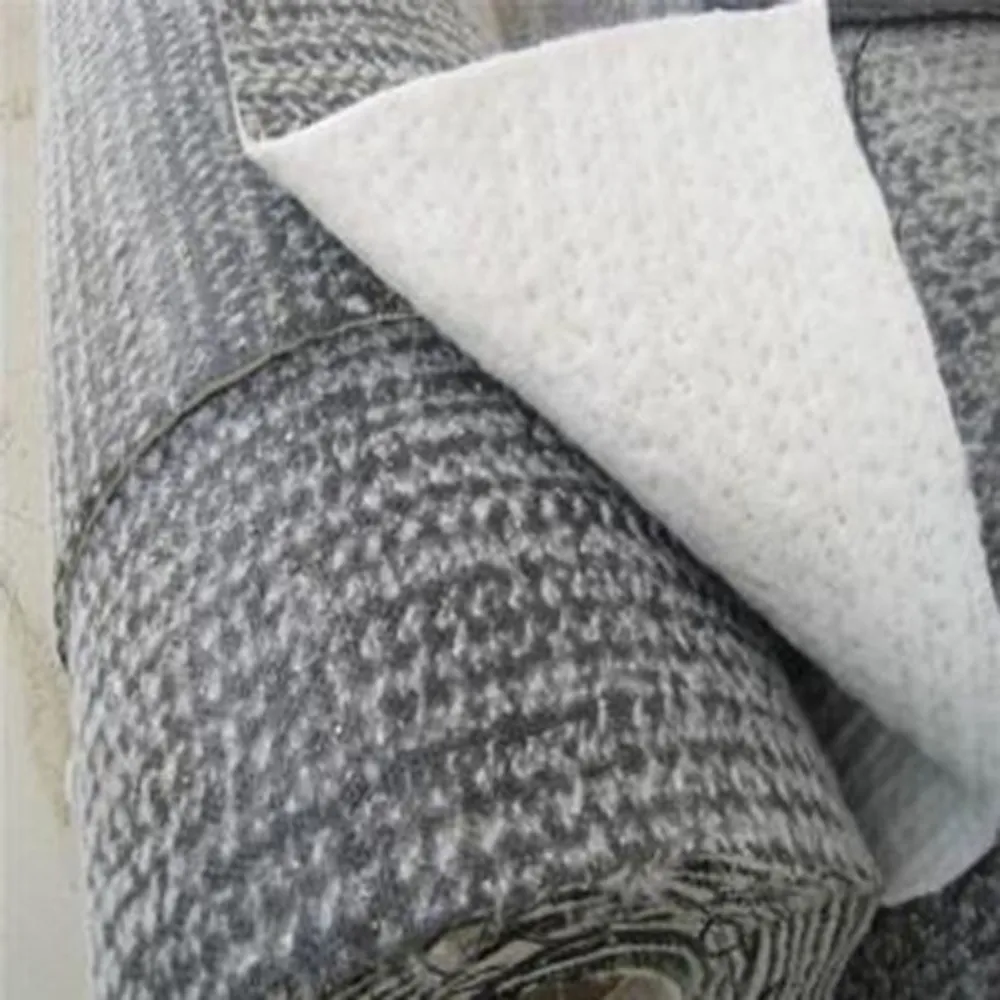
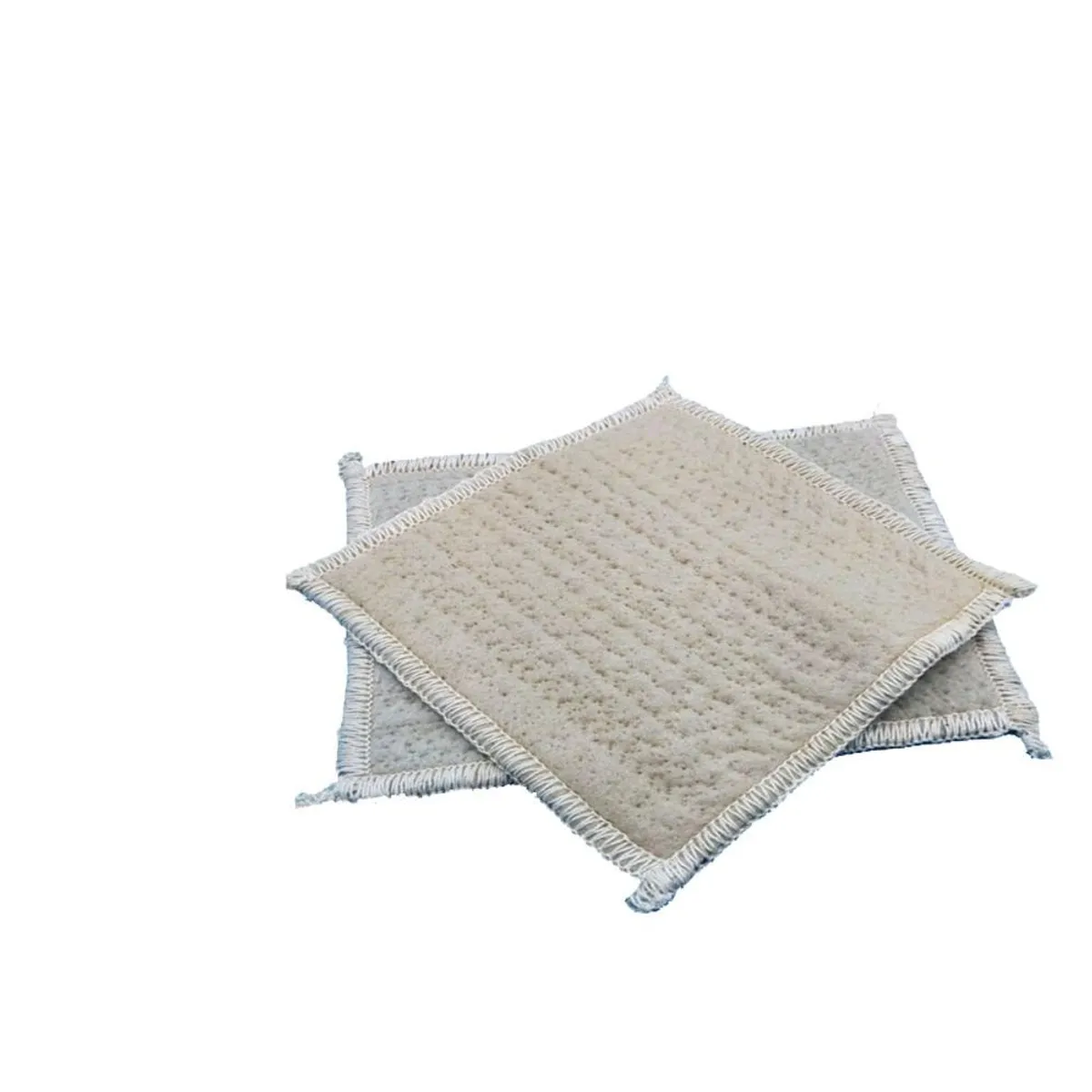
A geosynthetic clay liner (GCL) is a high-tech composite waterproofing material made of two layers of geotextile sandwiching a core of high-quality sodium (natrium) bentonite granules, bonded by a needle-punching method. The sodium bentonite is a natural clay mineral; when it absorbs water it swells into a dense, low-permeability gel that forms the seepage barrier. SIGMA manufactures this reinforced GCL liner to the GRI-GCL3 standard, so the clay liner delivers consistent, certified hydraulic performance.

Why a bentonite clay liner self-seals

The advantage of a geosynthetic clay liner over a compacted clay liner is the bentonite core: on contact with water the sodium bentonite swells many times its dry volume, sealing seams, overlaps and minor punctures automatically. This self-healing behaviour, combined with needle-punch reinforcement, lets the GCL conform to the subgrade and tolerate settlement without losing its barrier function. It is a green, non-toxic alternative for projects that would otherwise import and compact natural clay for pond lining.

Where the GCL is used

SIGMA geosynthetic clay liner is used for municipal and underground works, subway and building waterproofing, and roof-reservoir seepage prevention; for environmental sanitation — household waste landfill, sewage treatment plants and industrial waste containment; and for water conservancy on rivers, lakes and reservoirs. As a bentonite pond liner it controls seepage at artificial lakes and golf-course ponds, and it provides anti-seepage and reinforcement for petrochemical, mining and agricultural projects. It is often paired with an HDPE geomembrane in composite lining systems.

How the GCL is built

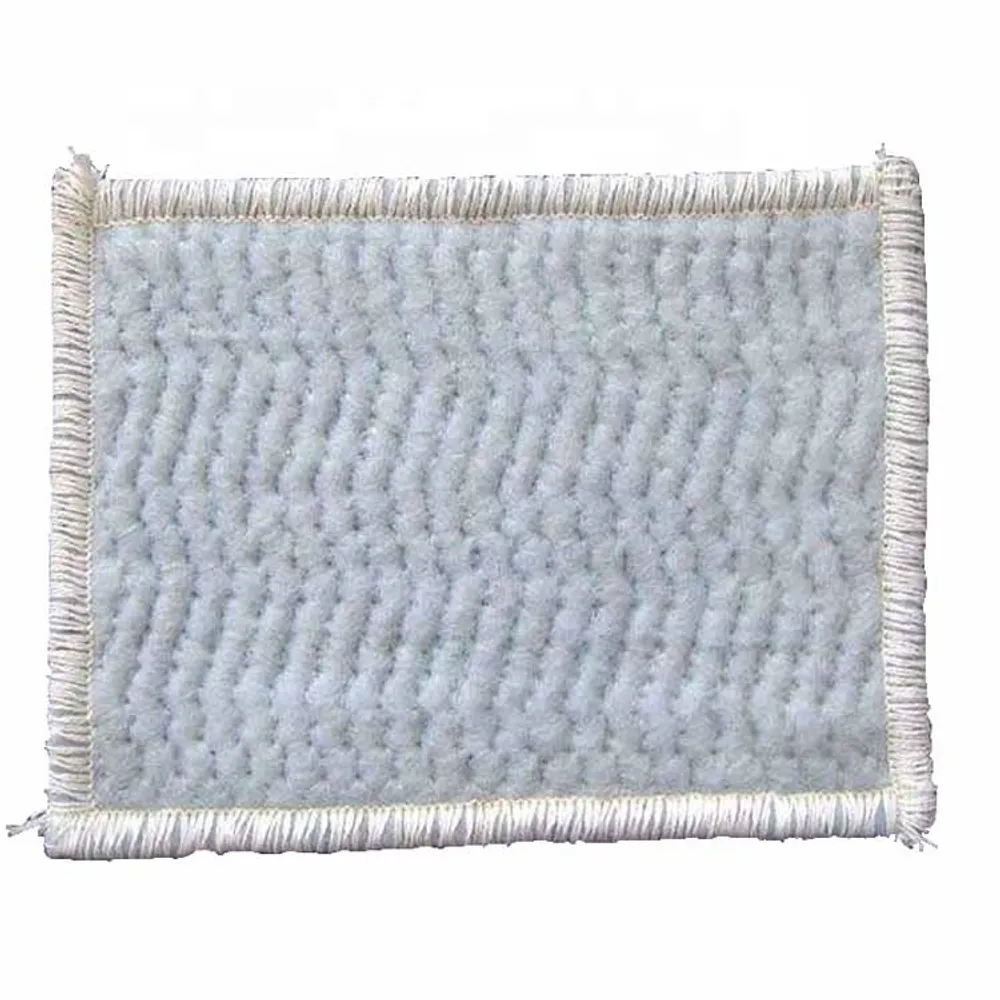
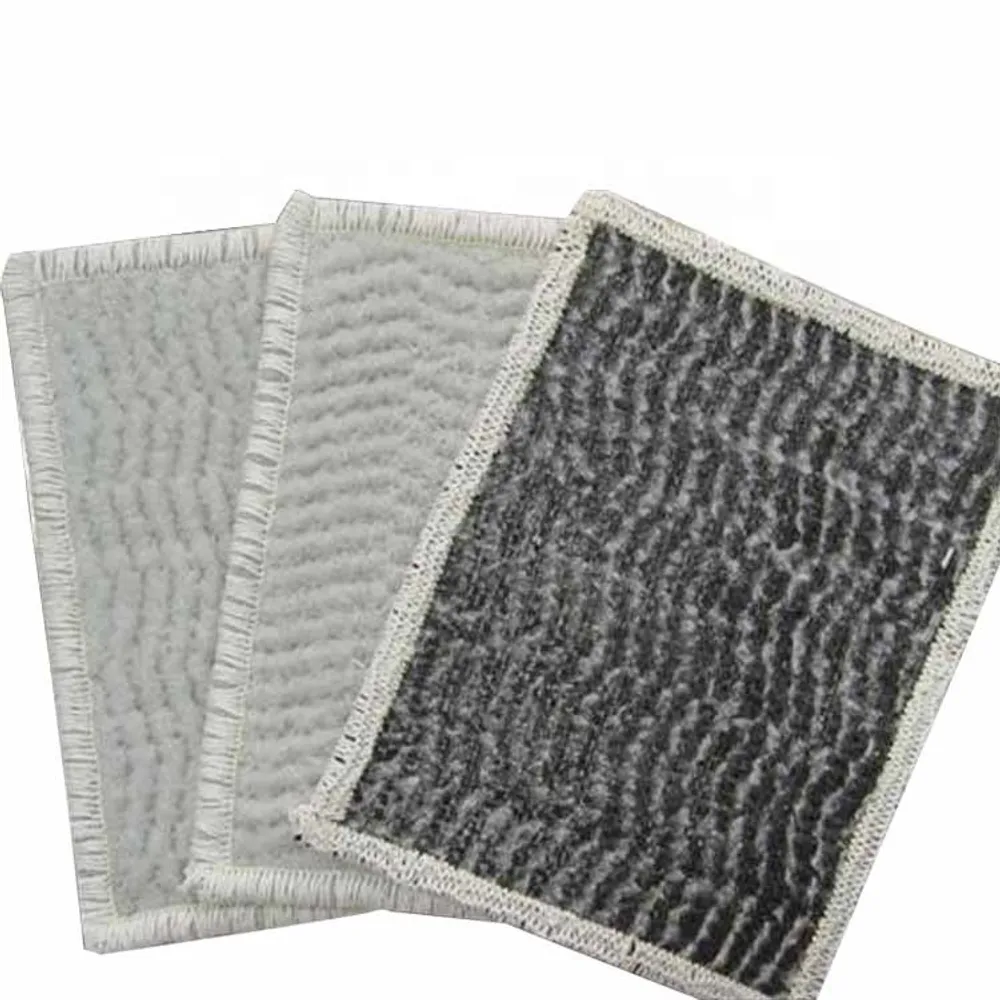
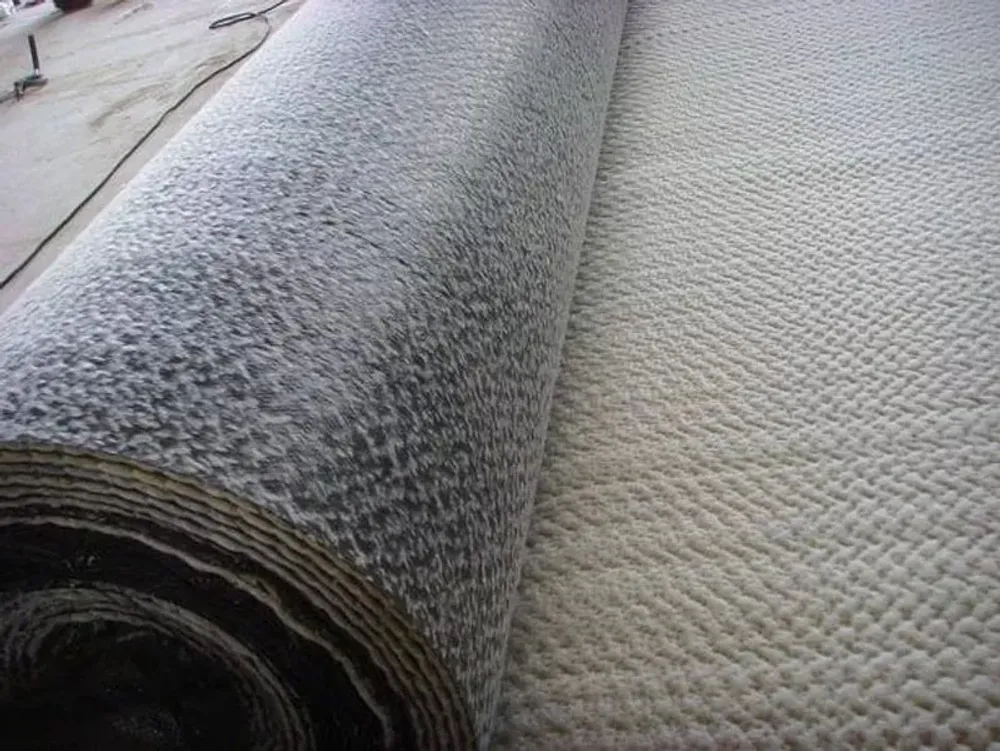
Each GCL liner is built by encapsulating a core of granular sodium (natrium) bentonite between two geotextiles — a woven carrier on one face and a nonwoven cap on the other — and locking the package together by needle-punching, which draws fibres through the bentonite and bonds the layers into a single reinforced sheet. The needle-punch reinforcement is what holds the clay in place on slopes and under load, and at least one fabric carries a scrim component for dimensional stability. Because the barrier comes from a natural clay mineral rather than a polymer film, the bentonite clay liner is a green, non-toxic core that performs as a self-contained seepage barrier or as the clay element of a composite lining system.

GCL versus a compacted clay liner

Traditional compacted clay liners require importing, placing and moisture-conditioning a thick layer of natural clay, and their performance depends entirely on field workmanship. A geosynthetic clay liner delivers the same low permeability in a few factory-controlled millimetres, so it installs far faster, weighs less, conforms to the subgrade and tolerates settlement and deformation that would crack compacted clay. For pond lining this means the GCL replaces large volumes of imported clay for pond lining while giving a certified, repeatable barrier — a practical reason buyers choose a gcl pond liner over bulk bentonite clay pond liner placement.

Installation and overlap

GCL panels are unrolled over a prepared, smooth subgrade and joined by simple overlap — typically with supplemental granular bentonite spread along the seam — so no welding equipment or skilled welding crew is needed and installation is fast. On hydration the bentonite swells across the overlap and seals it into a continuous barrier. Perimeter and penetration details are secured in anchor trenches, and where the surface is exposed or trafficked a cover soil layer or an HDPE geomembrane protects the liner.

Quality, standard and supply

As a geosynthetic clay liner manufacturer SIGMA produces every roll to the GRI-GCL3 (Rev. 5) standard, with swell index, bentonite mass, permeability, tensile and peel values verified by the designated ASTM methods, so the clay liner gives consistent, certified hydraulic performance project after project. We sell direct, quoting a geosynthetic clay liner price ex-works by the square metre or per roll, and roll width and length are set per order. Send us the project area, the required bentonite mass per square metre and your destination port and we will return a quotation.

More views

Geosynthetic Clay Liner (GCL) — More viewsGeosynthetic Clay Liner (GCL) — More viewsGeosynthetic Clay Liner (GCL) — More viewsGeosynthetic Clay Liner (GCL) — More viewsGeosynthetic Clay Liner (GCL) — More viewsGeosynthetic Clay Liner (GCL) — More views

Manufacturing

Geosynthetic Clay Liner (GCL) — ManufacturingGeosynthetic Clay Liner (GCL) — ManufacturingGeosynthetic Clay Liner (GCL) — ManufacturingGeosynthetic Clay Liner (GCL) — Manufacturing

Shipping & packaging

Geosynthetic Clay Liner (GCL) — Shipping & packaging

Key features

  • Reinforced sodium bentonite GCL needle-punched to GRI-GCL3
  • Self-sealing — hydrated bentonite gels to close minor punctures
  • Very low permeability, as low as 5 × 10⁻¹¹ m/s
  • Green, non-toxic natural clay mineral core
  • Conforms to subgrade and tolerates settlement and deformation
  • Fast overlap installation — no welding equipment required

Ideal for

  • Bentonite pond liner — ornamental ponds, lakes and golf-course water features
  • Solid waste landfill base liner and capping
  • Canal, river and reservoir seepage prevention
  • Municipal, subway and underground building waterproofing
  • Anti-seepage for petrochemical, mining and agricultural projects

Specifications

Needle-Punched Reinforced Sodium-Bentonite GCL (GT-GT) — properties per GRI-GCL3 (Rev. 5, Nov. 21, 2019).

PropertyTest MethodUnitRequirement
Clay (bentonite) — swell index (min.)ASTM D5890mL/2 g24
Clay (bentonite) — fluid loss (max.)ASTM D5891mL18
Cap fabric (nonwoven) — mass/unit area (min.)ASTM D5261g/m² (oz/yd²)200 (5.9)
Cap fabric (woven) — mass/unit area (min.)ASTM D5261g/m² (oz/yd²)100 (3.0)
Carrier fabric (nonwoven composite) — mass/unit area (min.)ASTM D5261g/m² (oz/yd²)200 (5.9)
Carrier fabric (woven) — mass/unit area (min.)ASTM D5261g/m² (oz/yd²)100 (3.0)
Mass of GCL (min.)ASTM D5993g/m² (lb/ft²)4000 (0.81)
Mass of bentonite (min.)ASTM D5993g/m² (lb/ft²)3700 (0.75)
Moisture content (max.)ASTM D5993%35
Tensile strength, MD (min.)ASTM D6768kN/m (lb/in)4.0 (23)
Peel strength (min.)ASTM D6496N/m (lb/in)360 (2.1)
Permeability (max.)ASTM D5887m/s (cm/s)5 × 10⁻¹¹ (5 × 10⁻⁹)
— or — Flux (max.)ASTM D5887m³/m²/s1 × 10⁻⁸
GCL flux at 35 kPa (max.)ASTM D6766m³/m²/s1 × 10⁻⁷
Geotextile & reinforcing yarns — strength retained (min.)per GRI-GCL3 §5.6.2 (ASTM D5035, 60 °C / 50 days)%65
  • One of cap or carrier must include a scrim component ≥100 g/m² for dimensional stability.
  • Bentonite type: natural sodium (natrium) bentonite, granular.
  • Roll width and length are manufacturer/order-specific — contact us for stock sizes.

Frequently asked questions

Is this geosynthetic clay liner made to GRI-GCL3?

Yes. Our reinforced GCL is needle-punched and manufactured to the GRI-GCL3 (Rev. 5) standard for the geotextile-related (GT-GT) product class, with swell index, bentonite mass, permeability, tensile and peel values that meet or exceed the table above when tested by the designated ASTM methods.

How does a GCL compare with a compacted clay liner for pond lining?

A geosynthetic clay liner delivers the low permeability of a thick compacted clay layer in a few millimetres of factory-controlled product, so it installs far faster and conforms to the subgrade better. Its sodium bentonite core swells and self-seals on hydration, whereas a compacted clay liner relies entirely on field placement and moisture control.

What permeability does the bentonite clay liner achieve?

The GCL achieves a maximum permeability of 5 × 10⁻¹¹ m/s (5 × 10⁻⁹ cm/s) per ASTM D5887, with a corresponding flux limit, making it suitable as a primary barrier for ponds, canals and reservoirs and as a base or capping liner for landfills.

How is a geosynthetic clay liner installed?

GCL panels are unrolled over a prepared, smooth subgrade and joined by simple overlap — typically with supplemental granular bentonite along the seam — so no welding equipment is needed. On hydration the bentonite swells to seal the overlaps. Anchor trenches secure the perimeter, and a cover layer or geomembrane protects exposed areas.

What does a geosynthetic clay liner cost?

GCL price depends mainly on bentonite mass per square metre, geotextile components and order volume. As a geosynthetic clay liner manufacturer we quote ex-works per square metre or per roll; send us the project area and destination port and we will return a price the same business day.

What are the main applications and uses of a GCL?

A geosynthetic clay liner is used for landfill base liners and capping, pond and reservoir seepage prevention, canal and river anti-seepage, and municipal, subway and building waterproofing. As a bentonite pond liner it controls seepage at artificial lakes and golf-course ponds, and it serves petrochemical, mining and agricultural containment — often as the clay element of a composite system with an HDPE geomembrane.

What roll sizes and minimum order do you offer?

Roll width and length are set per order rather than fixed sizes, and at least one fabric carries a scrim component for dimensional stability. We keep minimums sensible for export — tell us the project area and the required bentonite mass per square metre and we will confirm roll dimensions and the minimum order quantity.

What is the lead time and can you arrange ocean shipping?

Lead time depends on bentonite mass, total area and current production load; we confirm a date when we quote. The GCL ships rolled and palletised for sea freight, and we arrange ex-works, FOB or CIF to your destination port. Share the area and port and we will include packing and shipping in the quotation.

Request a quote for the Geosynthetic Clay Liner (GCL)

Tell us quantity, destination port, and any questions — we reply within one business day.

Related products

PE-Laminated GCL GCL

PE-Laminated GCL

PE-laminated GCL (geofilm GCL) — a needle-punched sodium bentonite clay liner with a polyethylene film on one face for an extra impermeable barrier.

  • PE film + needle-punched GCL
  • Bentonite base per GRI-GCL3
  • Geofilm GCL · steep-slope
Get a quote →
HDPE Geomembrane Geomembrane

HDPE Geomembrane

Smooth HDPE geomembrane liner to GRI-GM13 — an impermeable high density polyethylene pond liner for landfill, water and containment, 0.75–3.0 mm.

  • GRI-GM13
  • 0.75–3.0 mm (30–120 mil)
  • Smooth · Black
Get a quote →
PVC Geomembrane Geomembrane

PVC Geomembrane

Flexible PVC geomembrane and PVC pond liner to ASTM D7176 / PGI-1104 — a non-reinforced polyvinyl chloride liner, 10–60 mil, for ponds and containment.

  • ASTM D7176 / PGI-1104
  • 10–60 mil (0.25–1.52 mm)
  • Gray or black · Smooth/embossed
Get a quote →