
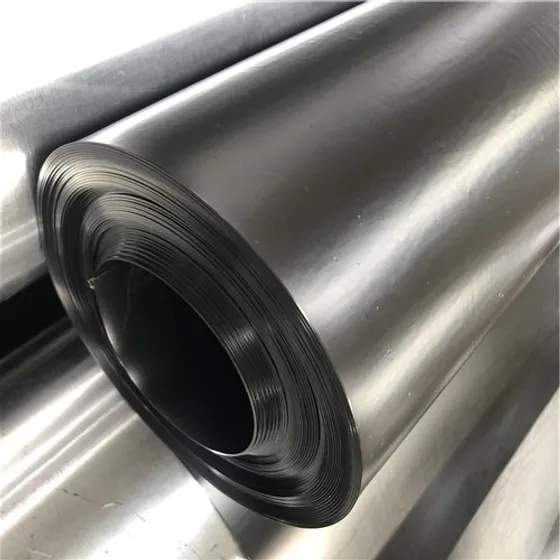
 Geomembrane
 HDPE Geomembrane
Smooth HDPE geomembrane liner to GRI-GM13 — an impermeable high density polyethylene pond liner for landfill, water and containment, 0.75–3.0 mm.
- GRI-GM13
- 0.75–3.0 mm (30–120 mil)
- Smooth · Black
SIGMA gravel grid is a snap-together (interlocking) HDPE cellular paver that confines gravel or grass to create permeable, load-bearing surfaces — driveways, car parks, fire lanes, paths and erosion control. Cells are filled with clean aggregate or topsoil and turf, and the load is shared between the grid and the ground. Made from modified high-molecular-weight HDPE, this gravel stabilizer grid is pressure-resistant, wear-resistant, anti-aging and recyclable.
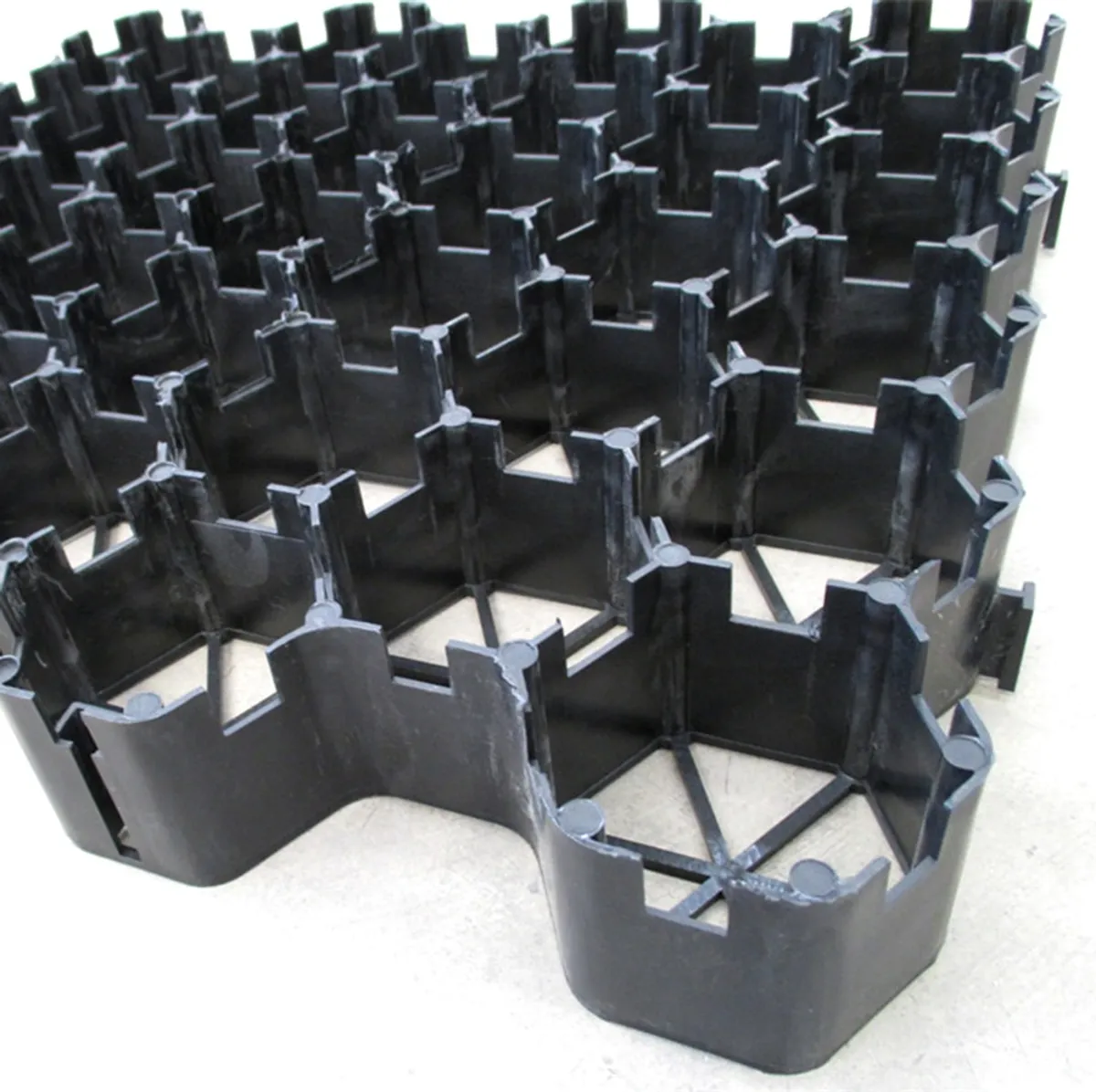
SIGMA gravel grid is an interlocking HDPE cellular paver that holds loose gravel or grass in place, so the surface no longer ruts or churns under tyres and footfall. Pressed down to ground level, the cells share the load between the grid and the soil beneath, making it a true gravel stabilizer grid for driveways, car parks and paths. Made from modified high-molecular-weight HDPE, it is pressure-resistant, wearable, impact-resistant, anti-aging and corrosion-resistant.
With around 90% open area, this plastic driveway grid lets rainwater drain naturally so the ground stays clean and water does not pond. As a gravel ground grid or gravel holder for driveway use, the same panel doubles as a gravel retaining mesh on sloped edges. Filled with topsoil and seeded, it works as a grass driveway grid that combines lawn and parking in one; filled with clean angular gravel it forms a firm pea-gravel surface. The flat interlocking lap snaps together without clips or pins, saving labour, and panels are reusable — easy to install and to lift again.
Cell depth runs 25–50 mm — deeper cells carry heavier loads — and the grid carries high bearing stress when filled with compacted aggregate, so the deeper panels double as heavy duty gravel grids for commercial yards and shared access roads. Fill with clean angular gravel up to about 12 mm, or sandy-loam topsoil and turf for a green finish; for a pea gravel grid, choose a panel with a smaller cell opening so the finer stone stays locked in place. On slopes the same panel works as a gravel reinforcement grid and gravel retaining mat, effectively a gravel retention matting layer. Anchors are typically not needed up to about 15°; staking is advised on steeper slopes, which makes the grid useful as a gravel grid for a sloped driveway or path. There is no single public standard for gravel grids, so SIGMA panel dimensions and load ratings are confirmed against production data. For three-dimensional slope reinforcement, also see our geonet drainage products.
SIGMA gravel grid is moulded from modified high-molecular-weight HDPE, frequently with high recycled content, and is fully recyclable at end of life. The polymer is UV-stabilized with carbon black (a green version is available) and is anti-aging, corrosion-resistant and impact-resistant, so the panels survive freeze-thaw, sun and the point loads of vehicle tyres. As a true gravel stabilizer grid — sometimes called a honeycomb gravel grid — the cell walls hold the fill in place rather than relying on the aggregate alone.
This plastic driveway grid — also supplied as gravel grid pavers — is used for permeable gravel and grass driveways, car parks and overflow parking, fire lanes and access roads, garden paths and walkways. Filled with pea gravel it makes a stable parking or path surface; filled with topsoil and turf it works as a grass driveway grid and reinforcement that keeps a lawn drivable. The same panels also serve as gravel grids for paths through gardens and courtyards, or as a gravel patio grid beneath outdoor seating and dining areas. Compared with concrete or asphalt it is permeable, faster to lay and far lighter to ship — a flexible ground-reinforcement grid for both gravel mats and grass-paver duty.
Lay the grid on a compacted, free-draining sub-base, snap the panels together with their interlocking tabs (no clips, staples or pins), fill the cells with gravel or topsoil, and compact lightly so the fill sits just proud of the cell tops. Panels are reusable and easy to lift and relay, and the whole gravel grid system ships flat-packed to keep freight low. Because cell size, depth, wall thickness, panel size and load rating vary by model and there is no single public standard, send us the traffic (pedestrian, car or heavier), the fill and the area, and we will confirm the panel specification, load rating and quantity from SIGMA datasheet.
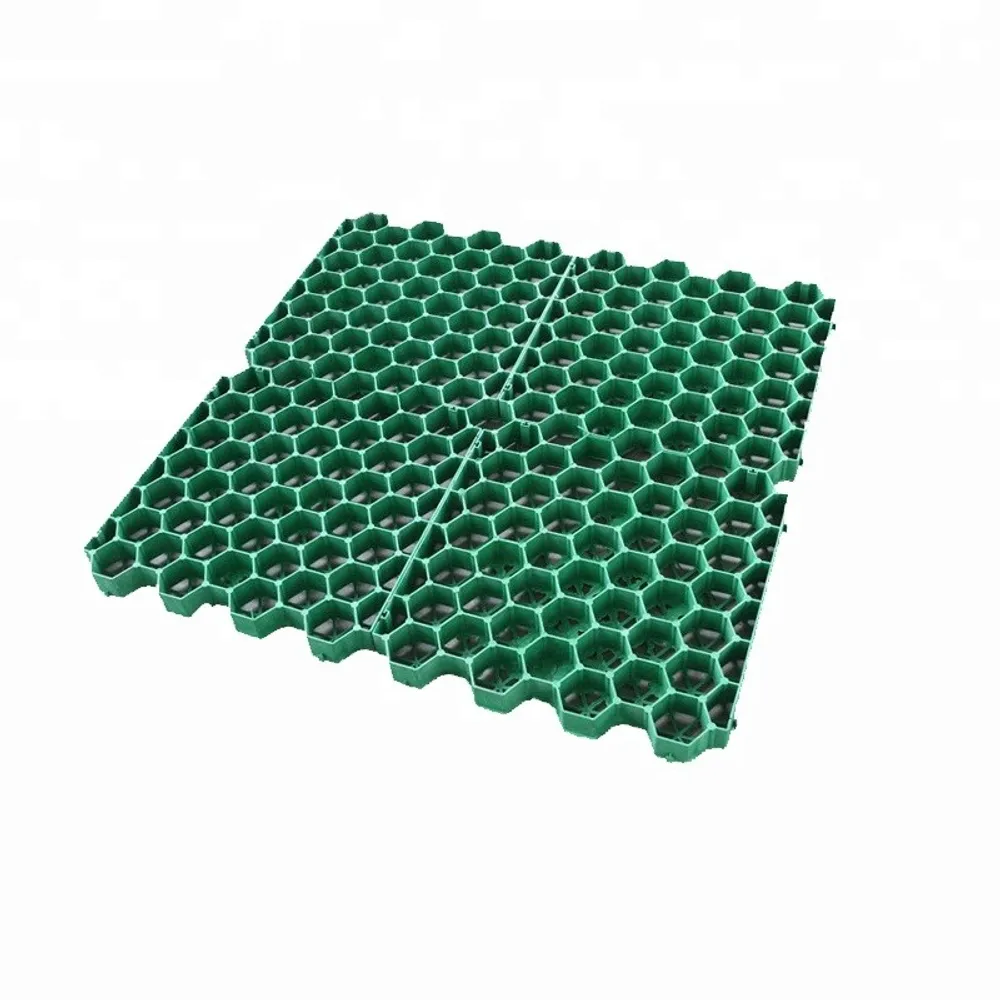
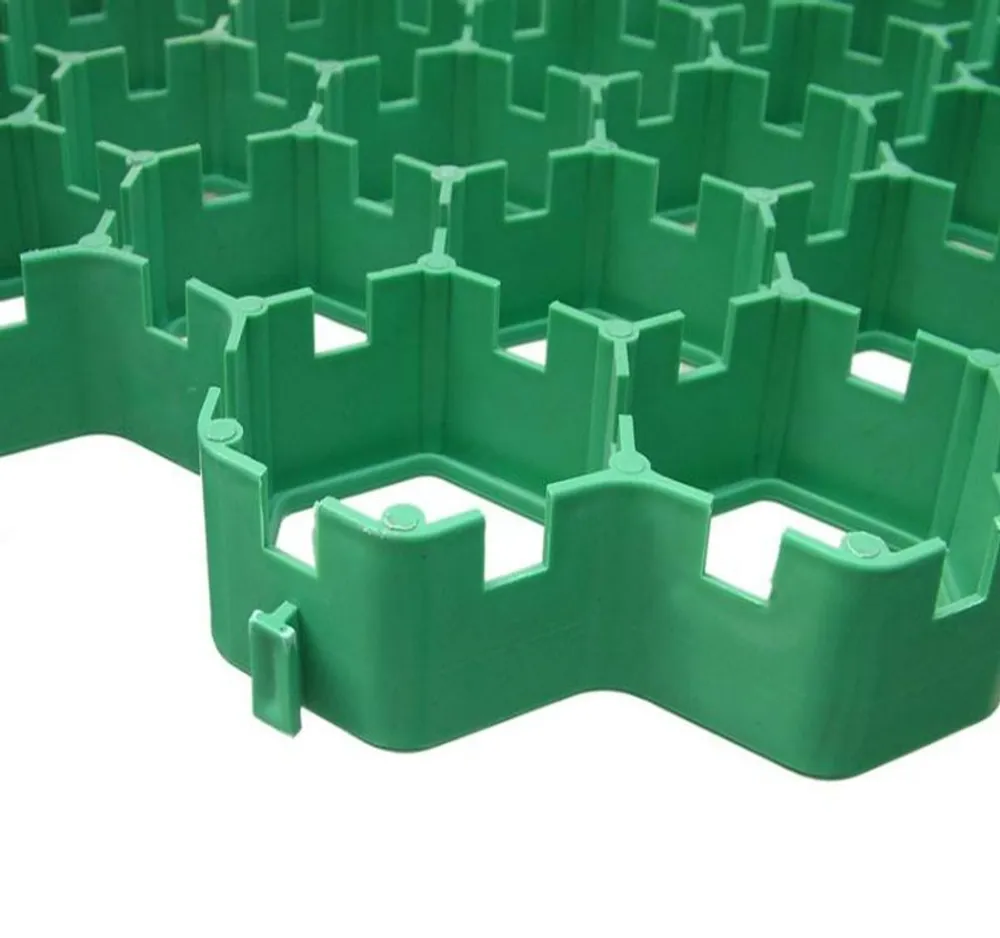
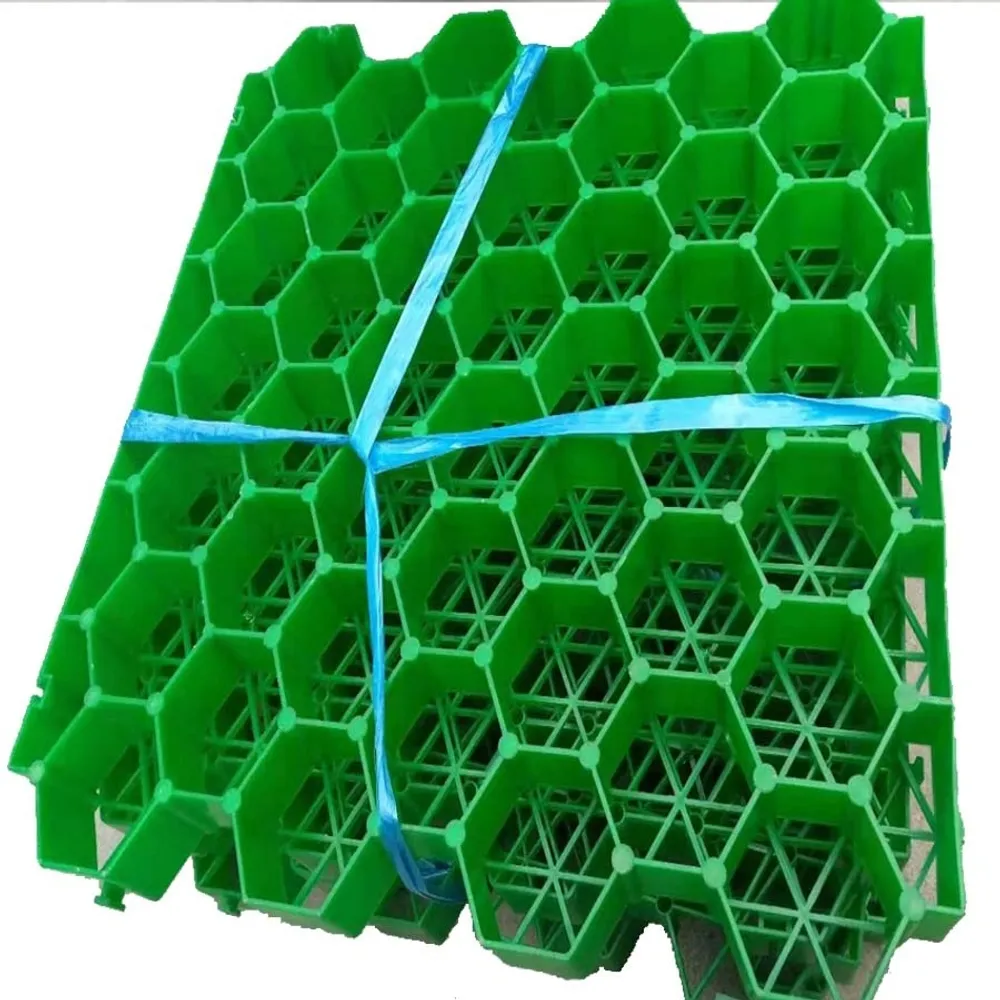
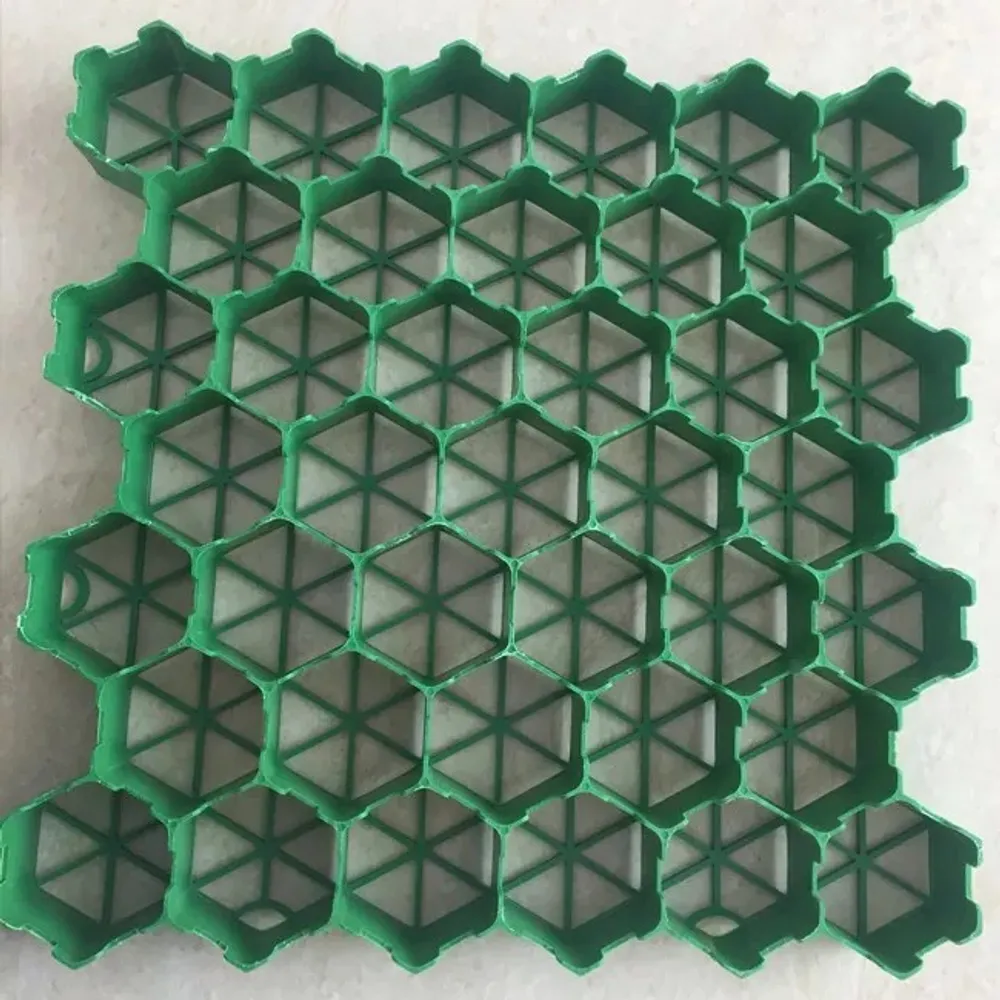
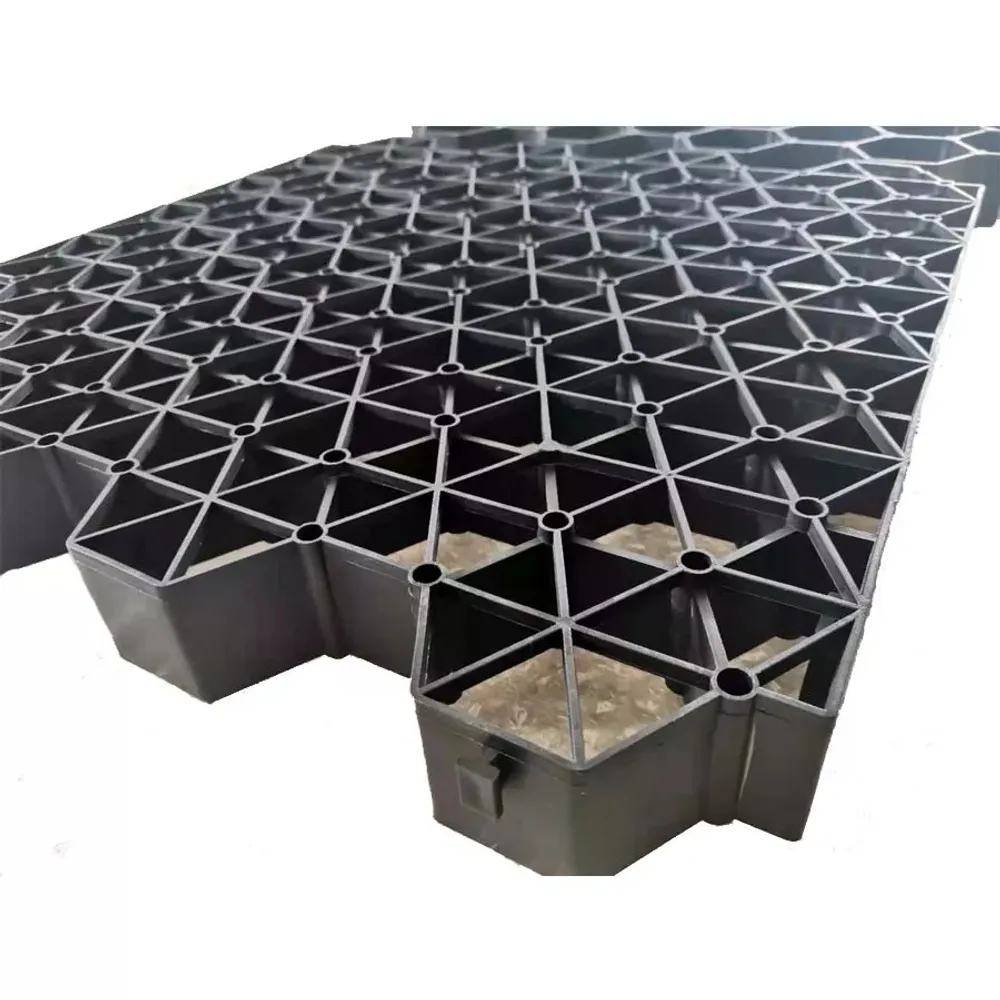
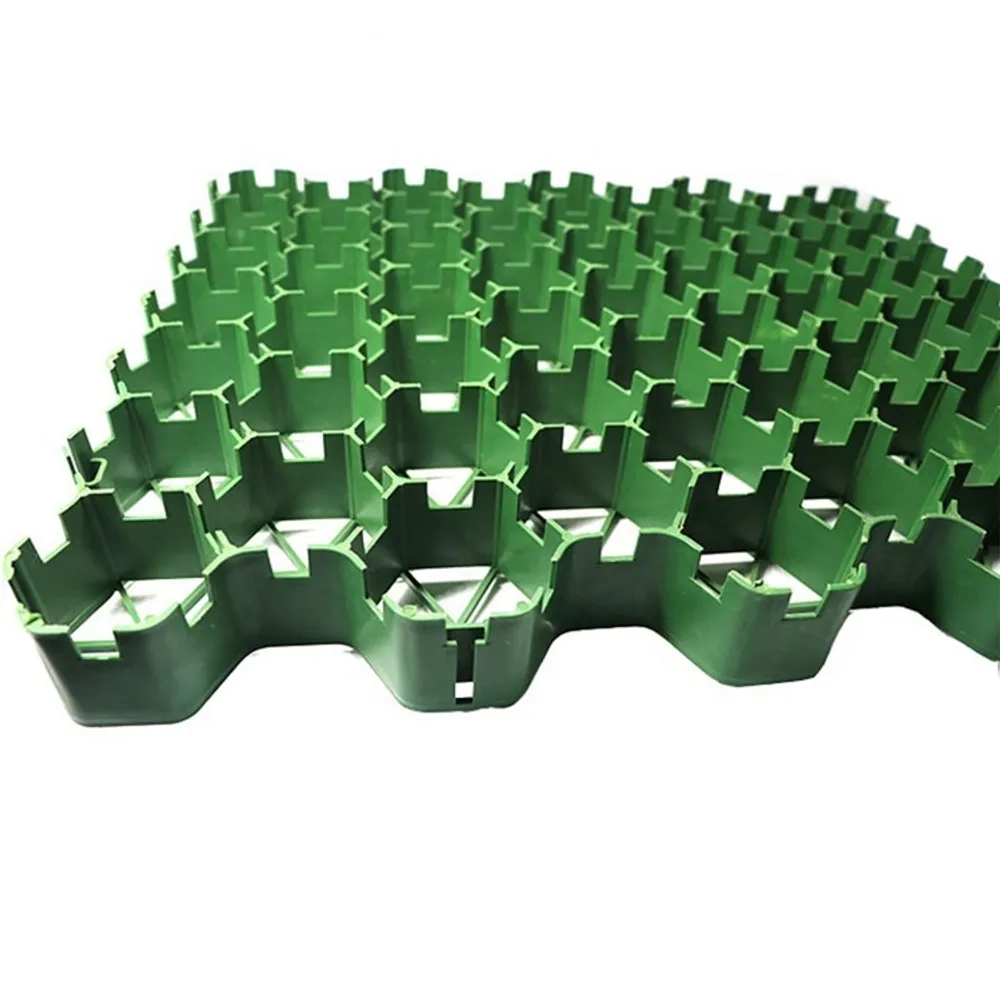
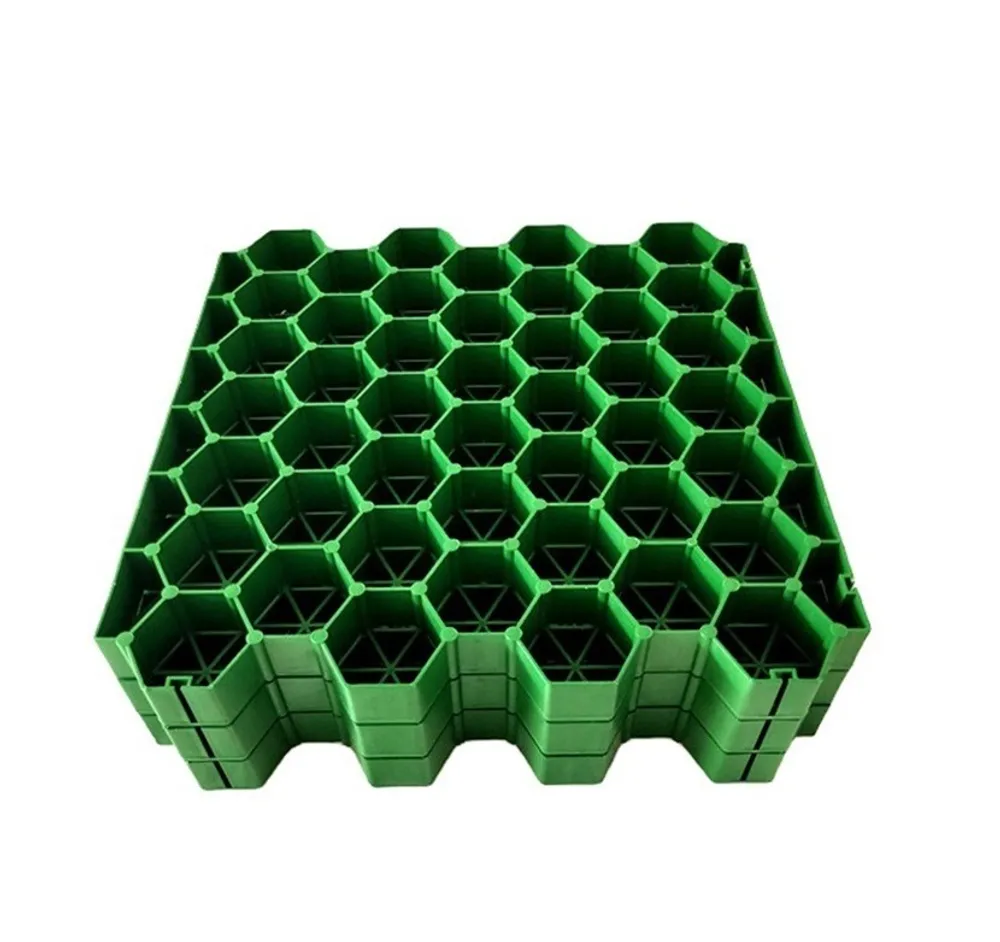
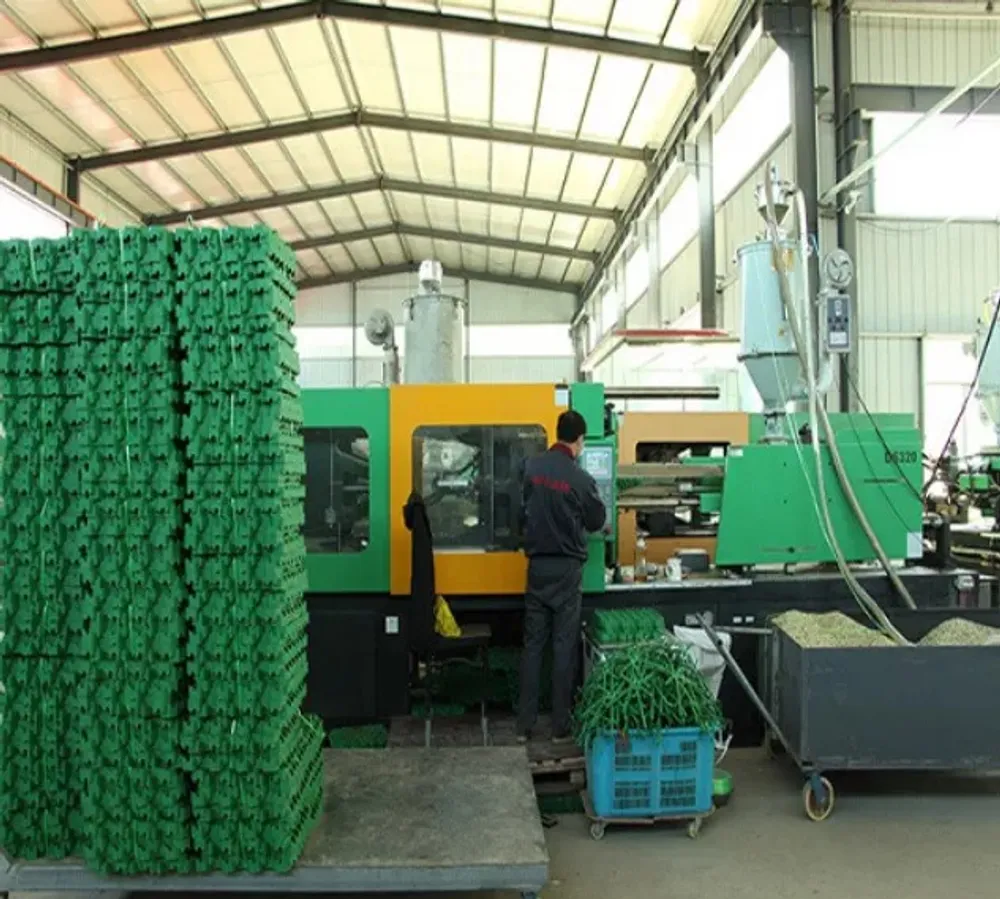
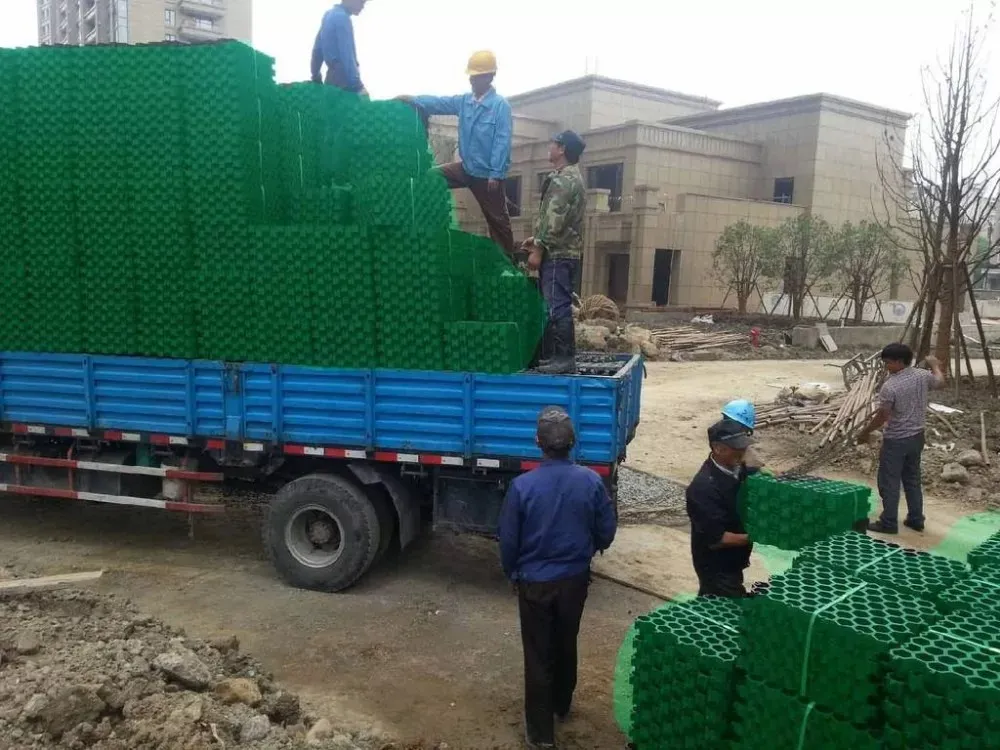
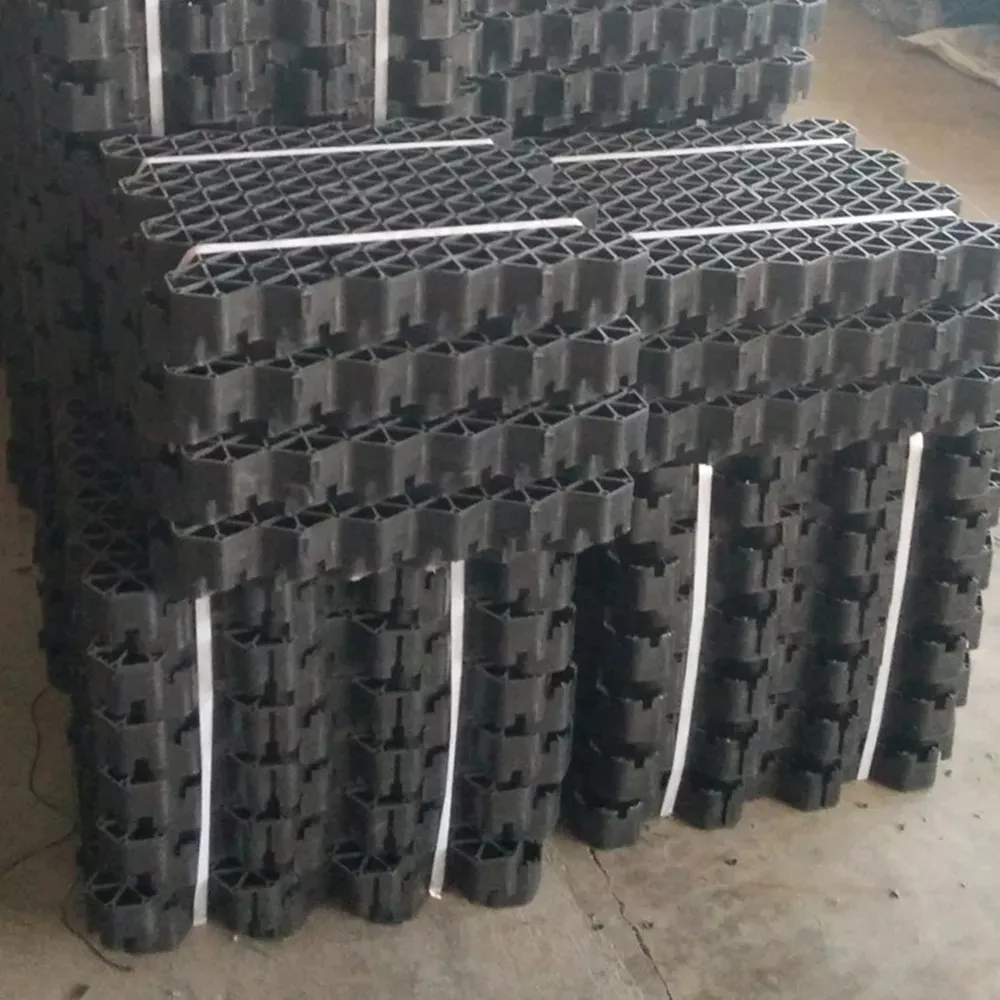
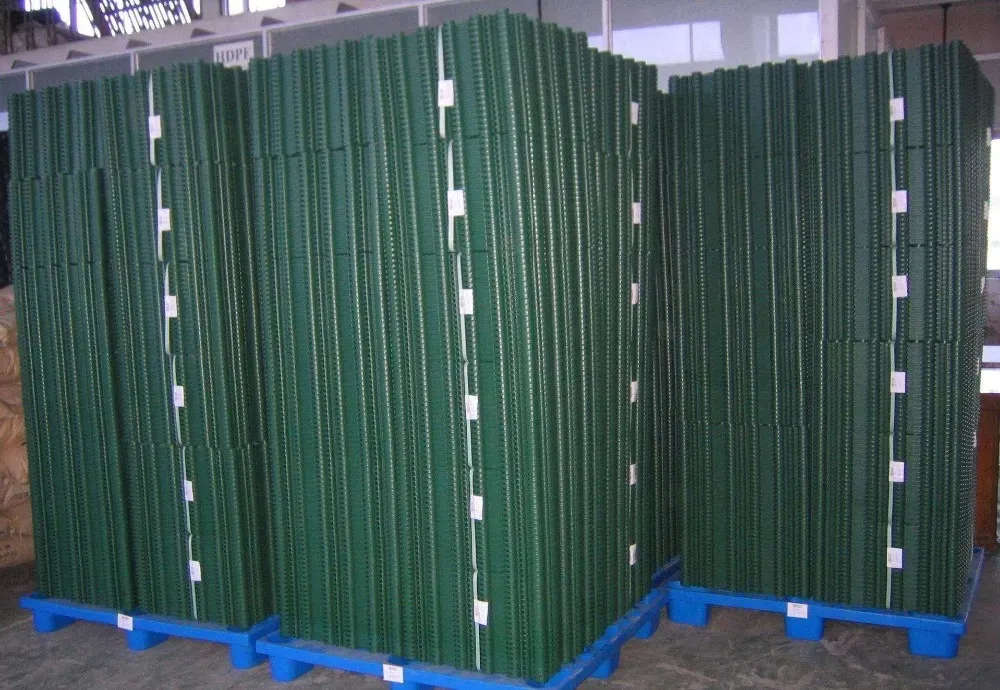
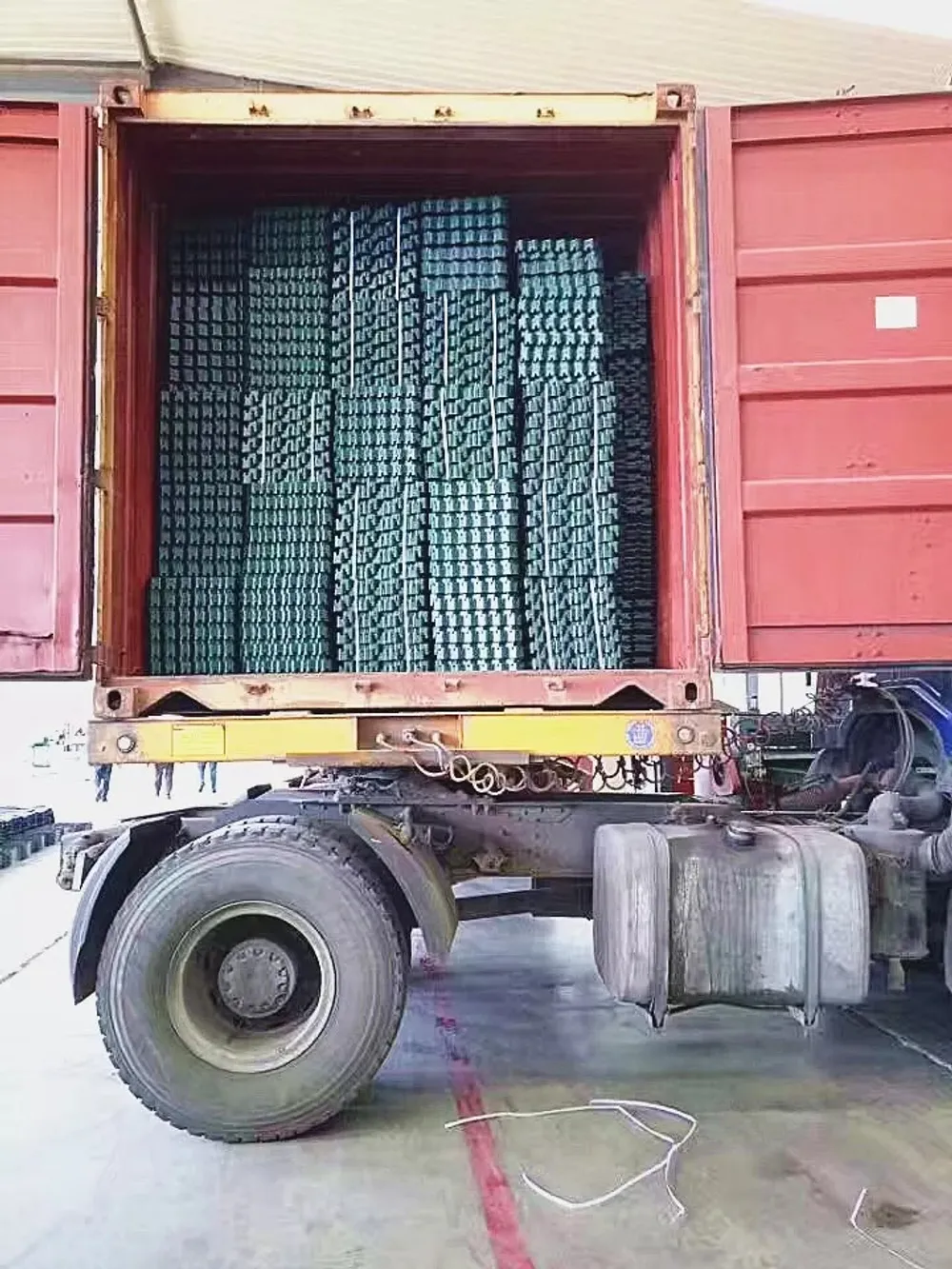
HDPE gravel grid / grass paver — manufacturer specification (no single public statutory standard). Values typical of HDPE permeable pavers; SIGMA panel dimensions and load ratings confirmed against production data.
| Property | Typical range | Notes |
|---|---|---|
| Material | High-Density Polyethylene (HDPE), often high recycled content | — |
| UV / color | Black (carbon-black UV stabilized); green available | — |
| Recyclable | Yes | — |
| Cell depth (height) | 25 – 50 mm (1" – 2") | deeper cells for heavier loads |
| Cell size (inside dia. / width) | ~55 – 80 mm (≈ 2.1" – 3.3") | hexagonal or cylindrical cells |
| Wall thickness | ~3 mm (0.12") nominal, up to ~6 mm (0.24") at load-bearing points | — |
| Open area / porosity | ~90% (≈ 93% at cell top) | high permeability |
| Connection | Interlocking tabs / male-female locking (no clips, staples or pins) | — |
| Weight | ~3 – 6.5 kg/m² (≈ 0.6 – 1.3 lb/ft²) | varies with depth |
| Compressive strength (empty) | up to ~37 MPa (≈ 5,350 psi) | grid alone; design value depends on model |
| Compressive strength (gravel-filled) | up to ~43 MPa (≈ 6,200 psi) | filled with compacted aggregate |
| Drainage rate | > 250 mm/h (≈ 10 in/h) with aggregate fill | — |
| Panel size | ~0.5 m × 0.4 m up to ~0.6 m × 0.6 m (varies by product) | supplied in pre-assembled sections |
| Fill | Clean angular gravel (≤ ~12 mm / ½") or sandy-loam topsoil + turf | — |
| Slope use | Anchors typically not required up to ~15°; staking advised on steeper slopes | — |
A gravel grid is an interlocking HDPE cellular paver whose cells confine loose gravel or grass. Pressed down to ground level, the grid and the soil share any traffic load, so the surface stays firm and does not rut or churn — making it a gravel stabilizer grid for driveways, car parks and paths. Some suppliers list it as gravel reinforcement mesh, a gravel stabilisation grid or containment grid.
Yes. Fill the cells with clean angular gravel (up to about 12 mm) for a firm permeable gravel surface, or with sandy-loam topsoil and turf for a grass driveway grid that combines lawn and parking in one. The high open area (~90%) drains rainwater naturally in both cases.
Cell depth runs 25–50 mm, with deeper cells for heavier loads, and a gravel-filled grid carries high bearing stress. Because compressive-strength figures describe the loaded grid (not a single cell) and vary widely by model, we confirm SIGMA cell height, wall thickness, panel size and load rating from our datasheet for your application.
The panels snap together with interlocking tabs — no clips, staples or pins. Anchors are typically not required up to about 15° slope; on steeper ground staking is advised. Panels are reusable and easy to lift and relay.
Lay the grid on a compacted, free-draining sub-base, snap the panels together with their interlocking tabs, fill the cells with clean angular gravel or topsoil and turf, then compact lightly so the fill sits just proud of the cell tops. On slopes steeper than about 15° add staking. The whole job needs no special equipment and the panels can be lifted and relaid later.
Yes — with around 90% open area the grid is fully permeable, so rainwater drains straight through the gravel or grass fill instead of ponding or running off. On weed-prone or soft ground many installers lay a geotextile membrane under the grid to separate the sub-base and suppress weeds; it is not part of the grid itself but is easy to add.
The grid is supplied in pre-assembled panels; minimum order, price per square metre and lead time depend on the cell depth and panel size you choose. The lightweight HDPE panels nest and stack, so they ship economically by sea container — send us the area, the traffic and your country and we will confirm the specification, MOQ, price and container packing.
Tell us quantity, destination port, and any questions — we reply within one business day.
Geomembrane Smooth HDPE geomembrane liner to GRI-GM13 — an impermeable high density polyethylene pond liner for landfill, water and containment, 0.75–3.0 mm.
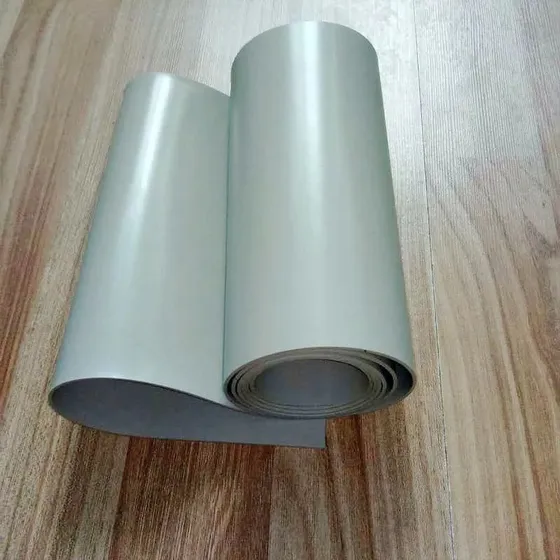 Geomembrane
 Flexible PVC geomembrane and PVC pond liner to ASTM D7176 / PGI-1104 — a non-reinforced polyvinyl chloride liner, 10–60 mil, for ponds and containment.
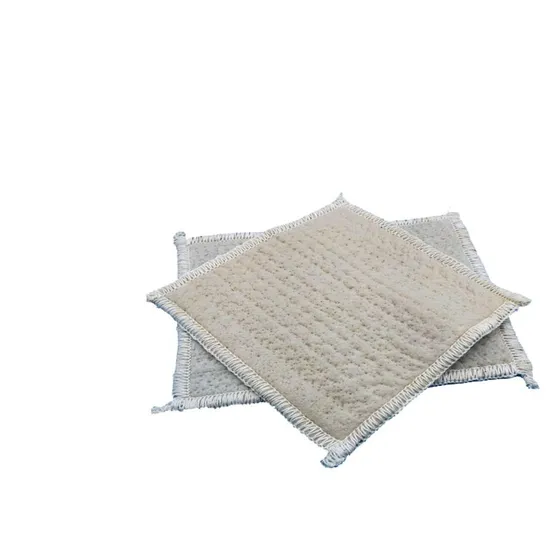 GCL
GCL Needle-punched reinforced sodium bentonite geosynthetic clay liner (GCL) to GRI-GCL3 — a self-sealing clay liner for ponds, landfills and containment.