Textured perforated geocell explained
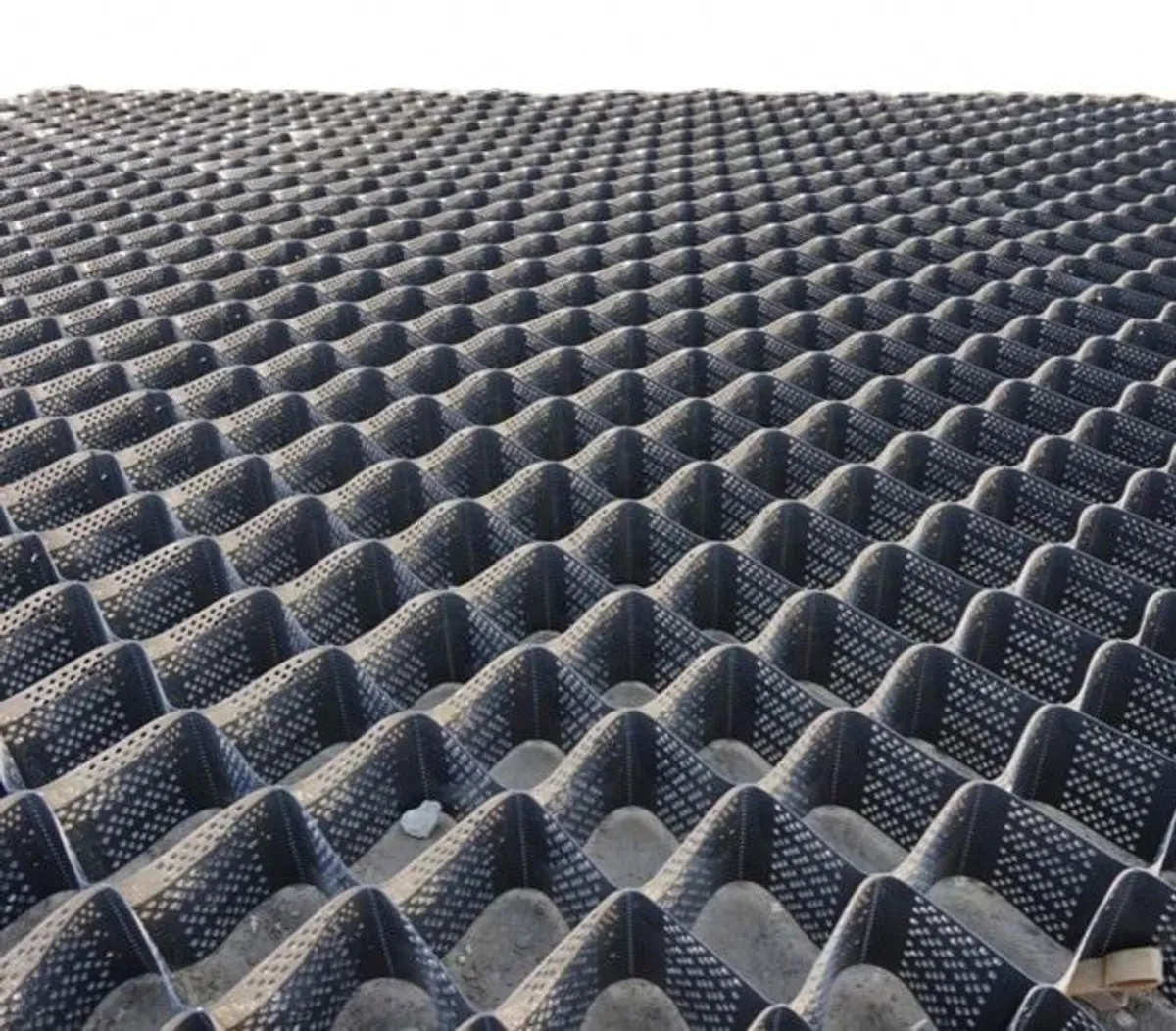
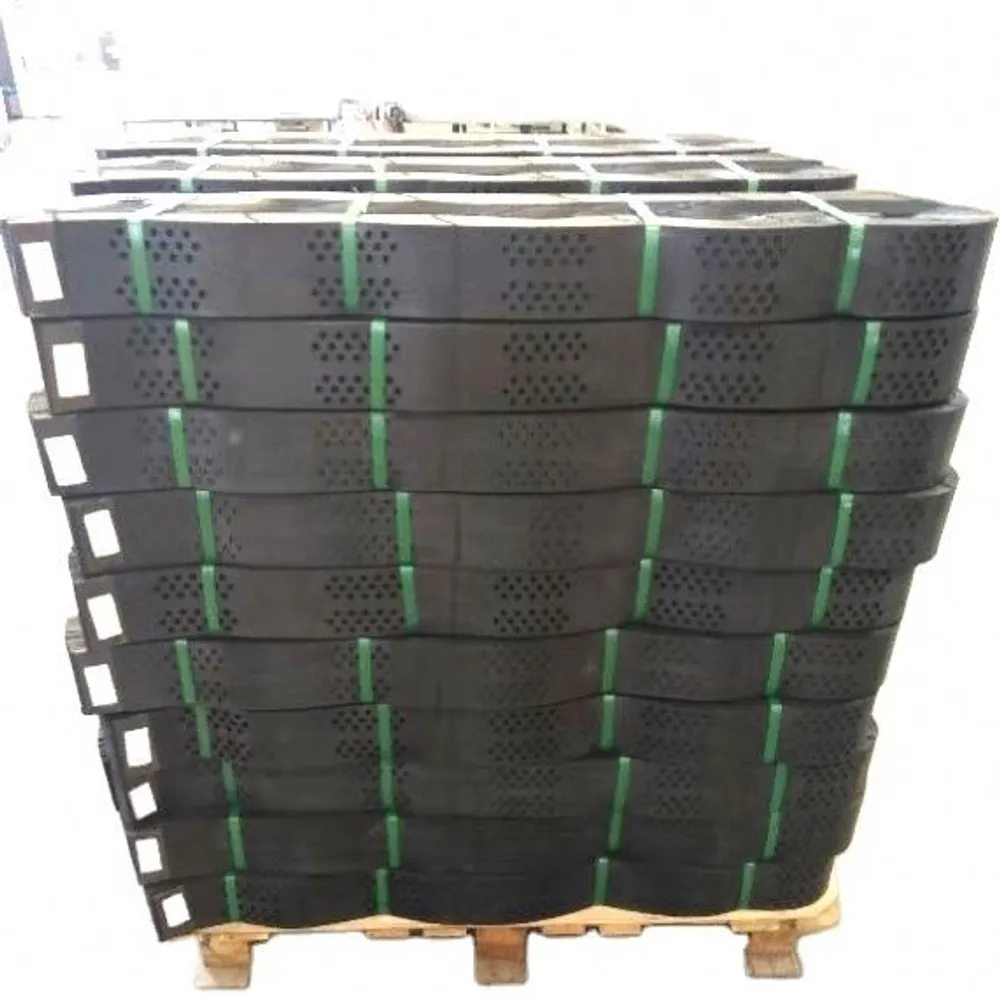
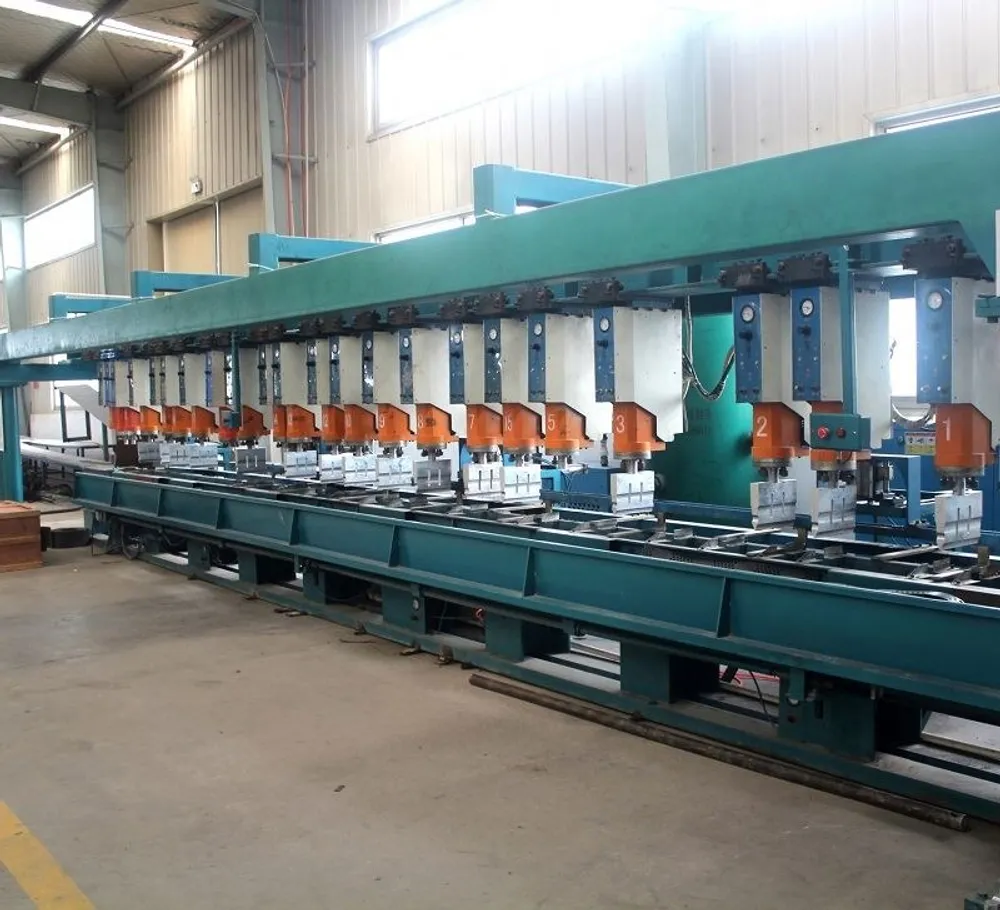
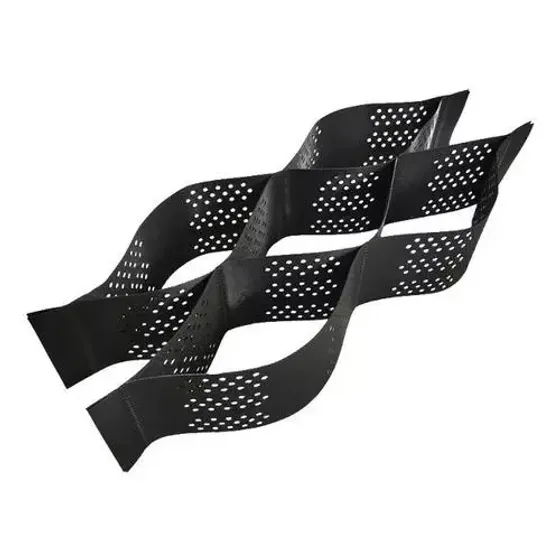
Like the smooth grade, this HDPE geocell is a three-dimensional honeycomb of high density polyethylene strips welded by ultrasonic technique, folded flat for transport and expanded into a web on site. The difference is the cell wall: it is textured to raise the friction angle with the infill and perforated so that water and fine soil pass between cells. The result is a perforated geocell that grips its fill more positively and drains laterally — useful where a smooth cell would be too slick for the slope.
Why choose a perforated geocell
The texturing and perforations give extra interface friction and soil interlock, so the textured HDPE geocell can confine infill on steeper grades and under more demanding load support. The perforations also relieve pore pressure behind the confined fill, helping vegetated slope faces establish and stay stable. It serves the same roles as the smooth cell — geocell for slope protection, gravel driveway and ground grid stabilization, roadbed reinforcement and load support — wherever higher friction or drainage is needed.
Vegetated slope protection with a perforated geocell
The perforations make this grade the natural choice for green, vegetated slope protection. Filled with topsoil and seeded or planted, the textured HDPE geocell confines the growing medium against wash-out while the perforations let roots, water and fine soil pass between cells, so a continuous root mat can knit the face together. The same drainage relieves pore pressure behind the confined fill, which keeps a saturated slope stable through heavy rain — a frequent failure mode for unconfined topsoil. It works as a geocell for slope protection and slope stabilization on grades too steep for a smooth cell.
Installation and selection
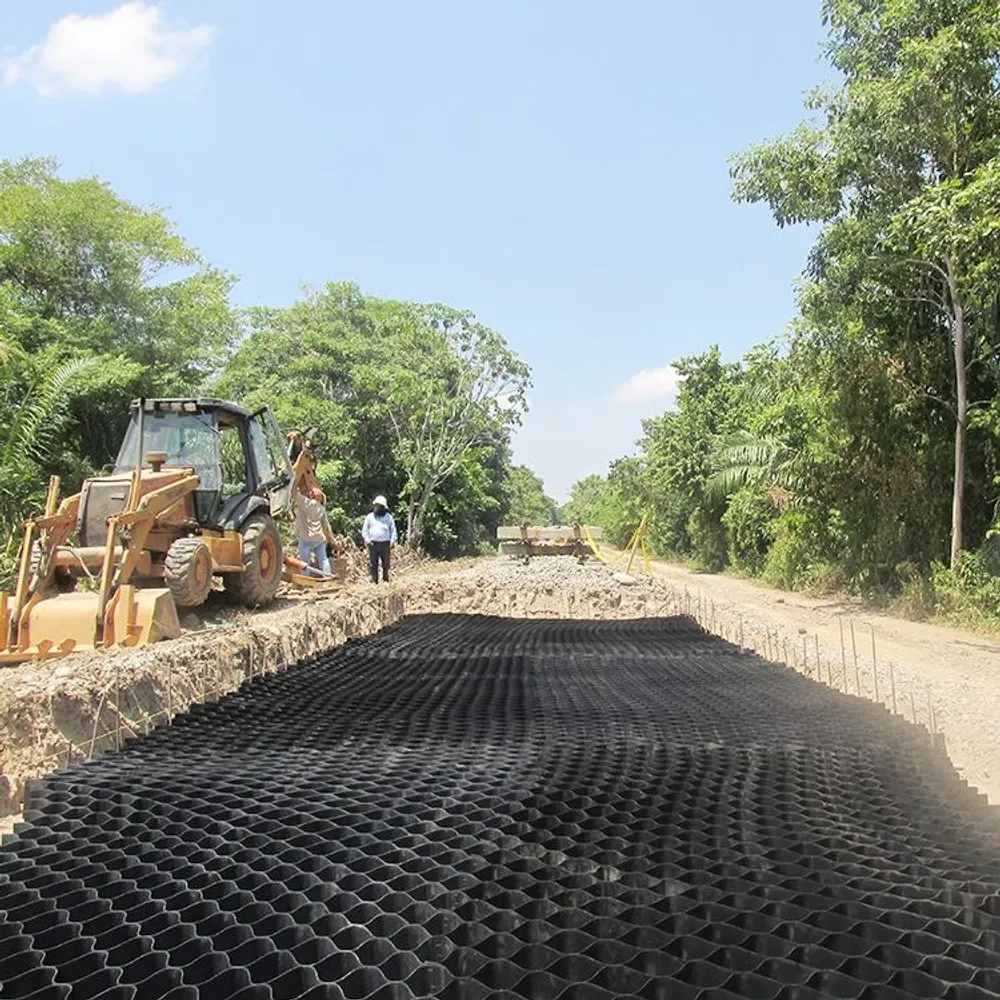
The textured perforated geocell is delivered folded, opened across the prepared subgrade, staked, and filled with soil, gravel or topsoil for vegetation. Because load is shared across the rigid cell network, it raises bearing capacity and reduces the aggregate thickness required. For steeper revetments it pairs naturally with confinement systems such as a gravel grid; cell depth, perforation pattern and strip data are confirmed against the SIGMA data sheet. Where higher friction or drainage is not needed, the smooth HDPE geocell is the more economical grade.
Quality and ordering
SIGMA manufactures the textured perforated geocell from virgin high density polyethylene and controls the cell texture, perforation pattern and seam weld in-house, so the friction and drainage you specify are what the panels deliver. Like the smooth grade it folds flat, so a large coverage area ships in a small container volume for export. Tell us the slope angle, load and area, and whether the face will be vegetated, and we will recommend a cell depth, strip thickness and perforation pattern from the SIGMA data sheet and return a price and lead time.

 Geocell