
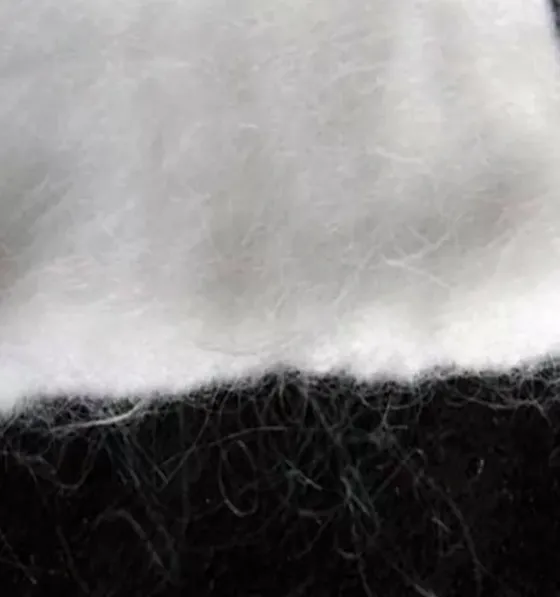
 Geotextile
 Nonwoven Geotextile
Needle-punched nonwoven geotextile fabric (PET / PP staple fiber) to AASHTO M288 — for filtration, separation, drainage and protection in French drains.
- AASHTO M288
- Needle-punched · ≥50% elong.
- Filtration · Drainage
Why a pond liner and underlay work as a pair, how to pick nonwoven fabric weight for pond underlayment, and when a sandy subgrade lets you skip it.
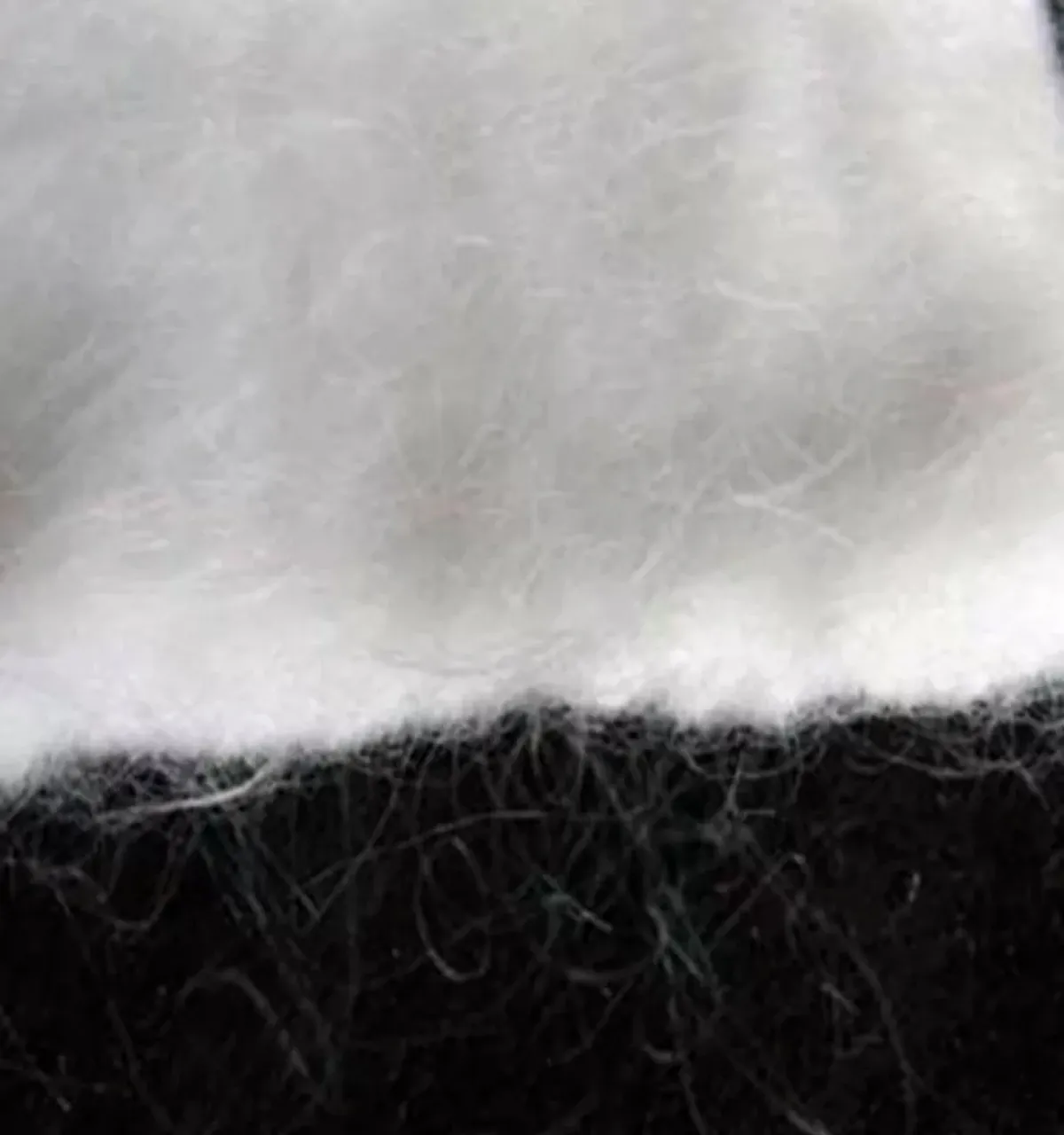
A pond liner and underlay are sold and installed as a pair for a reason: the liner holds water, and the underlayment underneath is what stops the liner from being punctured by whatever is under it. A geomembrane sheet on its own has no cushioning against a stone, a root or an uneven patch of subgrade — the weight of the water above presses the liner down onto that point until it wears through, often slowly enough that the leak is not obvious until the water level has already dropped. Pond liner underlay is the sacrificial, permeable layer that spreads that load out instead of letting it concentrate on the membrane, taking the abrasion and point pressure so the liner above it does not have to.
The product used as geotextile pond underlay is a needle-punched nonwoven geotextile, also called pond underlay fleece, made in commercial weights from roughly 100 to 800 g/m². Lighter weights around 150–200 g/m² are enough cushioning for a small ornamental or koi pond on a graded, stone-free bed. Larger ponds, rougher subgrades, or liners under gravel or rock cover should move up to 300–500 g/m², and anything with sharp fill material or heavy foot traffic during construction justifies the heavier end of the range. Pond underlayment fabric is sold by weight rather than by a single fixed grade because the punishment it takes varies that much by site — a gravel-bed reservoir and a hand-dug backyard pond are not protected by the same material, even though both are called pond liner underlay.
Roll the fabric out over the graded, cleared subgrade before the liner goes in, working from the base up the banks the same way the liner itself will be laid. Overlap adjacent panels by roughly 300 mm so there is no gap for a stone or root to reach the liner through a seam, and carry the underlayment slightly past where the liner will be trimmed so the cushion covers the full wetted area including the anchor trench. It does not need gluing or seaming — the liner going down on top holds it in place — but it does need to lie flat, without folds that would themselves become a pressure point under the membrane. On a shelf or step for marginal planting, cut the fabric to follow the shape rather than stretching one piece over the change in level, since a stretched patch thins out exactly where the extra cushioning is needed most.
On a clean, well-graded sand or fine soil base with no stones, roots or debris, a thicker liner on its own can go down without a cushion layer and hold up fine — the underlayment earns its keep by handling a subgrade that is not perfectly clean, and plenty of ponds simply do not have one. The trade-off is thickness versus cushioning: skipping the fabric only makes sense if you have genuinely verified the bed is free of anything that could puncture the liner, not as a shortcut to save a step. Even on a clean base, it is worth remembering that the ground can change after the pond is dug — frost heave, settling backfill or a root growing in from a nearby tree can introduce exactly the point loads the fabric was meant to guard against, which is why most installers treat the underlayment as cheap insurance rather than an optional extra.
Koi pond underlayment gets treated more carefully than a farm pond liner because a punctured liner in a koi pond means a costly leak and a stressed or lost fish stock, not just a lower water level. Use the fabric under the full liner area including any bog or filtration shelf, and keep the same overlap and flat-lay discipline at the pond's tightest corners and shelves, where folds are most likely to bunch up unnoticed. Because koi ponds are usually deeper and more heavily filtered than an ornamental pond, they also see more foot traffic during construction and maintenance, so specifying underlayment toward the heavier end of the weight range is a reasonable default even where the subgrade itself looks clean. For the full step-by-step on preparing the base, laying the liner and finishing the edge, see our how to line a pond guide; for liner material and thickness selection, see pond liner.
Free Geosynthetics Spec & Selection Guide
Material grades, thickness/GSM sizing and price ranges for your project — sent to your inbox.
Geotextile Needle-punched nonwoven geotextile fabric (PET / PP staple fiber) to AASHTO M288 — for filtration, separation, drainage and protection in French drains.
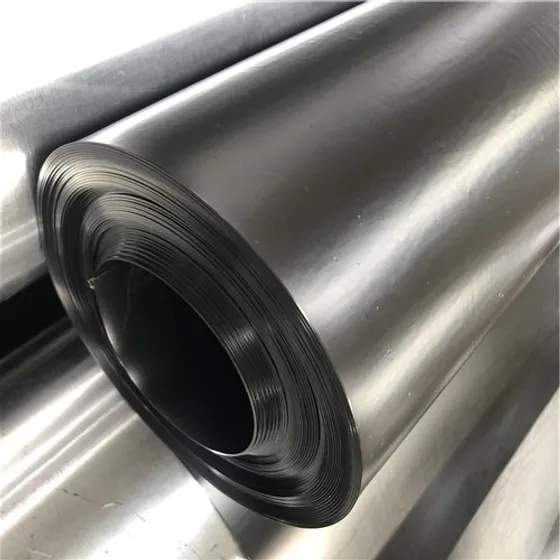 Geomembrane
 Smooth HDPE geomembrane liner to GRI-GM13 — an impermeable high density polyethylene pond liner for landfill, water and containment, 0.75–3.0 mm.
Tell us your application and quantity — our English-speaking team replies within one business day.