
Geotube for Marine Structures: Breakwaters, Groynes and Shoreline Protection
How geotube is used as a marine geotube core for breakwaters, groynes and revetments, how it compares with dredging, and how it is filled and finished.
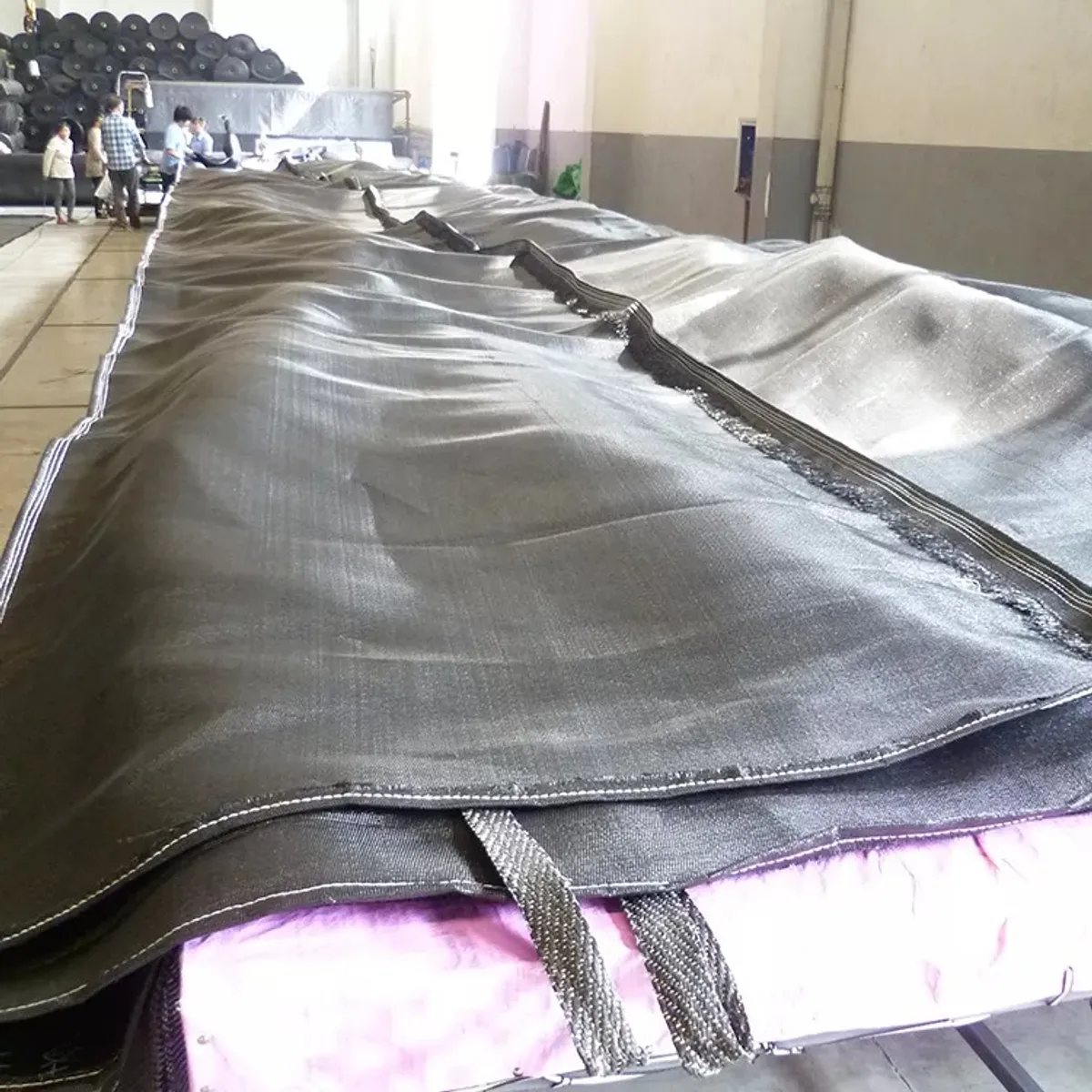
Geotube as a marine and coastal structure
A geotube is not only a dewatering container — sand-filled, it becomes the core of a shoreline structure. A geotube breakwater is built by stacking or laying tubes to break incoming wave energy before it reaches the beach, while the same tube laid perpendicular to the shore forms a groyne that traps littoral sand and slows longshore erosion. Along an eroding bank, a marine geotube buried under sand or rock armour works as a submerged or emergent revetment core, holding the toe of the slope while the visible surface is finished to match the site. Because the tube is filled with locally available sand rather than quarried rock, the same basic unit scales from a single groyne protecting one stretch of beach up to a continuous breakwater line protecting a harbour mouth or a stretch of developed coastline.
Geotube vs dredging: a different way to manage sediment
Traditional shoreline and channel maintenance often means dredging the seabed and disposing of spoil elsewhere, then trucking in rock or concrete for the structure itself — two separate operations with two separate costs. Geotube vs dredging is not strictly an either-or choice — a geotube can be filled with dredged material rather than fighting it, turning the spoil that would otherwise need disposal into fill for the structure, so a channel-maintenance dredge and a shoreline-protection build happen in the same operation. Compared with a rock or concrete breakwater, a geotube core needs a fraction of the quarried material and heavy-lift equipment, and it can be built in soft-seabed locations where a rock structure would simply sink into the mud before it ever reached design height. Disposal of dredged spoil is also often the harder half of a maintenance dredge to permit; reusing that material as tube fill sidesteps the disposal-site question rather than solving it after the fact.
Filling and construction on site
Marine geotube construction follows the same three-stage process as dewatering duty, scaled to a coastal fill: the tube is laid out on the prepared line, filled through spaced ports with a sand-water slurry pumped from a nearby borrow source or dredge line, and the water drains through the woven fabric walls while the sand consolidates inside. Tubes are filled in stages rather than all at once, letting each lift settle before the next, and adjacent tubes are placed and filled in sequence to build up a continuous breakwater or groyne line. Because a filled tube is too heavy to move, marine placement plans the final position before filling begins, with the tube typically staked or anchored to the seabed during the first fill stage so tidal movement and wave action cannot shift it out of alignment before it has enough weight to hold its own position.
Durability in a marine environment
Marine service means constant UV exposure above the waterline, saltwater immersion below it, and abrasion from wave-driven sand — all of which the woven geotextile fabric is built for. Standard-grade fabric retains 80% of its strength after 500 hours of UV exposure and the heavy grade retains 85%, and both are woven from polypropylene or polyester yarn that does not rot or corrode in salt water the way natural fibre or steel would. Exposed tube surfaces are typically covered with rock armour, sand or vegetation once filled, which protects the fabric further and gives the finished structure a natural shoreline profile rather than a visible geotextile surface. For a structure that will stay permanently visible at the waterline, the heavier fabric grade is generally worth specifying up front, since re-armouring a tube after the cover material has washed away is far more disruptive than building the extra fabric margin in from the start.
Sizing and sourcing a marine geotube
Tube diameter, circumference and length are set by the wave climate, water depth and the volume of fill available on site — diameters from 1.0 to 5.0 m and lengths of 20, 30, 50 or 100 m cover most breakwater, groyne and revetment cores, built up in as many tube layers as the design calls for. A stacked, pyramid-style arrangement of two or three tube layers is common where wave height demands more crest elevation than a single tube can provide. Smaller sewn units, our geobag, suit lower-volume shoreline protection or scour aprons where a full tube is more than the job needs. For the dewatering side of the same product line, see our geotube dewatering guide; for a marine or coastal project, send us the wave and water-depth data and expected fill source and we will size the tube and fabric grade.
Free Geosynthetics Spec & Selection Guide
Material grades, thickness/GSM sizing and price ranges for your project — sent to your inbox.
Related product
View GeotubeNeed a quote or a spec check?
Tell us your application and quantity — our English-speaking team replies within one business day.