What a geotube does
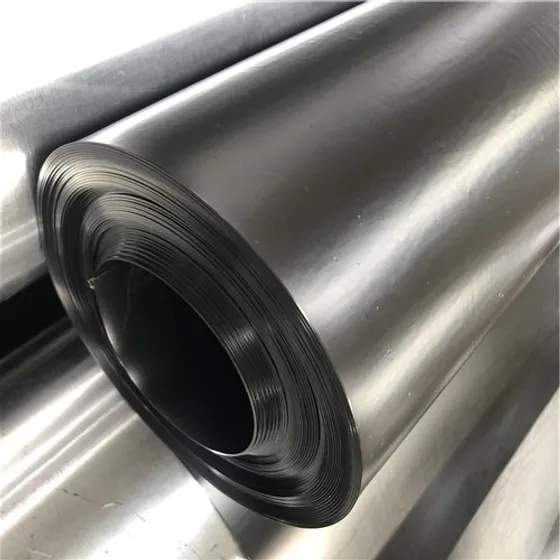
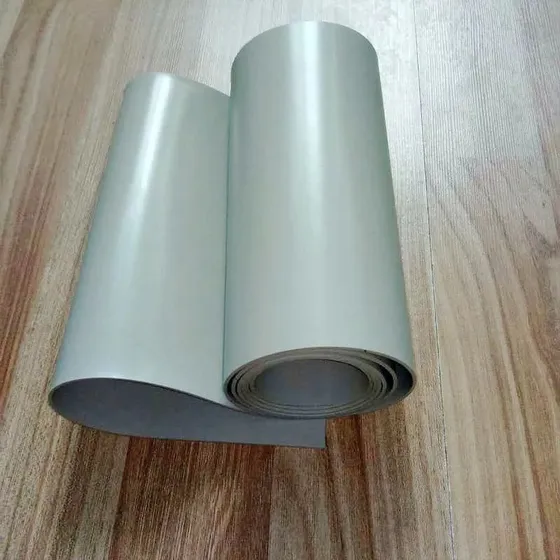
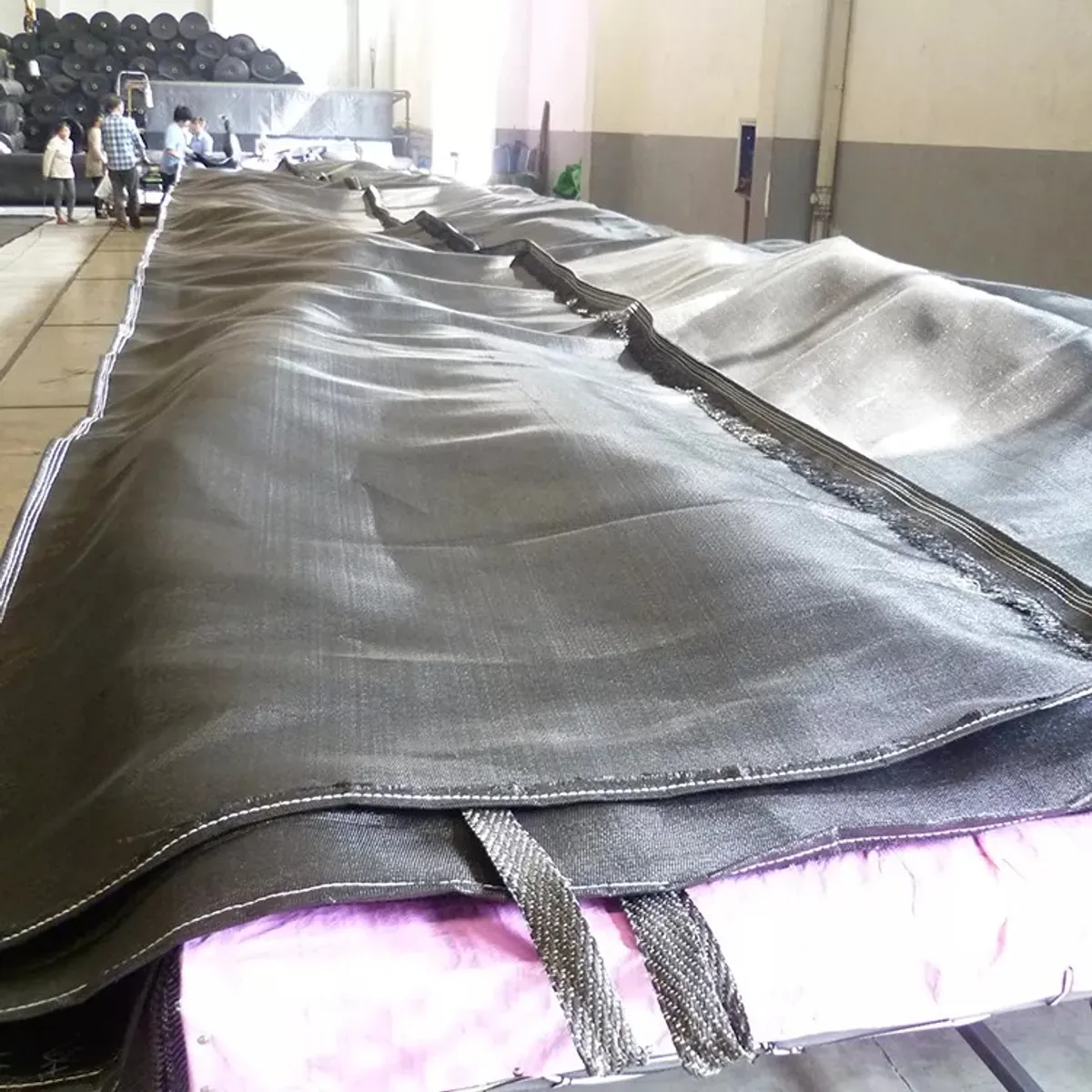
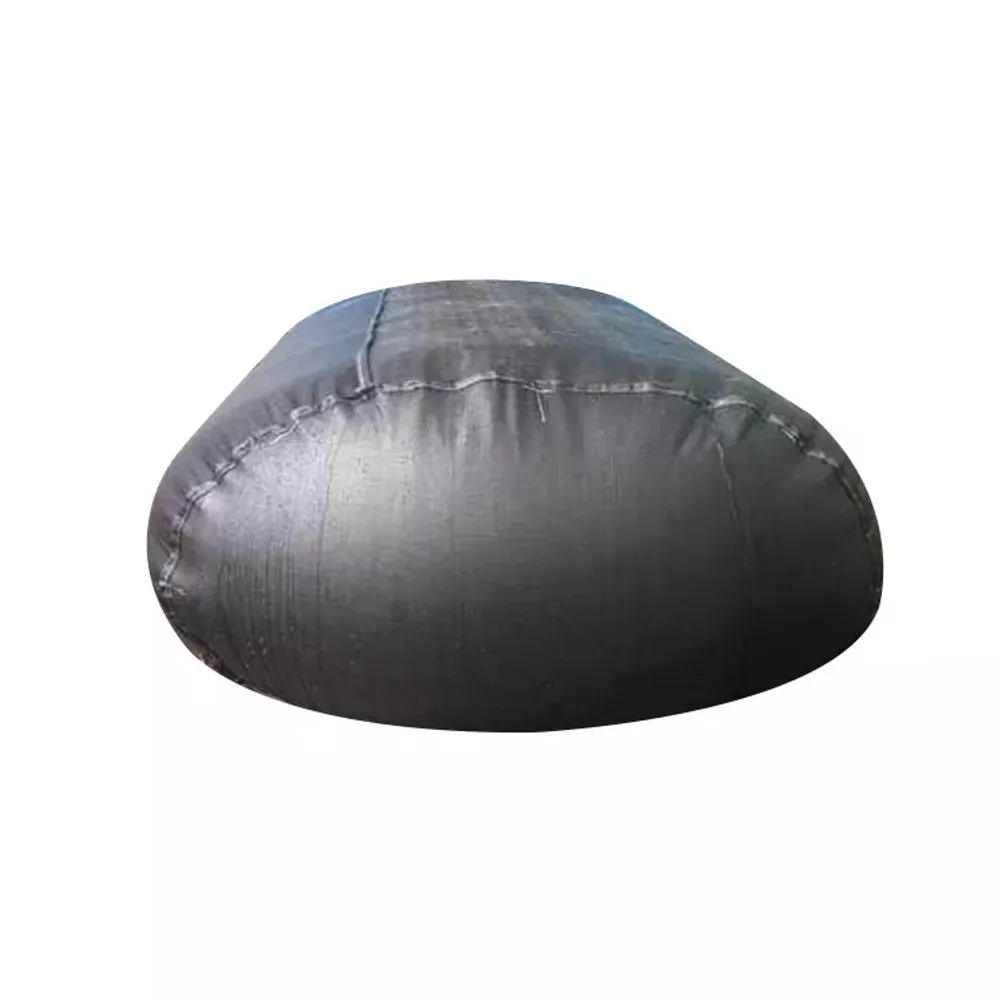
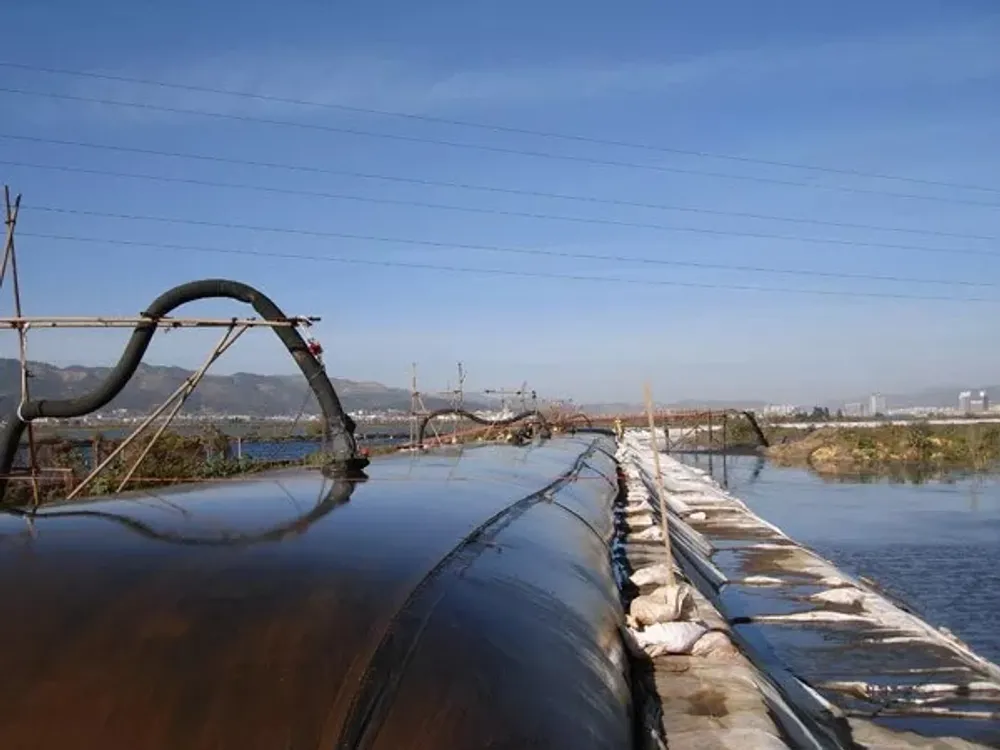
A geotube — or geotextile tube — is a large dewatering container prefabricated using high-strength, quality seaming techniques into tubular, bag-like or other forms with filling ports for site filling. Slurry is pumped in; water filters out through the woven geotextile walls while solids stay contained inside. SIGMA Tube is designed to optimize solids retention and the effluent discharge rate and quality, making this dewatering geotube a highly efficient and environmentally friendly solution for a range of sludge dewatering applications.
The three-stage dewatering process
Dewatering with a geotube follows a simple cycle. First the tube is filled with processed slurry, confining the solids inside. Second, the geotube lets water drain through the fabric walls as clean filtrate while still retaining the solids. Third, desiccation continues to reduce the water content of the consolidated cake over the following days and weeks. The dried solids can then be deposited, combusted or land-applied. Repeated fill cycles can be run into the same tube, so geotextile dewatering tubes handle large volumes from a small footprint.
Why buyers choose the geotube
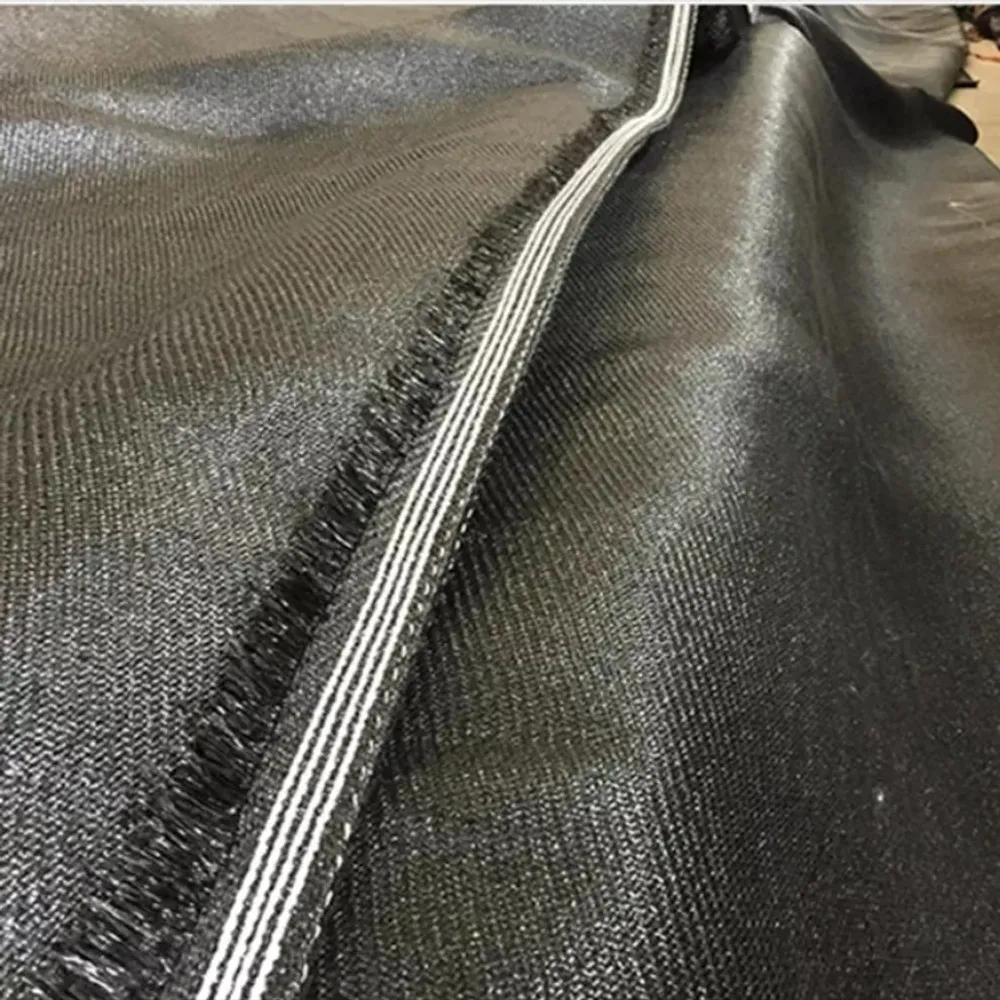
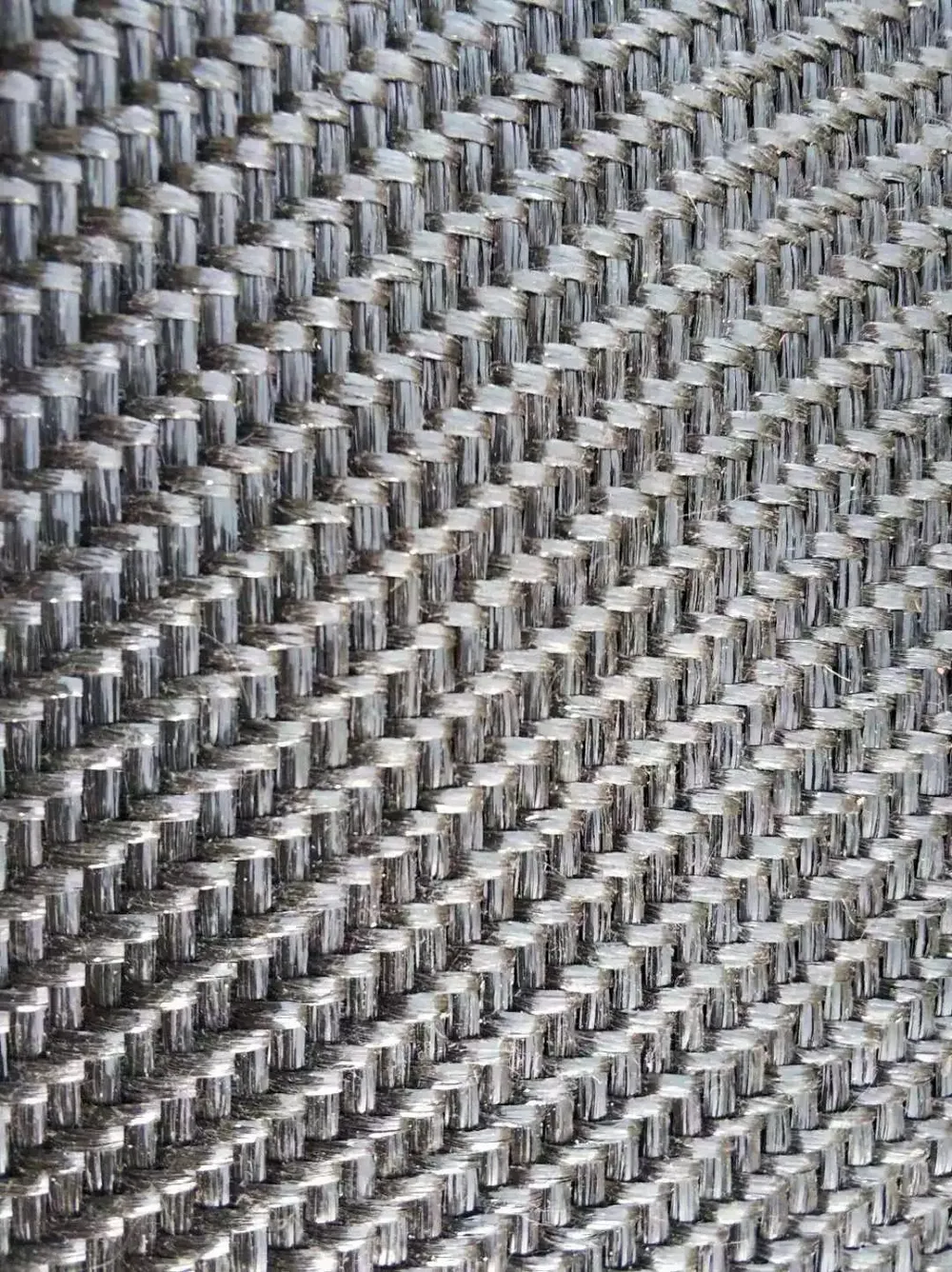
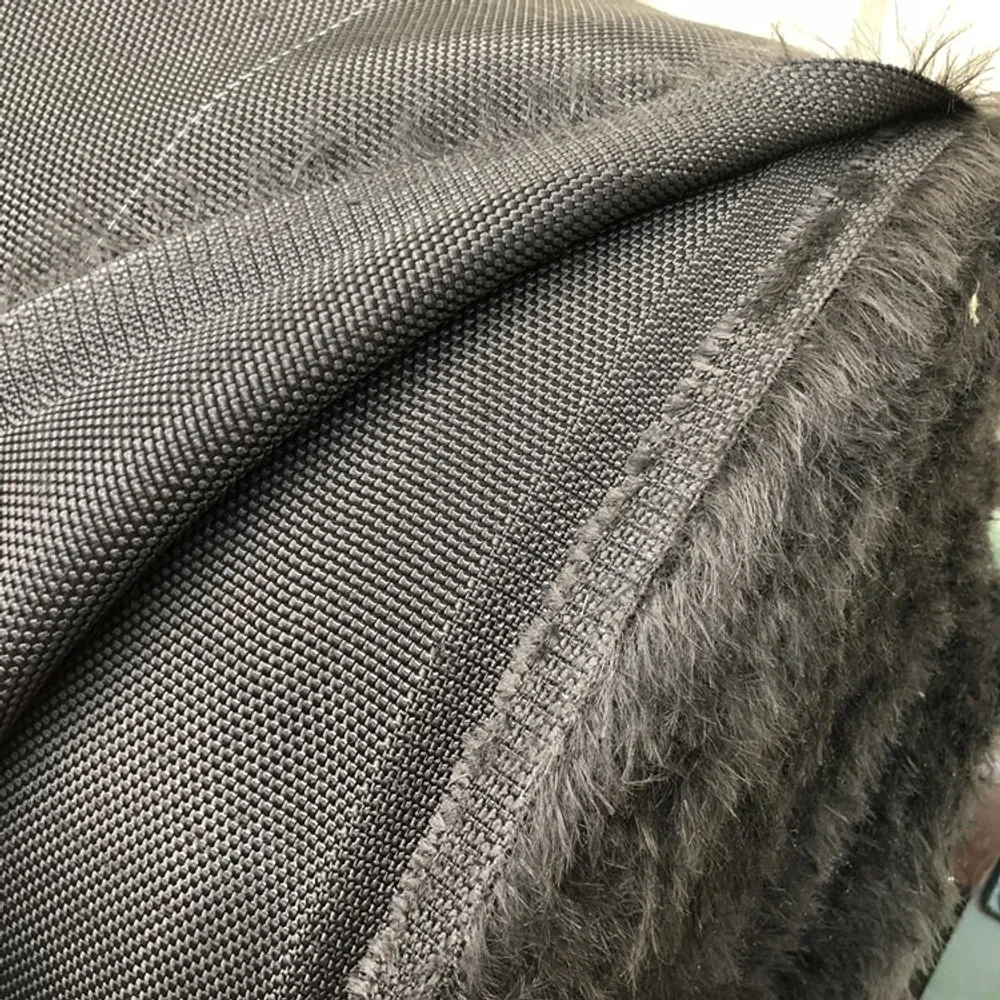
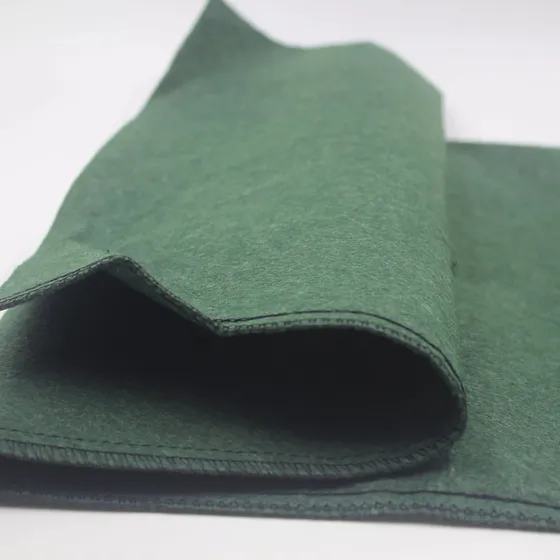
The geotextile tube is easy and fast to install and fill, treats high flow rates and delivers a high quality of filtrate, with considerable savings on cost and lower environmental impact. The containers are custom-sized to save land space and are ideal for sites where space is a constraint. The defining specification is the woven geotextile fabric — its tensile, seam, opening size and flow properties — while the finished tube circumference, length and fill volume are set per project. Smaller geotube bags and geo bags suit polishing or low-volume jobs; full-size tubes handle municipal and dredging quantities.
Choosing a fabric grade
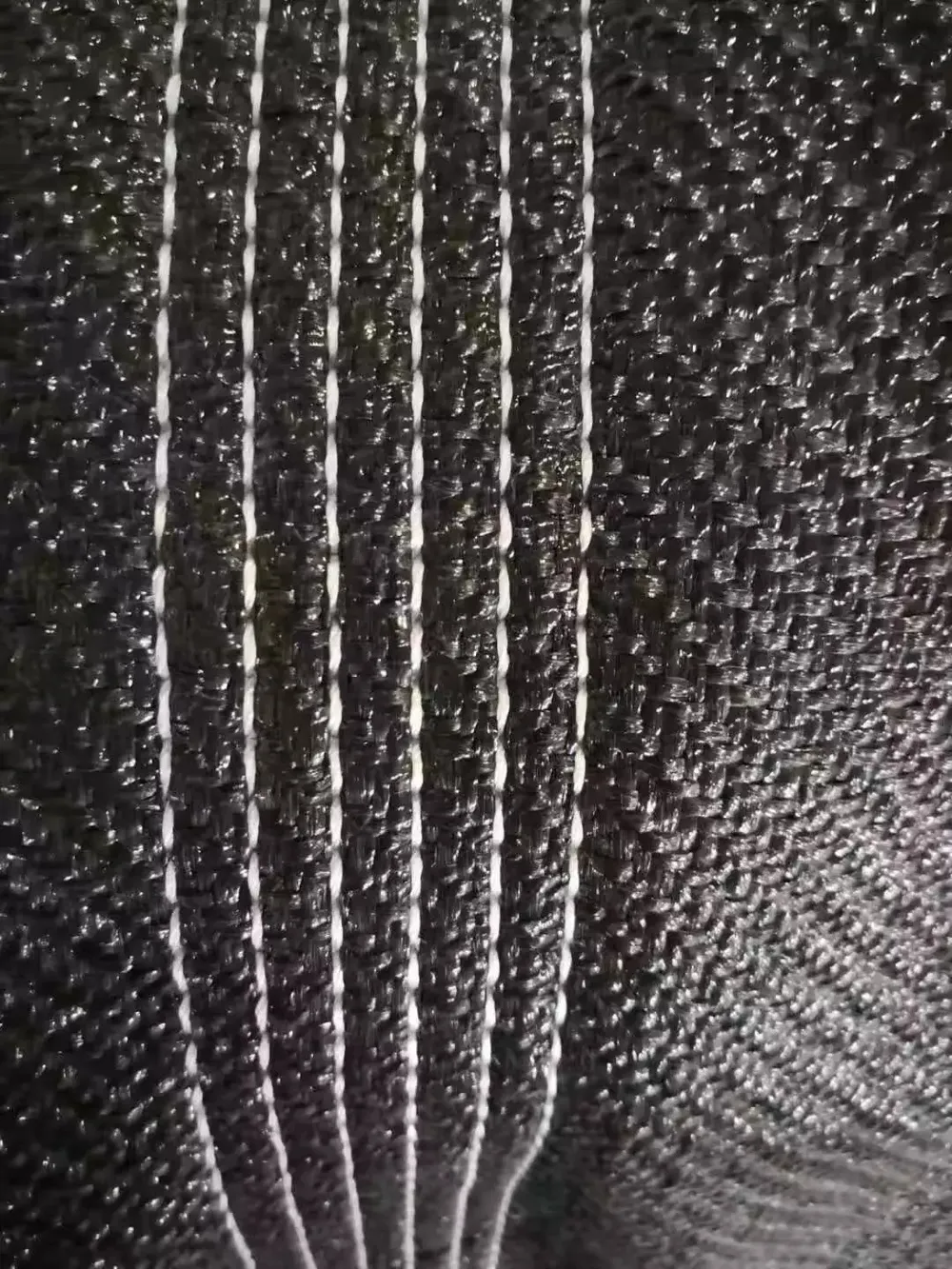
The right grade depends on the fill. A standard grade (450 / 625 lbs/in wide-width tensile, 0.43 mm AOS) suits fine municipal and lagoon sludge, while a heavy grade (1000 / 1000 lbs/in) is specified for coarse dredge spoil, marine cores and larger tube circumferences where the fabric carries more fill pressure. Apparent opening size and water flow rate are matched to the particle size so the geotextile dewatering bags retain solids without blinding off, and the factory seam strength is rated to the same duty as the fabric.
Applications and projects
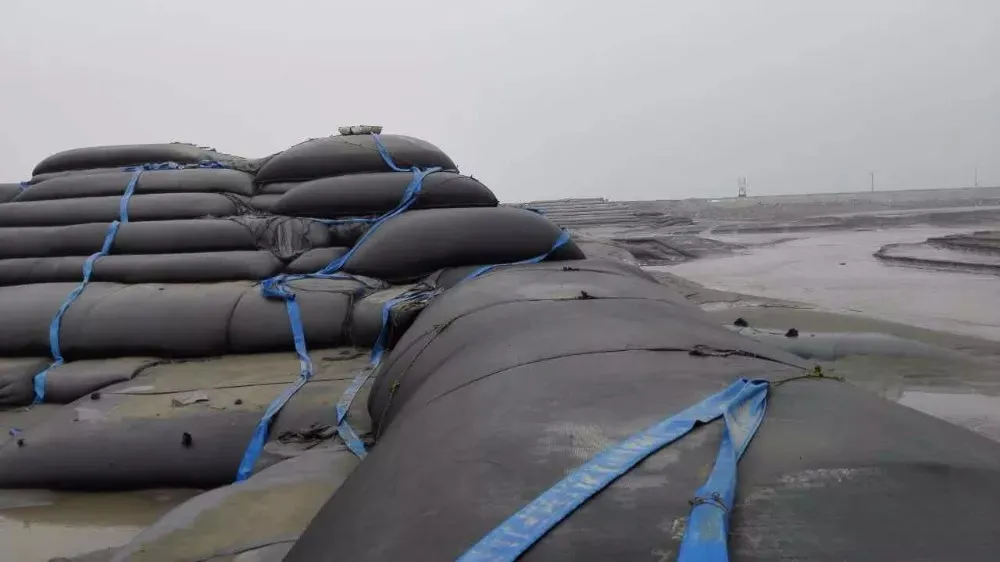
Geotubes are used for sludge and slurry dewatering, dredge-material containment and dewatering, lagoon and wastewater solids dewatering, and as cores for shoreline restoration, breakwaters and bunds. Used as geotubes for erosion control they form a stable, sand-filled marine geotube structure, including geotube breakwater cores that hold their shape under wave action; used as geotubes for sludge dewatering they cut haulage by drying solids in place. Compared with dredging that trucks wet spoil straight offsite, dewatering it in a geotube first removes the water on site and cuts the haul volume before disposal. The same woven technology underlies our broader woven geotextile range, and smaller sewn units overlap with our geobag products.
Sizes and supply
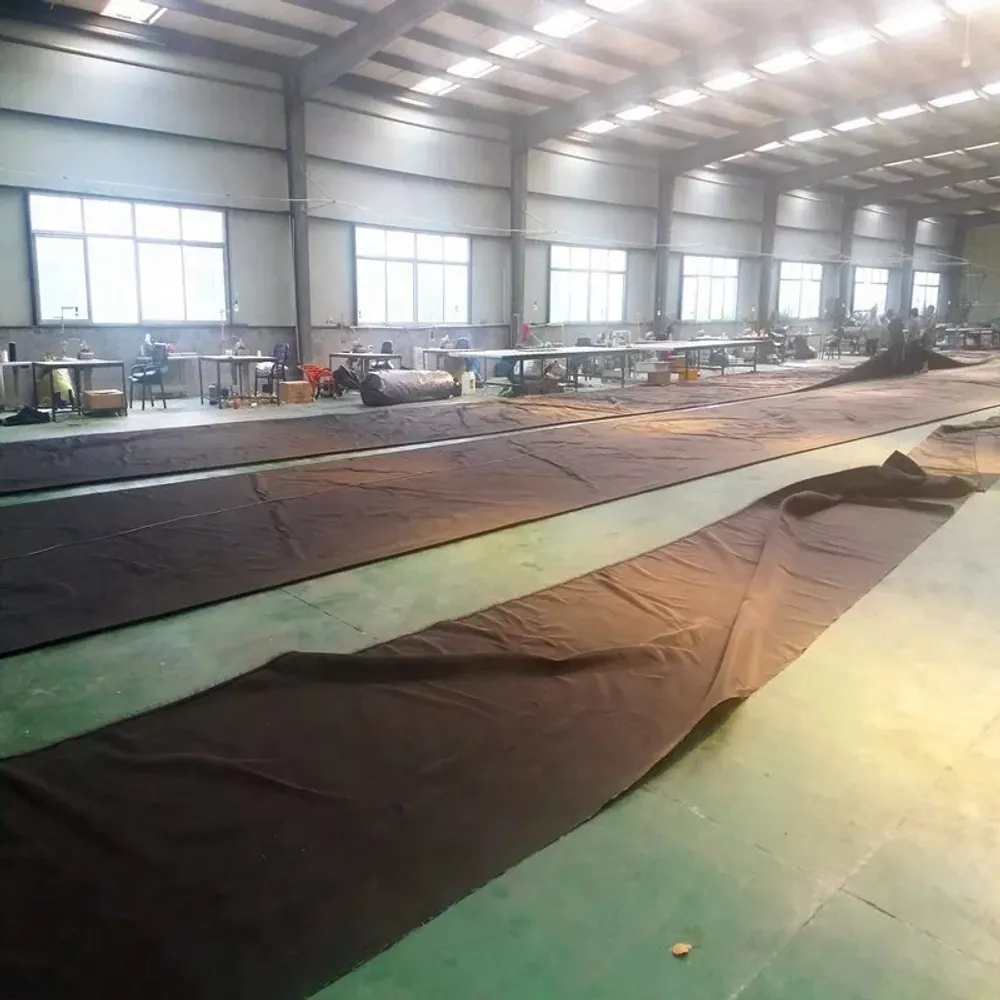
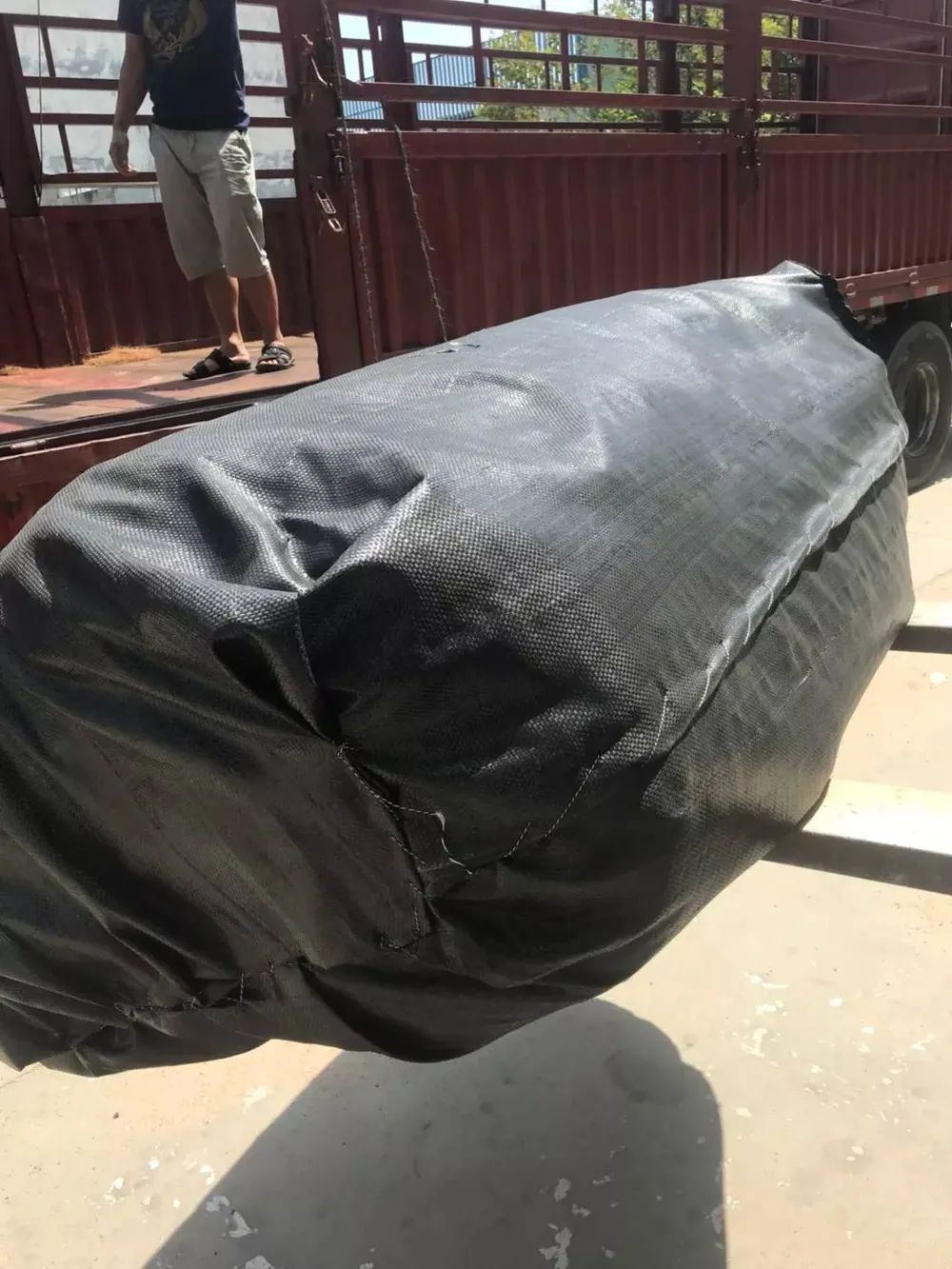
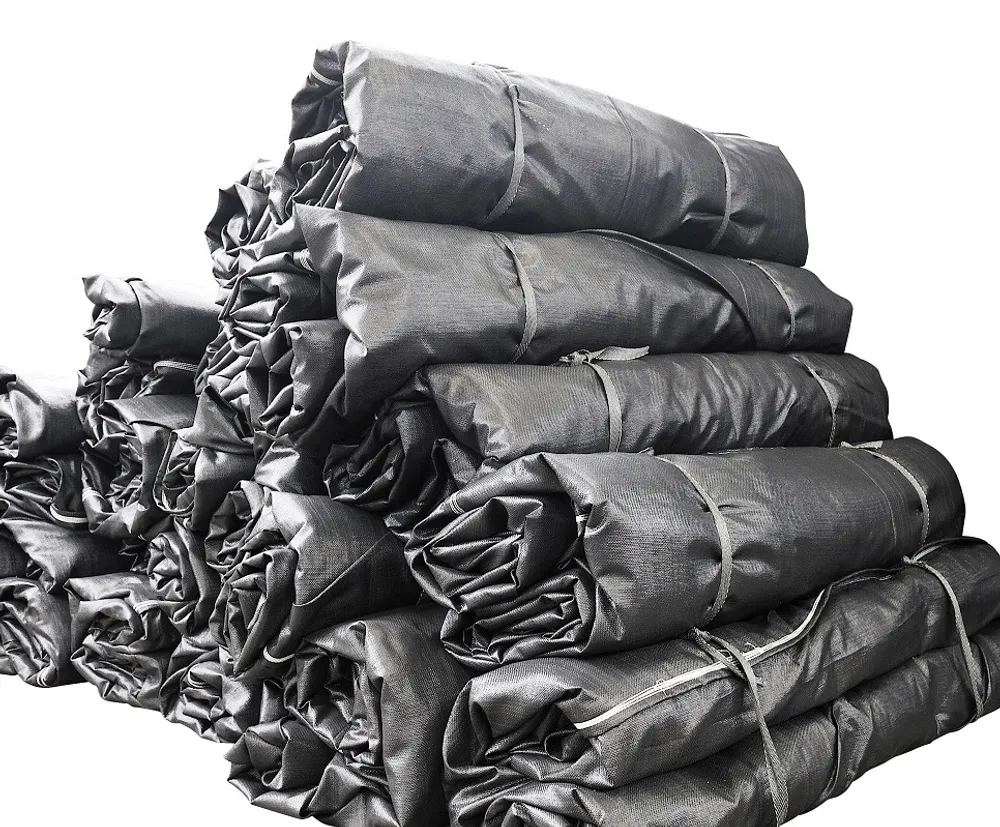
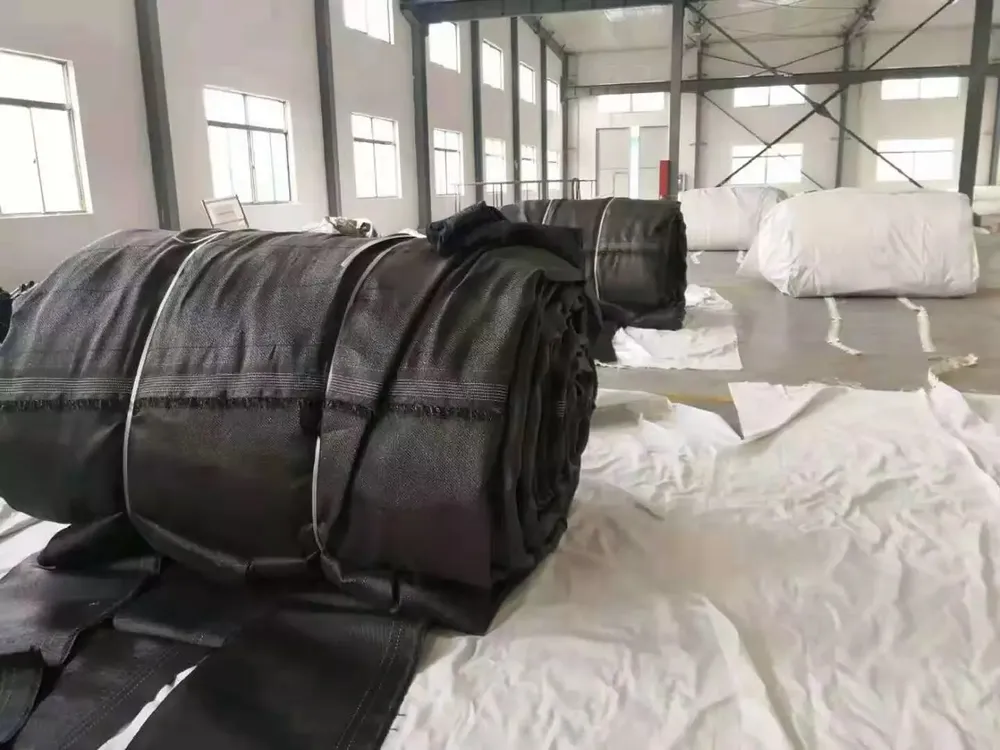
Every order ships as prefabricated dewatering tubes ready to fill on site — no field sewing or seaming required. Finished tube dimensions are custom — diameters run from 1.0 to 5.0 m, circumferences from 5 to 40 m and standard lengths of 20, 30, 50 or 100 m, sized to the site and pump capacity, with filling ports spaced along the top. As a manufacturer we build geotubes to order and quote geotube price ex-works — send the application, expected solids and site footprint for pricing. Folded flat, geotubes ship compactly by sea, so we export worldwide on FOB or CIF terms.

 Geobag / Geotube