
Secondary Containment
A secondary containment liner is the last line of defence when a primary tank, pipe or storage vessel fails. SIGMA geomembranes are engineered with the strength and durability to contain spills — even under catastrophic release — resisting puncture, long-term contact with leaked fuels, and the thermal expansion and contraction of an exposed containment berm.
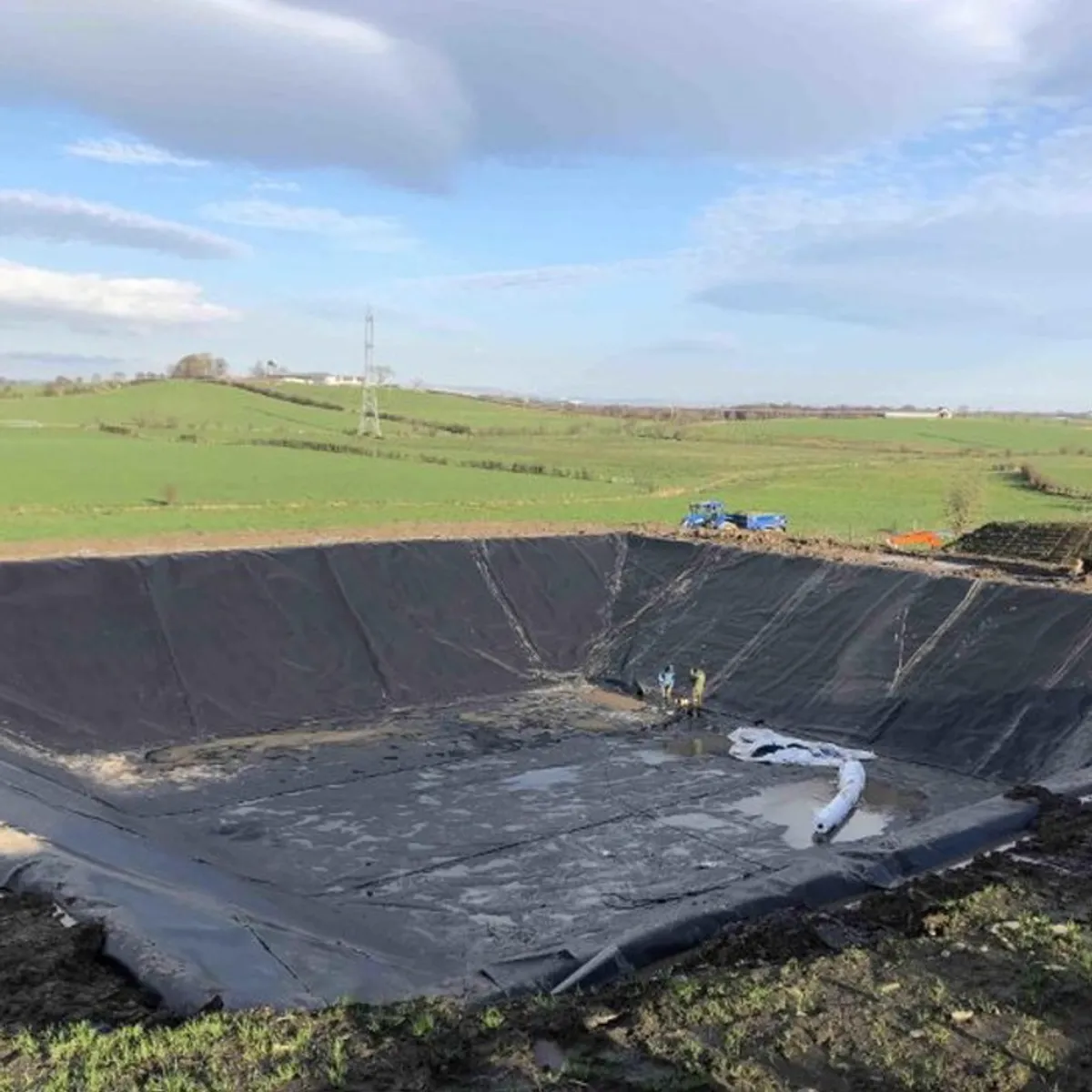
Built to hold a catastrophic spill
Secondary containment systems for tank farms, fuel depots and chemical storage must hold the full volume of a primary failure with zero leakage. The HDPE geomembrane delivers that with high tensile and puncture strength, a broad range of chemical resistance, and proven long-term contact performance with commercial fuels such as jet fuel. Welded into one continuous, impermeable barrier across the berm floor and walls, the high density polyethylene liner gives engineers a containment surface they can certify.
When flexibility matters: LLDPE geomembrane
Containment basins with irregular geometry, sharp internal corners or differential settlement benefit from a more flexible liner. Our LLDPE geomembrane trades a little stiffness for greater elongation and conformance, so it drapes into tight berm details and tolerates ground movement without stressing the seams. We help you match HDPE versus LLDPE to the chemistry, geometry and exposure of your secondary containment design.
Designed for years of UV exposure
Containment liners typically sit exposed to sun and weather for the life of the facility. Both our HDPE and LLDPE geomembranes are compounded with carbon black and UV stabilizers for long outdoor service, and both handle the daily thermal expansion and contraction cycle of an open berm. SIGMA manufactures and exports the geomembrane direct from the factory, so you source a certified secondary containment liner at manufacturer pricing.
See it installed
Secondary containment FAQ
What geomembrane is best for secondary containment?
HDPE geomembrane is the standard choice for its high puncture strength and broad chemical resistance, including long-term contact with fuels. For basins with complex geometry or expected settlement, a more flexible LLDPE geomembrane conforms better. The right pick depends on the stored chemistry and the berm shape — we will advise on both.
Will the liner resist contact with fuel and chemicals?
Yes. SIGMA geomembranes have a broad range of chemical resistance and are designed to withstand long-term contact with leaked commercial fuels such as jet fuel. For aggressive or unusual chemistries, send us the substance and we will confirm compatibility before you order.
How is a secondary containment liner installed?
The geomembrane is deployed over a prepared subgrade across the basin floor and up the berm walls, then hot-wedge welded into one continuous sheet with extrusion welds at penetrations and corners. Seams are pressure or vacuum tested, and the perimeter is secured in an anchor trench.
What thickness should a secondary containment liner be?
The thickness is set by the stored chemistry, whether the liner stays exposed or is covered, the mechanical loads on the berm, and any local regulation that fixes a minimum. Exposed berms in trafficked tank farms are normally specified heavier than covered ones. Send us the design conditions and we will confirm the gauge against the SIGMA geomembrane datasheet with the quotation.
Can a secondary containment liner be retrofitted around existing tanks?
Yes — lining an existing bund around live tanks is common. The geomembrane is deployed in sections between the tank foundations, welded together in place, and sealed to pipe penetrations, plinths and concrete upstands with extrusion-welded boots and mechanical batten fixings. The work is sequenced so the containment stays functional while each section of the secondary containment liner is installed.
What liner is recommended for chemical storage containment?
HDPE geomembrane is our standard chemical containment liner for drum stores, IBC totes and process tank areas — it doubles as a general spill containment liner because of its broad chemical resistance and fully welded seams. Tell us the chemicals stored and we will confirm compatibility before you order.
Can the same liner protect an oil tank berm?
Yes. The same HDPE geomembrane works as an oil containment liner and containment berm liner around bulk fuel and crude storage tanks, resisting long-term contact with hydrocarbons while handling the thermal cycling of an exposed berm.
Request a secondary containment liner quote
Tell us the basin area, the stored chemistry and destination port — we reply within one business day.