
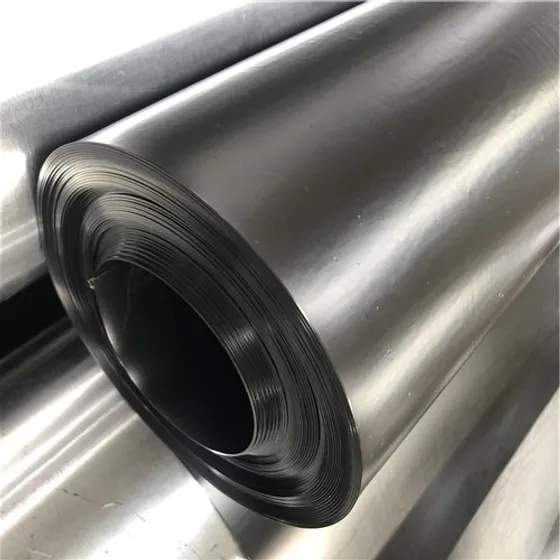
 Geomembrane
 HDPE Geomembrane
Smooth HDPE geomembrane liner to GRI-GM13 — an impermeable high density polyethylene pond liner for landfill, water and containment, 0.75–3.0 mm.
- GRI-GM13
- 0.75–3.0 mm (30–120 mil)
- Smooth · Black
How a reinforced polyethylene (RPE) pond liner compares with HDPE: construction, seaming, durability and which material suits which size of project.
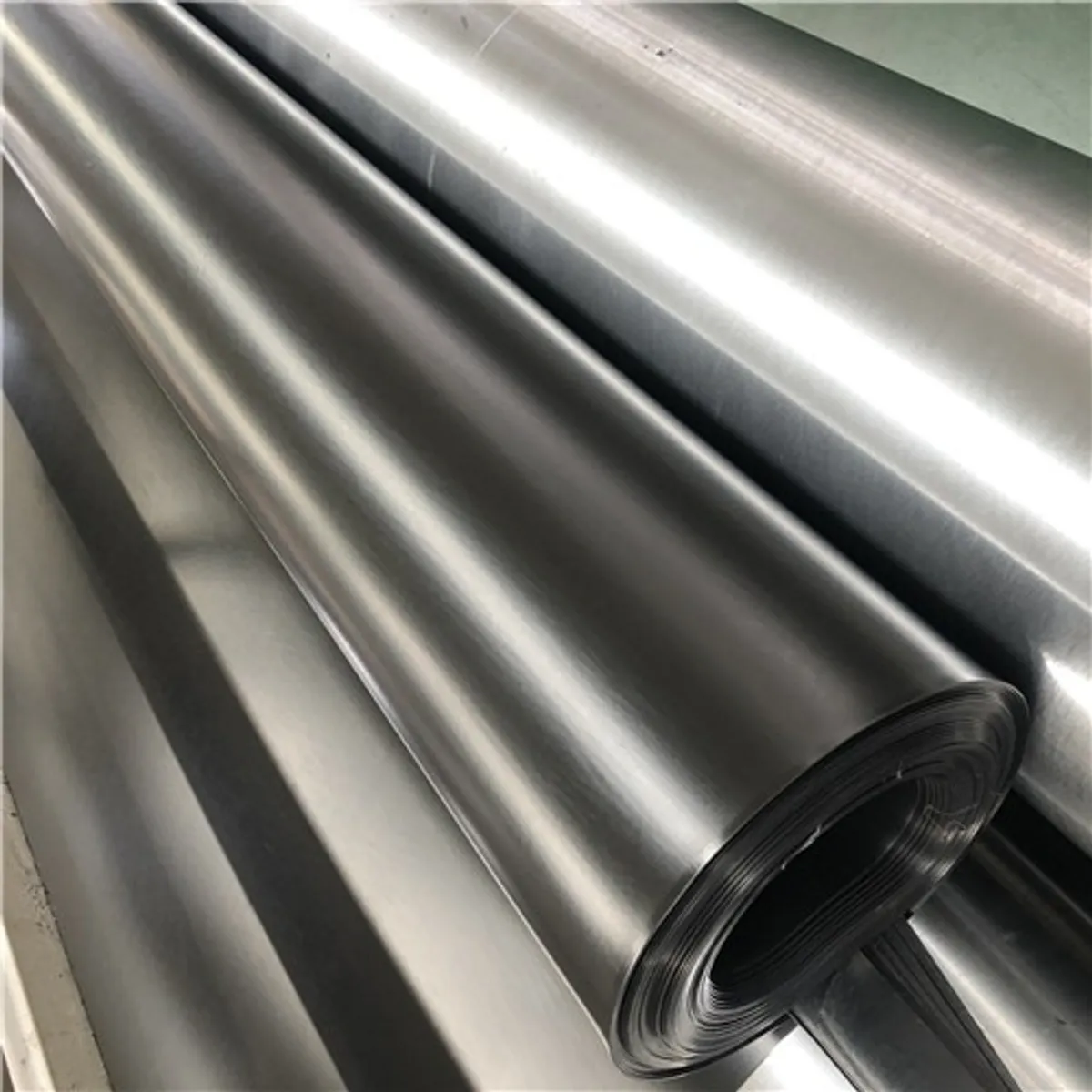
A reinforced polyethylene pond liner and an HDPE pond liner solve the same problem — keeping water in — with different constructions. An RPE liner is a woven polyethylene scrim laminated between two layers of film, so the reinforcement carries the load and the film provides the water barrier. An HDPE liner is a single homogeneous sheet of high-density polyethylene resin with no internal scrim, so the barrier and the strength come from the same layer of material. That difference in construction is what drives most of the practical trade-offs between them, from how each is seamed on site to how each ages under years of sun and water pressure, and it is worth understanding before comparing either liner on weight or price alone.
An RPE liner is comparatively light for its strength, because the woven scrim resists tearing and puncture without needing as much material thickness as an unreinforced film would. That lighter weight also means lower freight cost per square metre of coverage, which matters on a large, simple footprint. Panels are typically factory-fabricated into large prefabricated sheets, which makes it straightforward to cover a big, simple footprint with fewer field seams. It packs down light and is easier to handle by hand on smaller jobs, which is part of why it is a common choice for temporary or seasonal water storage, agricultural irrigation ponds and other installations where the liner may need to be moved, folded or replaced within a few years rather than left in place indefinitely.
An HDPE geomembrane liner is produced to the GRI-GM13 standard from virgin polyethylene resin compounded with carbon black and UV stabilizers, in a thickness range from 0.75 to 3.0 mm depending on the application. Being a single-material sheet, it has strong chemical and UV resistance and a long design life in permanent, exposed installations, and the same resin family has decades of track record in landfill and mining containment where reliability cannot depend on a bonded seam holding up under sustained hydraulic head. Panels are hot-wedge welded into one continuous, homogeneous sheet rather than stitched or taped, so the seam is made of the same material as the sheet itself. Where more flexibility is needed for a contoured or settling subgrade, see our LLDPE Geomembrane Specifications — built to GRI-GM17 with around 800% elongation at break — which gives up a little rigidity for conformance without moving to a reinforced construction.
The seam type is one of the clearest practical differences. An RPE liner's factory and field seams typically rely on stitching, tape or an adhesive-bonded lap, which is fast to assemble but is a joint between two distinct layers rather than a fusion of one material, and it is the seam that tends to be the first point of failure over time. A welded HDPE or LLDPE seam fuses the sheet into itself, so a properly tested weld is as continuous as the rest of the panel and does not rely on an adhesive that can degrade separately from the sheet. Over a multi-year, permanently exposed installation — aquaculture, irrigation reservoirs, landfill and containment work — that welded, single-material construction is generally what gives polyethylene geomembrane the longer service life, though a well-installed RPE liner kept out of prolonged direct sun can still perform well for its intended duty cycle.
For a large, permanent pond, reservoir, aquaculture facility or containment cell exposed to sun and chemicals for years at a stretch, HDPE (or LLDPE where flexibility matters more) is the more common industrial choice, and it is what we manufacture and supply. For a smaller, lighter or more temporary installation where easy handling and fast prefabricated coverage matter more than decades of UV exposure, an RPE liner remains a reasonable option from a reinforced-liner supplier. Neither material is a universal answer, and the honest comparison is duty cycle against handling convenience rather than one liner beating the other on every count. We do not produce RPE ourselves, so where the project calls for a permanent, weldable, chemically resistant liner we can size and supply HDPE or LLDPE — send us the pond or reservoir dimensions, subgrade and expected exposure and we will recommend a thickness and grade honestly rather than push one material regardless of fit.
Free Geosynthetics Spec & Selection Guide
Material grades, thickness/GSM sizing and price ranges for your project — sent to your inbox.
Geomembrane Smooth HDPE geomembrane liner to GRI-GM13 — an impermeable high density polyethylene pond liner for landfill, water and containment, 0.75–3.0 mm.
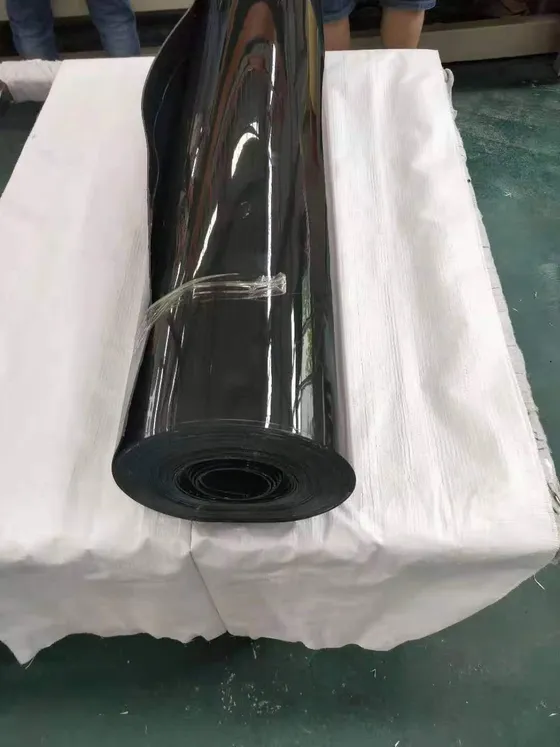 Geomembrane
 Smooth LLDPE geomembrane and flexible LLDPE liner to GRI-GM17 — a linear low density polyethylene liner, 0.50–3.0 mm, for landfill, pond and containment.
Tell us your application and quantity — our English-speaking team replies within one business day.