What a PP rainwater storage module replaces underground
In urban stormwater and sponge-city drainage design, a polypropylene rainwater storage module (commonly specified on civil drawings as soakaway crates, attenuation crates or modular rainwater tank cells) replaces both cast-in-place reinforced concrete cisterns and deep crushed-stone soakaway trenches. Washed angular stone trenches provide roughly 30% effective void space, whereas injection-moulded PP storage crates deliver a ≥95% void ratio. Storing 100 m³ of runoff therefore requires around 105 m³ of modular crate volume instead of more than 330 m³ of quarried aggregate, cutting excavation depth, spoil haulage and imported stone trucks by roughly two-thirds on tight commercial sites. Buyers searching for a drainage cell should also distinguish between two structural product families: thin 8–50 mm dimpled drainage sheets and podium drainage mats convey shallow sheet flow across roof gardens and basement walls, while 500–600 mm deep structural stormwater storage crates stack into multi-layer underground reservoirs.
Infiltration soakaway vs sealed attenuation and harvesting: choosing the wrap
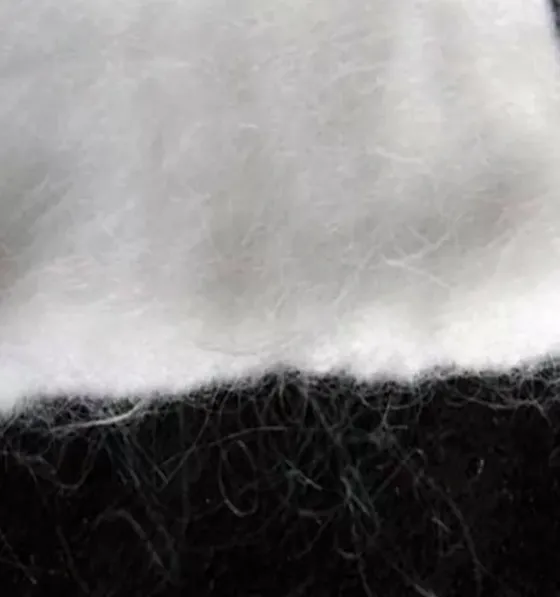
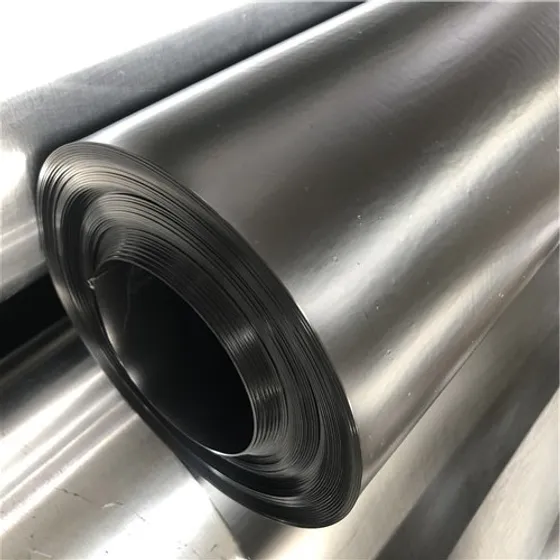
The polypropylene crate matrix itself only provides the load-bearing skeletal void; the geosynthetic envelope wrapped around the outside of the block assembly determines how the tank handles water. When ground percolation tests confirm free-draining sandy or gravelly subsoil above the seasonal water table, wrapping the crate assembly in permeable needle-punched nonwoven geotextile creates a stormwater infiltration soakaway: runoff enters the open cells, temporarily buffers peak storm surges and seeps gradually through the base and sidewalls into native soil while the fabric filters out surrounding silt and sand fines. Where clays have poor permeability, groundwater sits high, contaminated industrial runoff must be isolated, or municipal discharge permits require throttled outflow, the crate block is sealed inside an impermeable HDPE geomembrane or a more pliable LLDPE geomembrane cushioned inside and out by protective nonwoven geotextile layers. That two-cloth-one-membrane envelope turns the identical PP crates into a watertight attenuation tank (draining through a flow-control orifice) or a sealed rainwater harvesting reservoir for landscape irrigation, dust suppression and vehicle washing.
Module dimensions, 400 to 800 kN/m² load grades and cover depth
SIGMA modular PP cells are moulded in recyclable, temperature-resistant polypropylene across standard module footprints including 500×500×500 mm, 540×540×520 mm, 1000×500×500 mm and 1200×600×600 mm, allowing engineers to step layer heights or build L-shaped tanks around existing manholes and utility corridors. Standard structural grades deliver vertical compressive load ratings around 400–600 kN/m², while heavy-duty grades reach roughly 800 kN/m² for buried tanks beneath parking lots, carriageways and emergency fire lanes. Structural selection never stops at ultimate short-term crush strength alone: long-term creep resistance under sustained soil overburden, lateral earth and wheel-surcharge pressures on tank sidewalls, minimum compacted cover depth to spread axle point loads, and maximum burial depth all govern service life. Because no single universal statutory product standard governs PP stormwater crates globally, vertical and lateral load capacities, deflection limits and allowable cover depths are verified per project grade against the certified SIGMA production datasheet rather than estimated from generic rules of thumb.
Trench bedding, splicing, pipe connections and same-day backfill
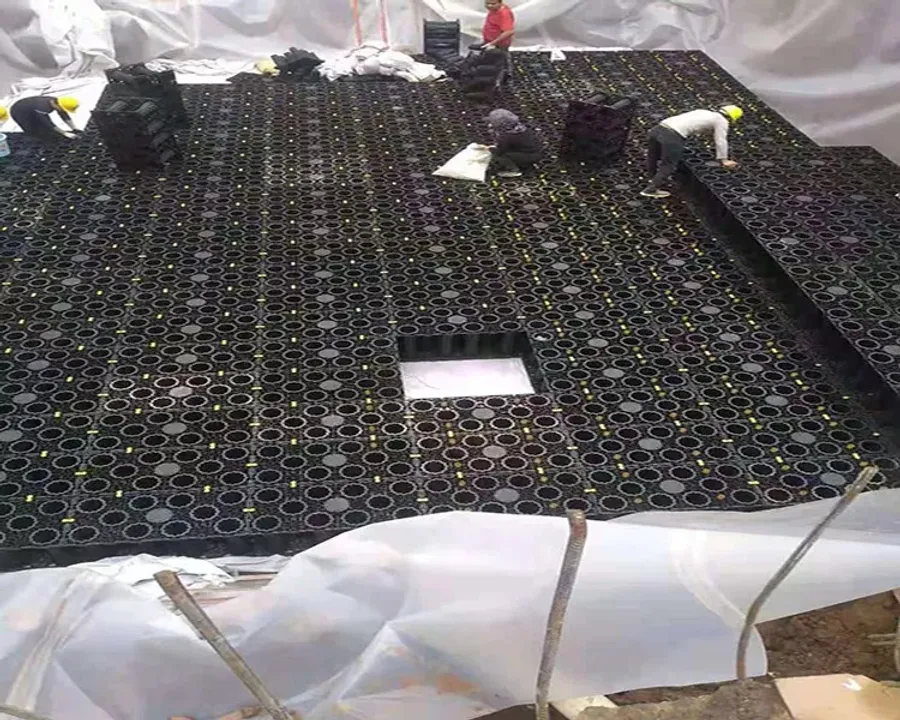
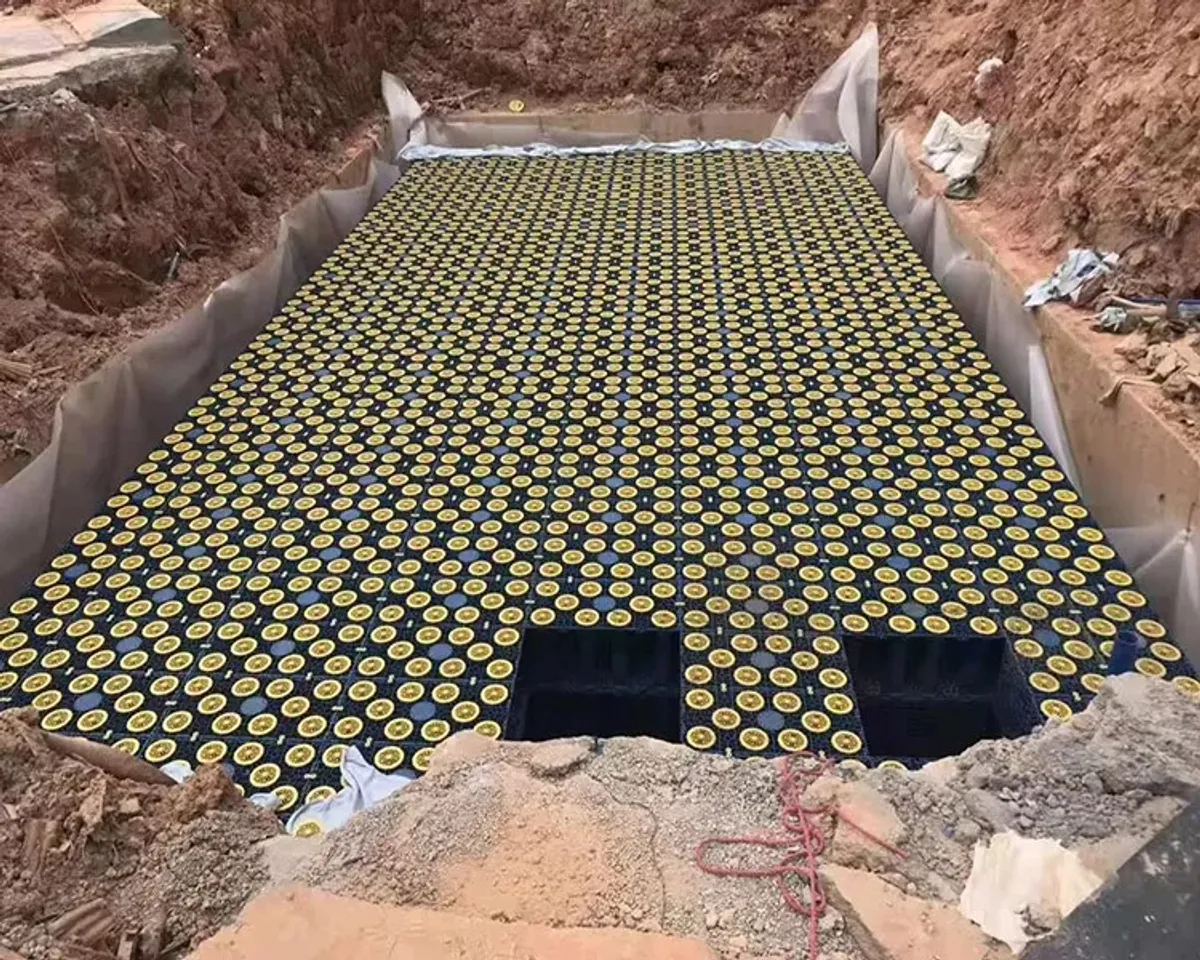
Unlike poured concrete tanks that tie up an excavation for weeks of rebar tying, shuttering and 28-day curing, flat-packed PP rainwater modules assemble by hand without cranes and allow same-day trench backfilling. Excavate the pit to line and level with stable side batters, remove sharp cobbles, and compact a level 100 mm sand or fine-gravel bedding layer across the floor. Lay the overlapping bottom geotextile (or the full geotextile-geomembrane-geotextile liner envelope for a sealed tank) with generous slack folded up the trench walls. Snap the detached plates and internal columns together layer by layer using interlocking clips and shear pins so adjacent crates transfer horizontal loads as a monolithic block. Connect the corrugated drainage pipe inlet, outlet and overflow headers via flanged adaptors (and welded pipe boots on geomembrane-sealed tanks), and fit a high-level air vent at the tank crown so trapped air cannot throttle peak storm inflow. Fold and seal the top wrap, then place clean granular sidefill and top cover in balanced, evenly compacted lifts using light walk-behind plate compactors directly over the first cover layer.
Preventing siltation, liner corner bridging and groundwater uplift
Three avoidable detailing errors account for most subsurface crate failures in service. First, never route raw roof downspouts or road gullies directly into the module array without an upstream catch-basin, leaf screen and primary grit-settling chamber; once heavy sediment washes into an un-flushed crate core without an inspection tunnel, storage capacity drops permanently. Second, on geomembrane-wrapped detention tanks, installers must leave slack at internal 90-degree floor-to-wall corners rather than pulling stiff HDPE sheet tight across the angle; otherwise hydrostatic load pushes the crates outward and stretches the unsupported liner like a drumhead, a risk easily reduced by specifying flexible LLDPE sheet and heavy protective nonwoven geotextile cushions on both faces. Third, an empty sealed harvesting tank sitting below a rising water table experiences strong upward buoyancy; where groundwater can reach above the tank invert, check uplift safety factors early so overburden weight or anti-flotation collars hold the empty reservoir down.
Flat-pack container shipping and what to send for a tank takeoff
Shipping rigid pre-assembled plastic boxes overseas wastes ocean freight on 95% empty air. SIGMA rainwater storage modules use a split, detachable plate-and-column structure that nests densely on export pallets, multiplying the cubic metres of finished underground tank capacity loaded into a single 40HQ container and simplifying on-site storage on cramped urban jobsites. We supply the matched geosynthetic package (PP storage modules, filtration or cushion geotextile, HDPE or LLDPE geomembrane liner, welding rod and corrugated collector pipes) in one consolidated shipment with installation drawings and weld-testing guidance. To get an engineering takeoff, grade recommendation and container loading count, contact our engineering team with five project inputs: required net water volume (m³) or pit dimensions, duty (infiltration soakaway, throttled attenuation or sealed harvesting), surface traffic load (landscaping, car park, roadway or fire lane), soil and groundwater conditions, and your destination port.
Free Geosynthetics Spec & Selection Guide
Material grades, thickness/GSM sizing and price ranges for your project — sent to your inbox.

 Drainage