
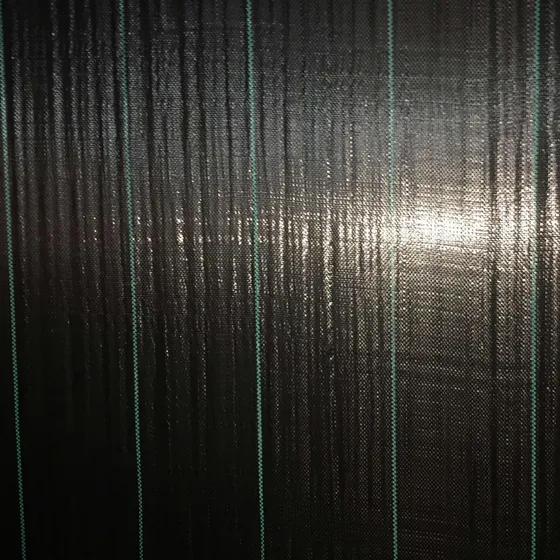
 Geotextile
 Woven Geotextile
High-strength woven geotextile fabric (PP / PET high-tenacity yarn) to AASHTO M288 — for separation, stabilization and reinforcement on roads.
- AASHTO M288
- Class 1 / 2 / 3
- PP / PET · Woven
SIGMA polyester-PP woven geotextile is a high tensile woven geotextile made from high-tenacity polyester (PET) and polypropylene (PP) yarns. Woven into a dimensionally stable, low-elongation sheet, this pet pp woven geotextile delivers high tensile strength for landfill liner reinforcement, embankment over soft soil, reinforced soil slopes, road and railway construction, marine and port structures, reservoirs and waste / chemical management. It is built to AASHTO M288 and graded by installation survivability (Class 1–3), is corrosion-resistant, water-permeable and durable, and ships direct from our factory.
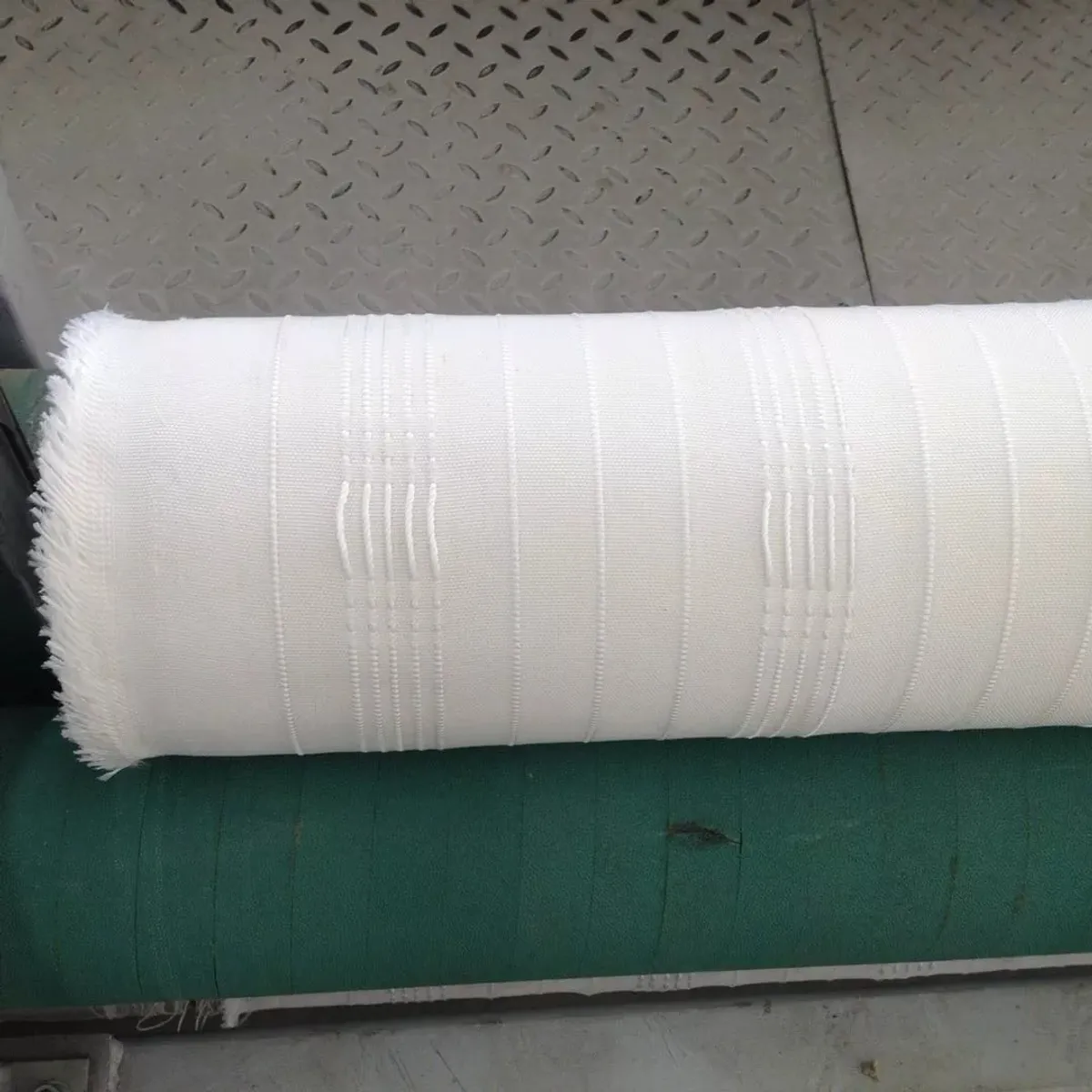
SIGMA polyester-PP woven geotextile is manufactured from high-tenacity polyester (PET) and polypropylene (PP) yarns woven into a dimensionally stable sheet. As a high tensile woven geotextile this pet pp woven geotextile has high tensile strength and low elongation, so it spreads load and holds its strength under heavy traffic. It is built to the AASHTO M288 standard, which grades a woven geotextile by installation survivability — Class 1 (most severe), Class 2 (default) and Class 3.
The two polymers are woven together to pair their strengths: high-tenacity polyester carries the tensile load with low elongation and low creep, so the fabric reinforces without stretching, while polypropylene adds chemical resistance and cost efficiency. The result is a polyester polypropylene woven geotextile that combines high tensile strength, corrosion resistance, water permeability and durability in one sheet — and because woven fabric is thin and dense it is easy to store and transport compared with bulky nonwovens of the same strength.
This combination is why the polyester polypropylene woven geotextile is specified for landfill liner reinforcement, embankment over soft soil, reinforced soil slopes, road and railway construction, the foundations of marine structures and port facilities, reservoirs, waste and chemical management and peninsula shoal engineering. High grab, trapezoid tear and CBR puncture strength let it survive rough placement over stone and irregular ground, while the low elongation means the reinforcement mobilises its strength at small strains — keeping pavements and embankments stable over soft subgrades.
Although it is primarily a reinforcement fabric, a woven geotextile also separates the subgrade from the aggregate so the two layers do not intermix under load, and its woven structure remains water-permeable so pore pressure can dissipate. Under AASHTO M288 the separation function carries its own permittivity and apparent opening size requirements, shown in the table above. Note, however, that woven slit-film geotextiles are not permitted for subsurface drainage (filtration) applications, where a needle-punched nonwoven is required instead.
A pet pp woven geotextile is rolled out over the prepared subgrade with the strong (machine) direction aligned to the main reinforcement load, and adjacent rolls are overlapped — typically 300–600 mm on firm ground and more, or sewn, on soft or wet soil so the fabric stays continuous and load is transferred across the joint. Where the design calls for it, prayer or butterfly sewn seams develop higher joint strength than an overlap. Fill is end-tipped onto the fabric and spread without trafficking it directly, and exposed edges are covered promptly because prolonged UV exposure reduces strength.
AASHTO M288 specifies a woven geotextile by survivability Class (1, 2 or 3) rather than by weight, and commercial woven grades map onto those classes; high-tensile reinforcement is additionally specified by ultimate wide-width tensile strength (ASTM D4595) in kN/m. See our broader woven geotextile range for PP / PET woven options, our PP geotextile for lighter stabilization grades, and a needle-punched nonwoven geotextile where filtration and drainage are the priority. Tell us the application, subgrade CBR, loads and required tensile and we will recommend the right high tensile woven geotextile.
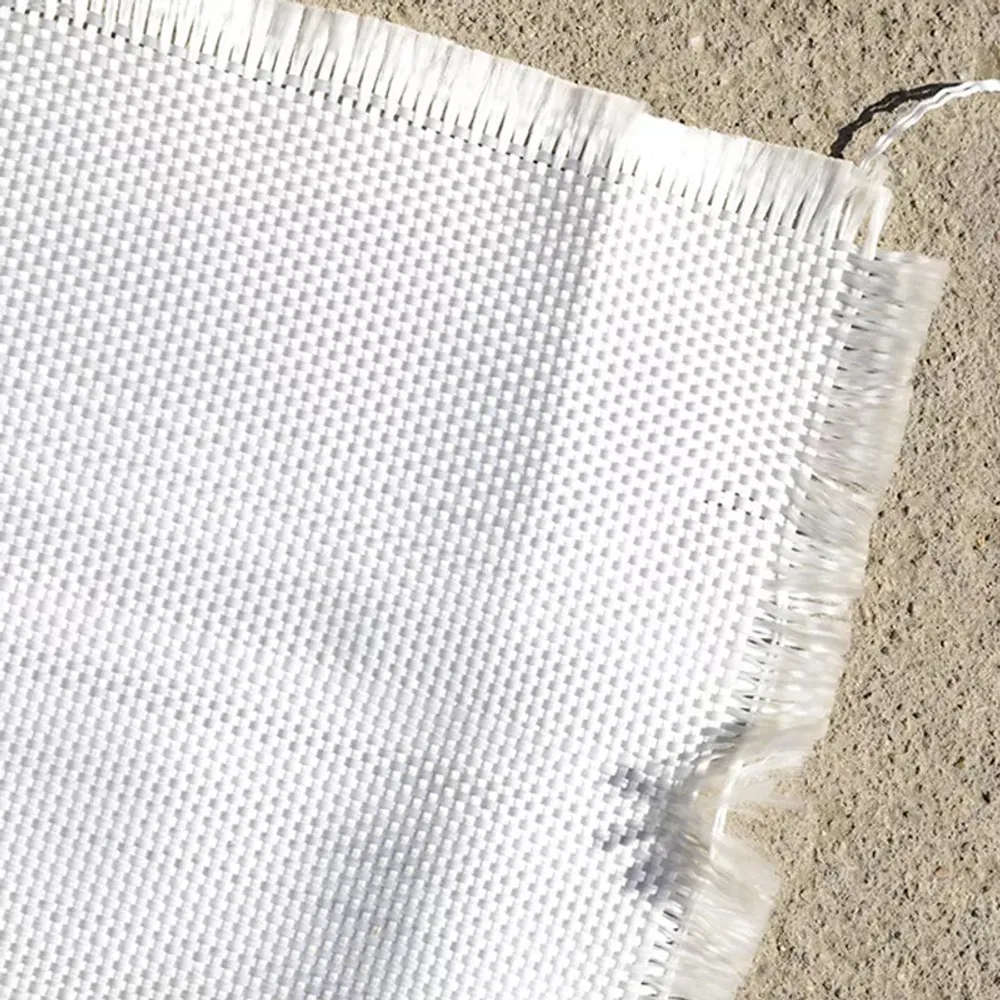
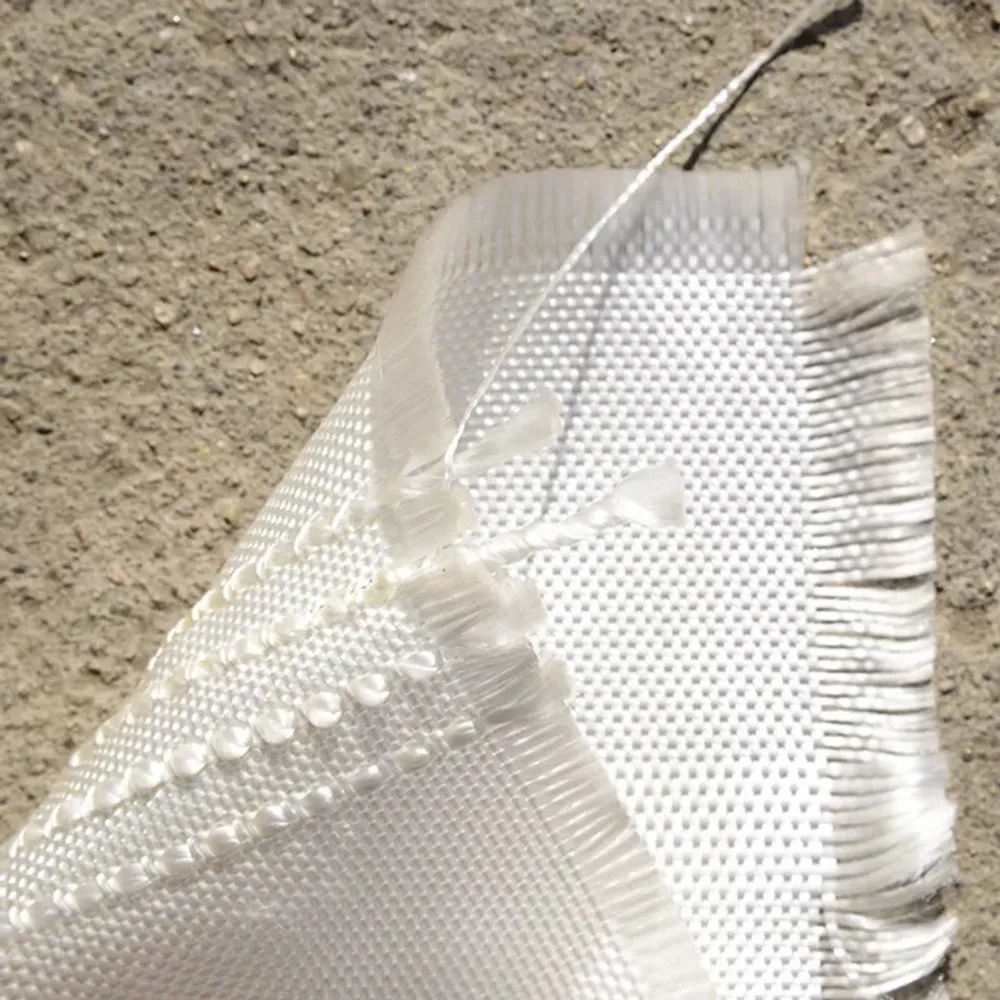
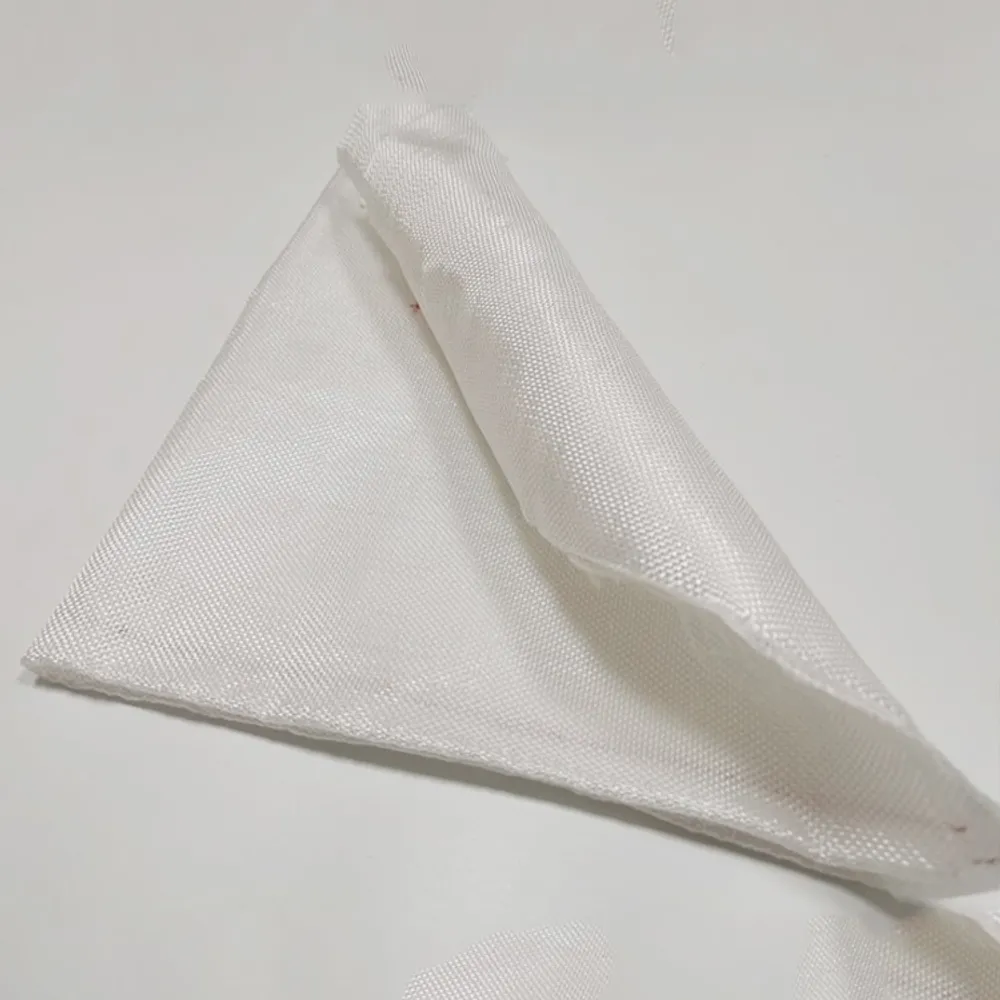
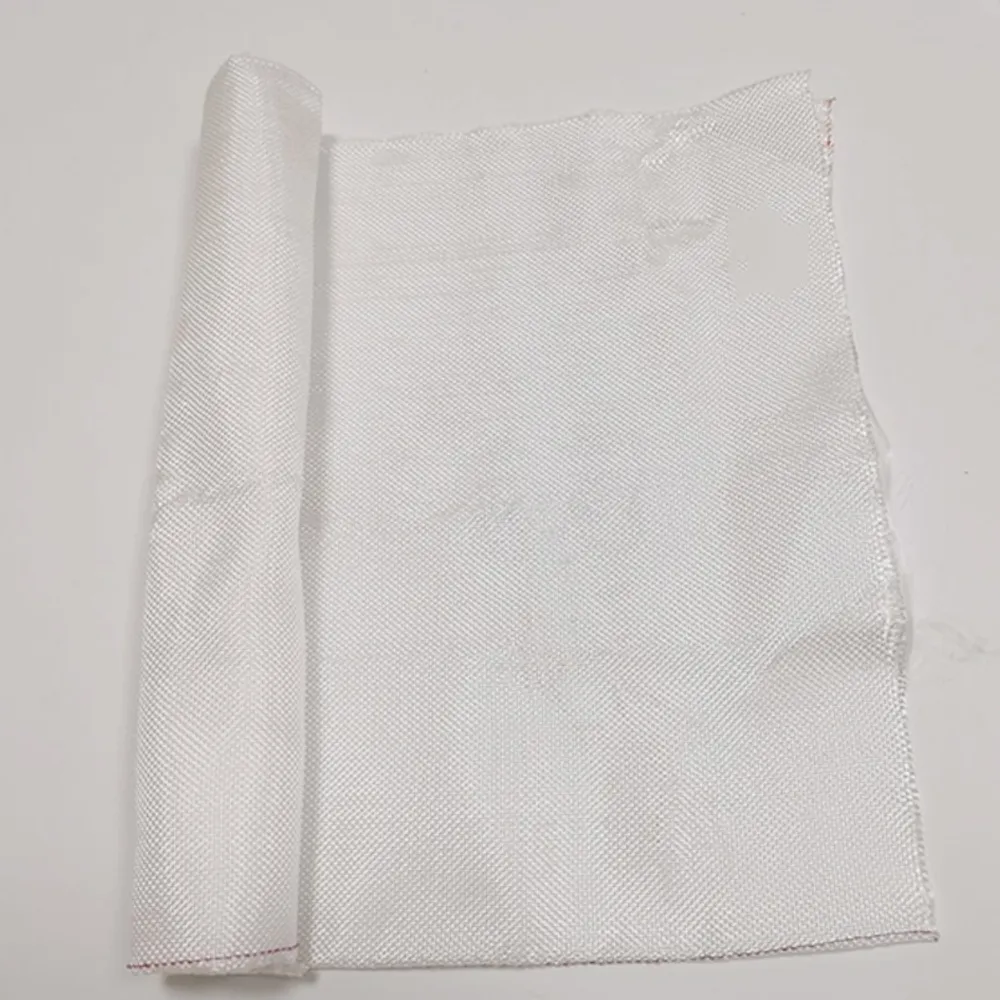
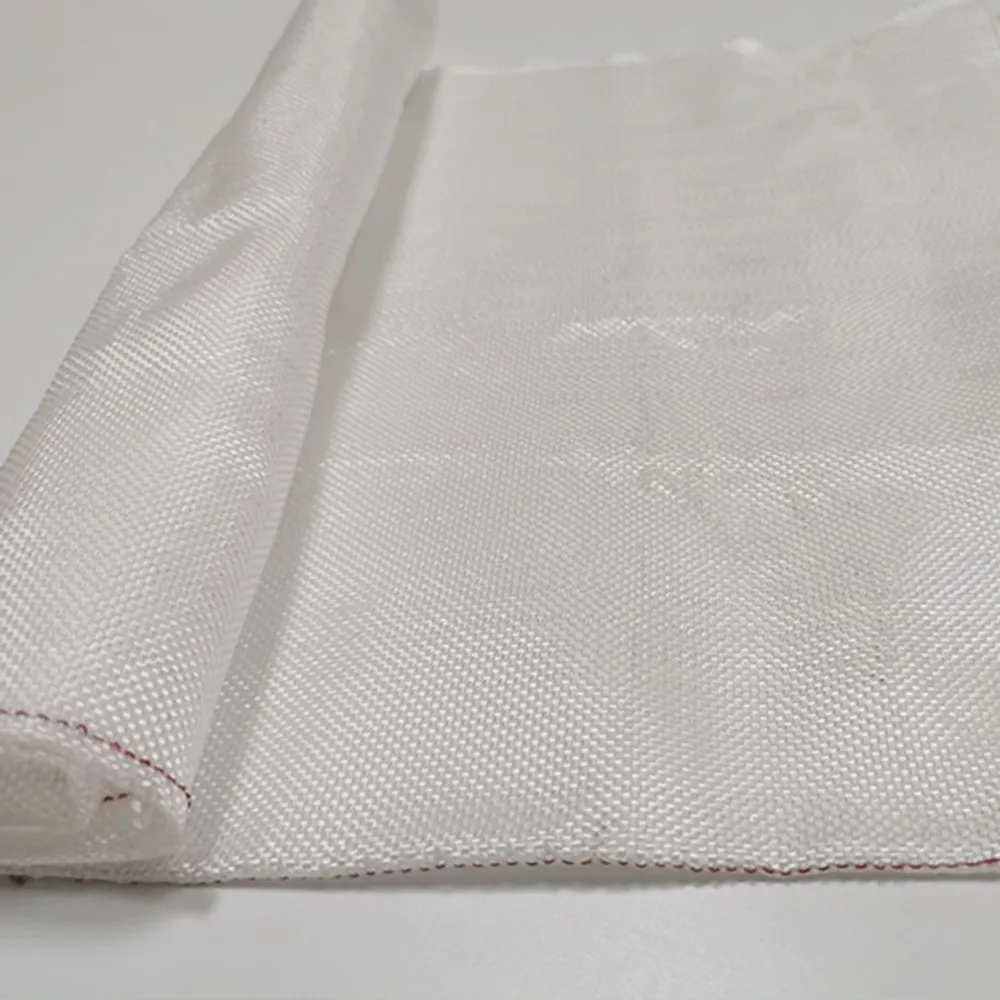
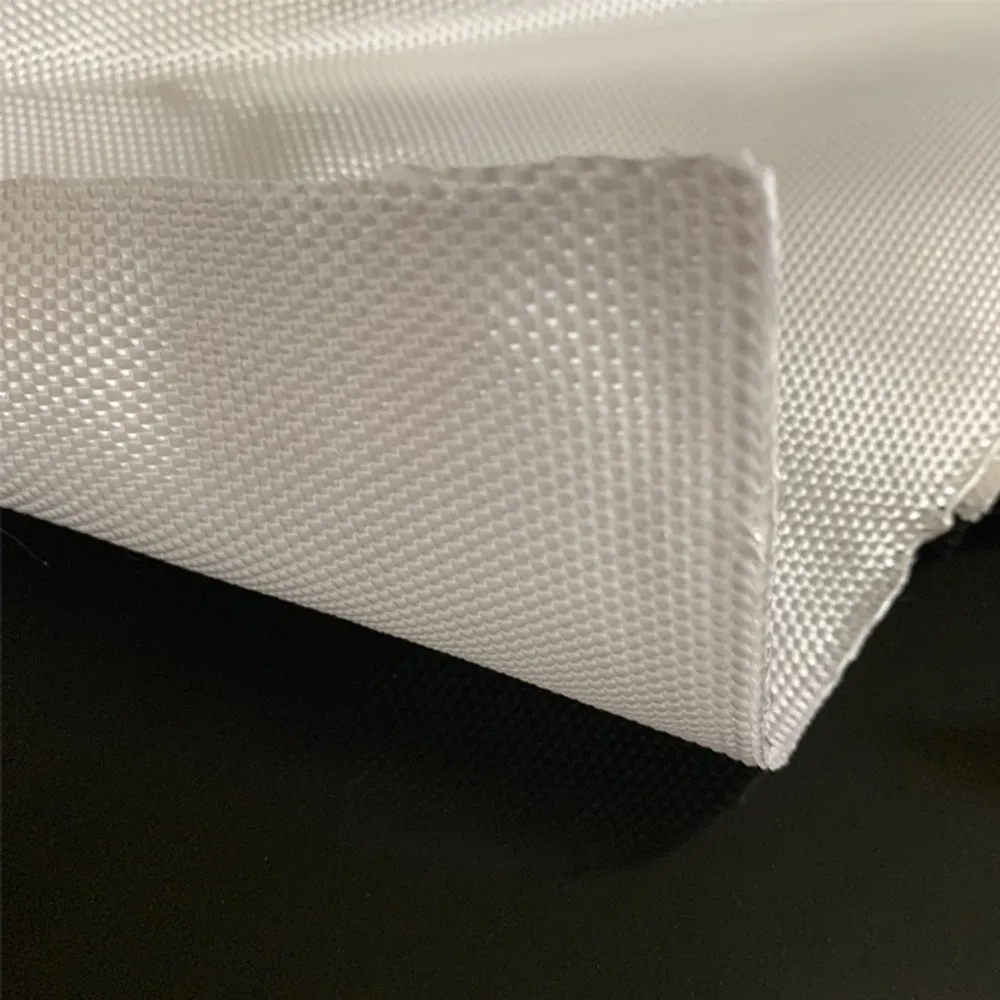
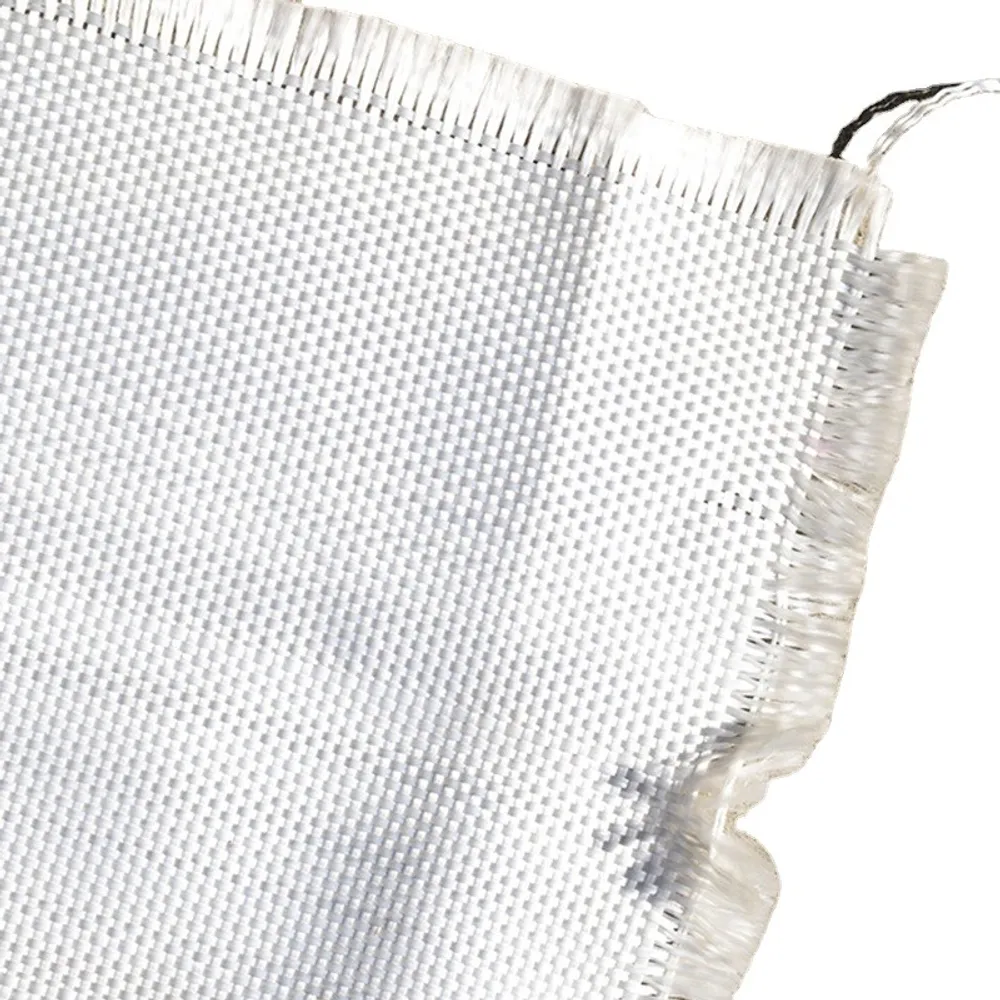
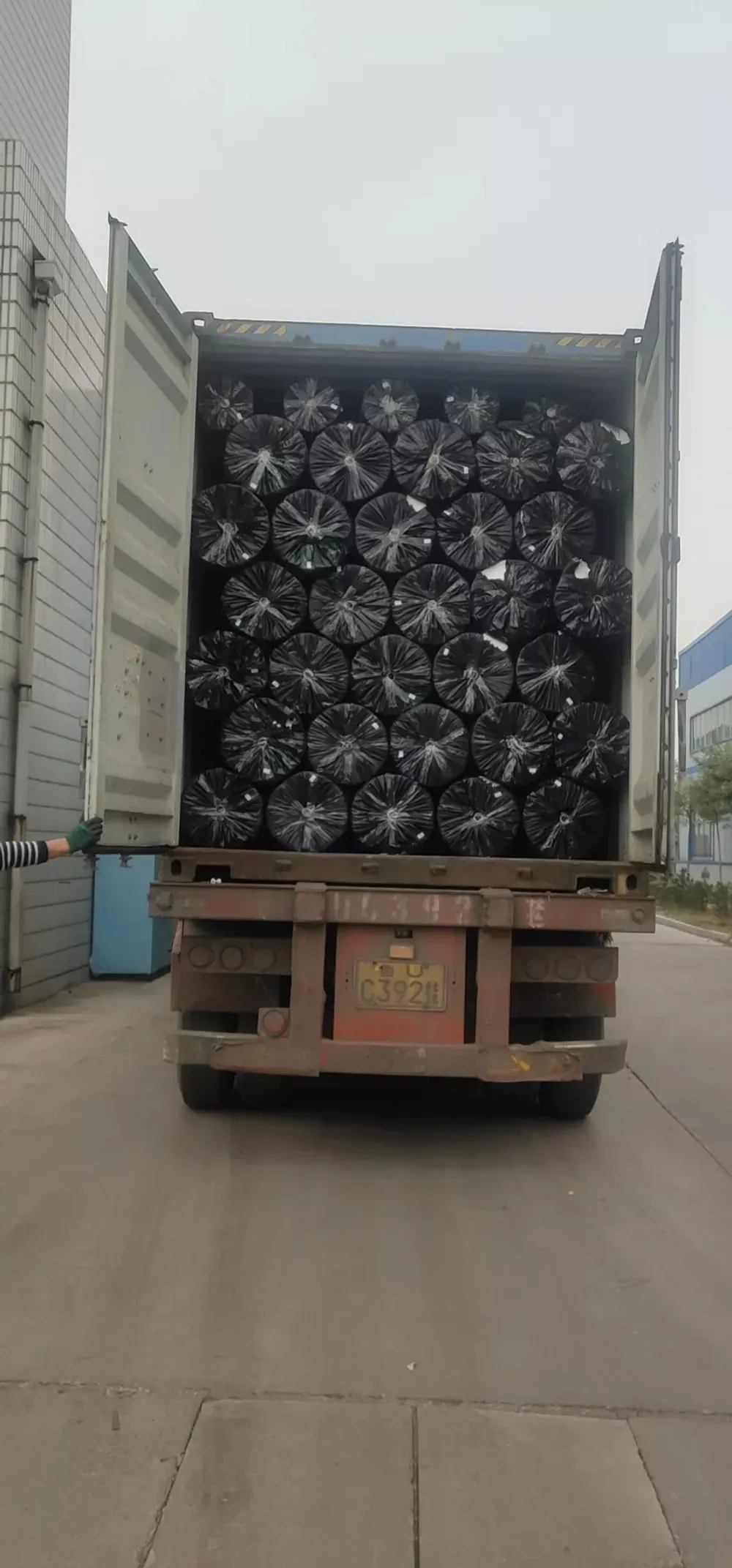
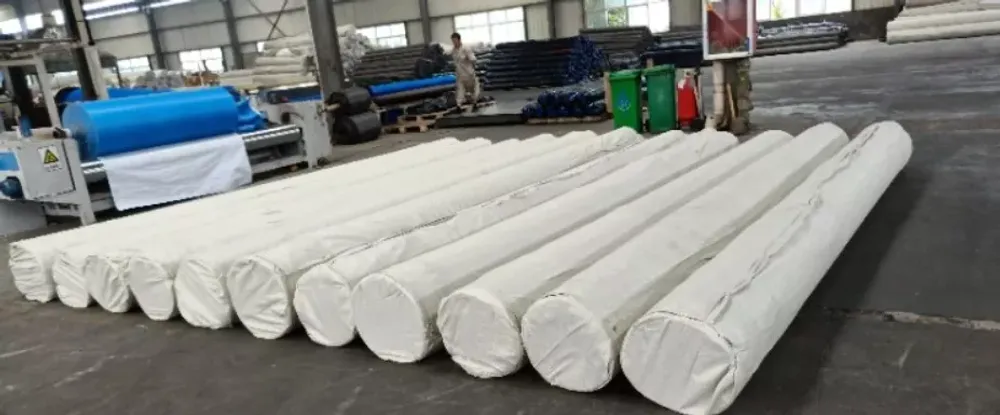
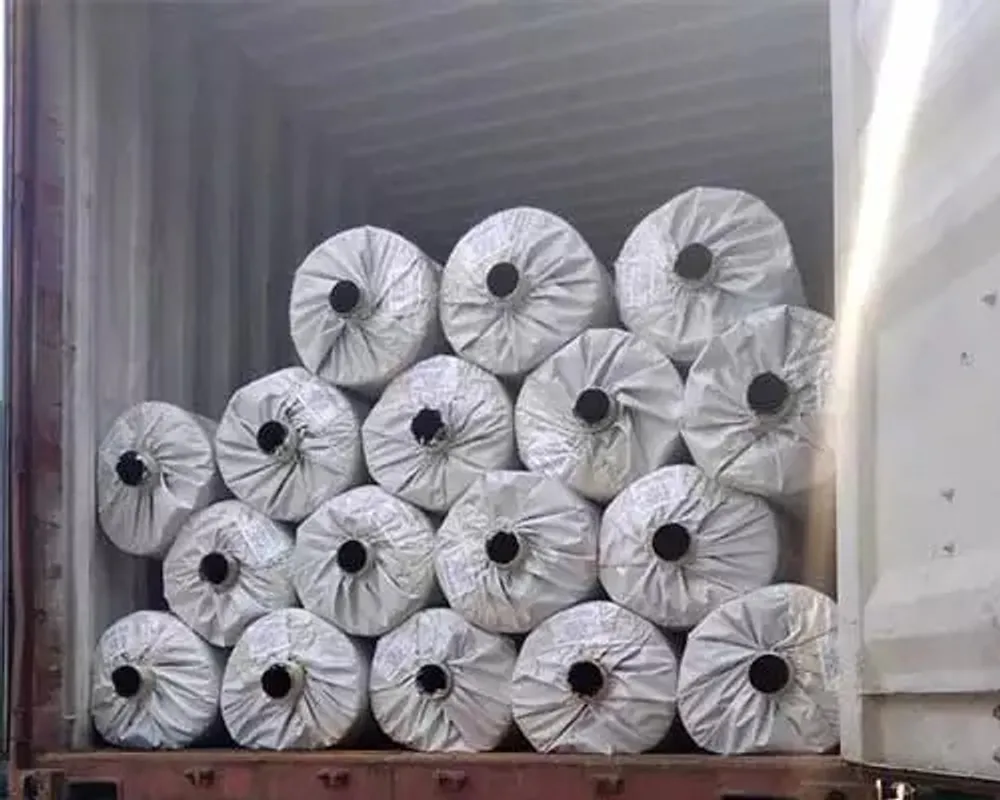
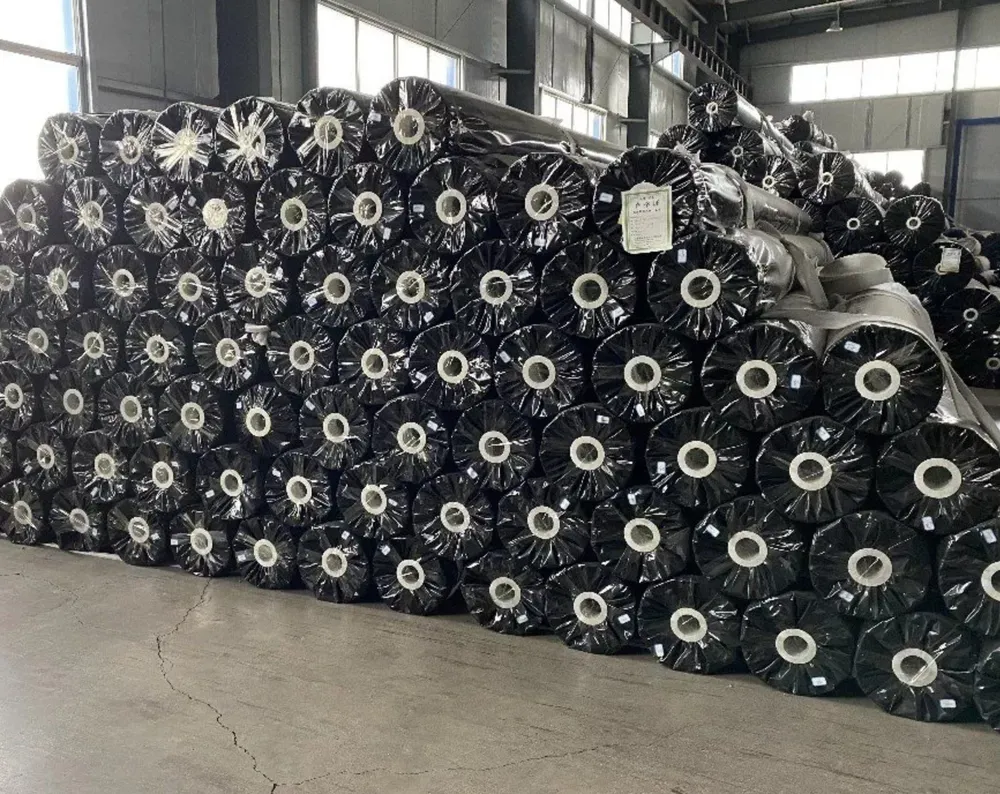
Polyester-PP Woven Geotextile (PET / PP) — AASHTO M288 minimum average roll values (MARV), elongation <50%.
| Property | Test Method | Unit | Class 1 | Class 2 (default) | Class 3 |
|---|---|---|---|---|---|
| Grab strength (min.) | ASTM D4632 | N | 1400 | 1100 | 800 |
| Sewn seam strength (min.) | ASTM D4632 | N | 1260 | 990 | 720 |
| Trapezoid tear strength (min.) | ASTM D4533 | N | 500 | 400 | 300 |
| CBR puncture strength (min.) | ASTM D6241 | N | 2750 | 2200 | 1650 |
| Permittivity — separation (min.) | ASTM D4491 | sec⁻¹ | 0.02 | 0.02 | 0.02 |
| Apparent Opening Size (AOS) — separation (max. avg.) | ASTM D4751 | mm | 0.60 | 0.60 | 0.60 |
| UV stability — retained strength after 500 hr | ASTM D4355 | % | 50 | 50 | 50 |
It is manufactured to AASHTO M288, the standard specification for geosynthetics. AASHTO M288 grades a woven geotextile by installation survivability — Class 1 (most severe), Class 2 (default) and Class 3 — with minimum average roll values for grab, sewn seam, trapezoid tear and CBR puncture strength, plus separation permittivity and AOS, as shown in the table above.
High-tenacity polyester (PET) gives high tensile strength and low creep, while polypropylene (PP) adds chemical resistance and cost efficiency. The pet pp woven geotextile therefore offers high tensile strength, low elongation, corrosion resistance, water permeability and durability — well suited to reinforcement under embankments, roads and landfill liners.
It is a reinforcement and stabilization fabric used for landfill liner reinforcement, embankment over soft soil, reinforced soil slopes, road and railway construction, foundations of marine structures and port facilities, reservoirs, waste and chemical management and peninsula shoal engineering.
Generally no. Woven slit-film geotextiles are not permitted for subsurface drainage (filtration) under AASHTO M288 because their open area and permittivity are low. For a French drain or filter application use a needle-punched nonwoven geotextile, which is sized by permittivity and apparent opening size to the soil gradation.
AASHTO M288 rates survivability by grab, tear and CBR puncture strength (Class 1 / 2 / 3). High-tensile reinforcement grades are additionally specified by ultimate wide-width tensile strength (ASTM D4595) in kN/m — these per-grade values are manufacturer datasheet figures. Send us the required tensile and we will confirm the grade.
Adjacent rolls are overlapped — typically 300–600 mm on firm ground, increasing or sewn on soft or wet subgrades so the fabric stays continuous and load transfers across the joint. Where the design needs a stronger joint, sewn seams develop higher seam strength than an overlap; under AASHTO M288 sewn seam strength must be at least 90% of grab strength. Lay the strong (machine) direction along the main reinforcement load.
As the manufacturer we run economic batches, so the minimum order quantity depends on the tensile grade and width rather than a fixed roll count; standard grades carry a low MOQ while custom widths or high-tensile grades are made to order. Woven fabric is thin and dense so it is easy to store and ship. Send us the class or tensile, roll width and total area and we will confirm the MOQ and lead time with the quote.
Price depends mainly on the tensile grade / survivability class, roll width and order volume. As a manufacturer we quote ex-works per square metre or per roll; send us the class or required wide-width tensile (kN/m), total area and destination port and we will return a price the same business day.
Tell us quantity, destination port, and any questions — we reply within one business day.
Geotextile High-strength woven geotextile fabric (PP / PET high-tenacity yarn) to AASHTO M288 — for separation, stabilization and reinforcement on roads.
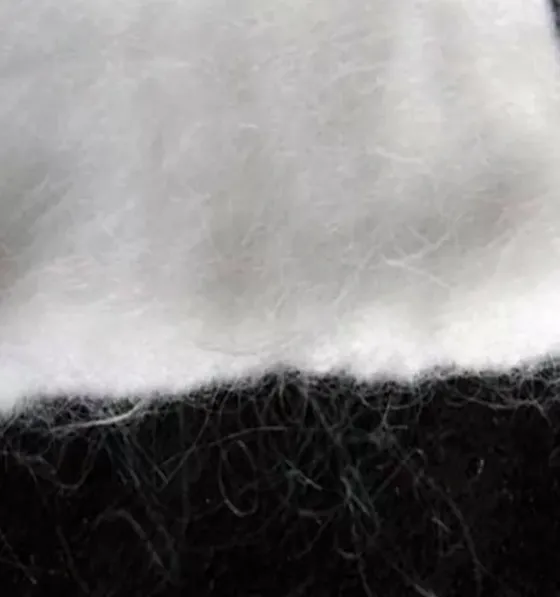 Geotextile
 Needle-punched nonwoven geotextile fabric (PET / PP staple fiber) to AASHTO M288 — for filtration, separation, drainage and protection in French drains.
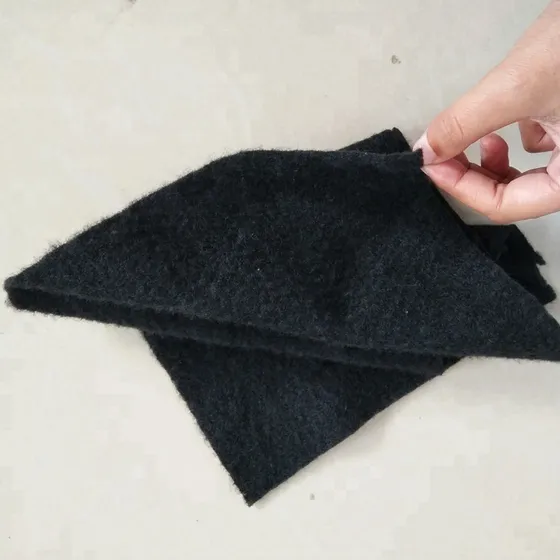 Geotextile
 Polypropylene (PP) geotextile to AASHTO M288 — needle-punched PP nonwoven for filtration, separation, drainage and protection, plus woven PP grades.