
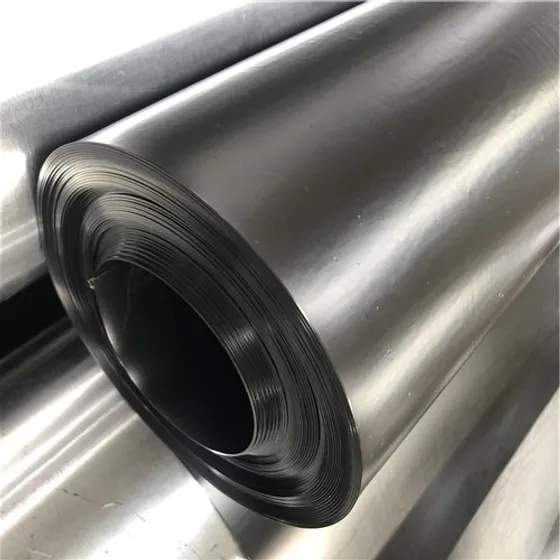
 Геомембраны
 Геомембрана HDPE (ПНД)
Гладкая геомембрана HDPE (ПНД) по GRI-GM13 — водонепроницаемая полиэтиленовая пленка для пруда, полигона и резервуара, толщина 0,75–3,0 мм.
- GRI-GM13
- 0,75–3,0 мм (30–120 mil)
- Гладкая · чёрная
Как устроен экран полигона ТБО по слоям: первичная геомембрана HDPE, вторичный композит с бентонитовым матом, дренажная геосетка и финальное покрытие.
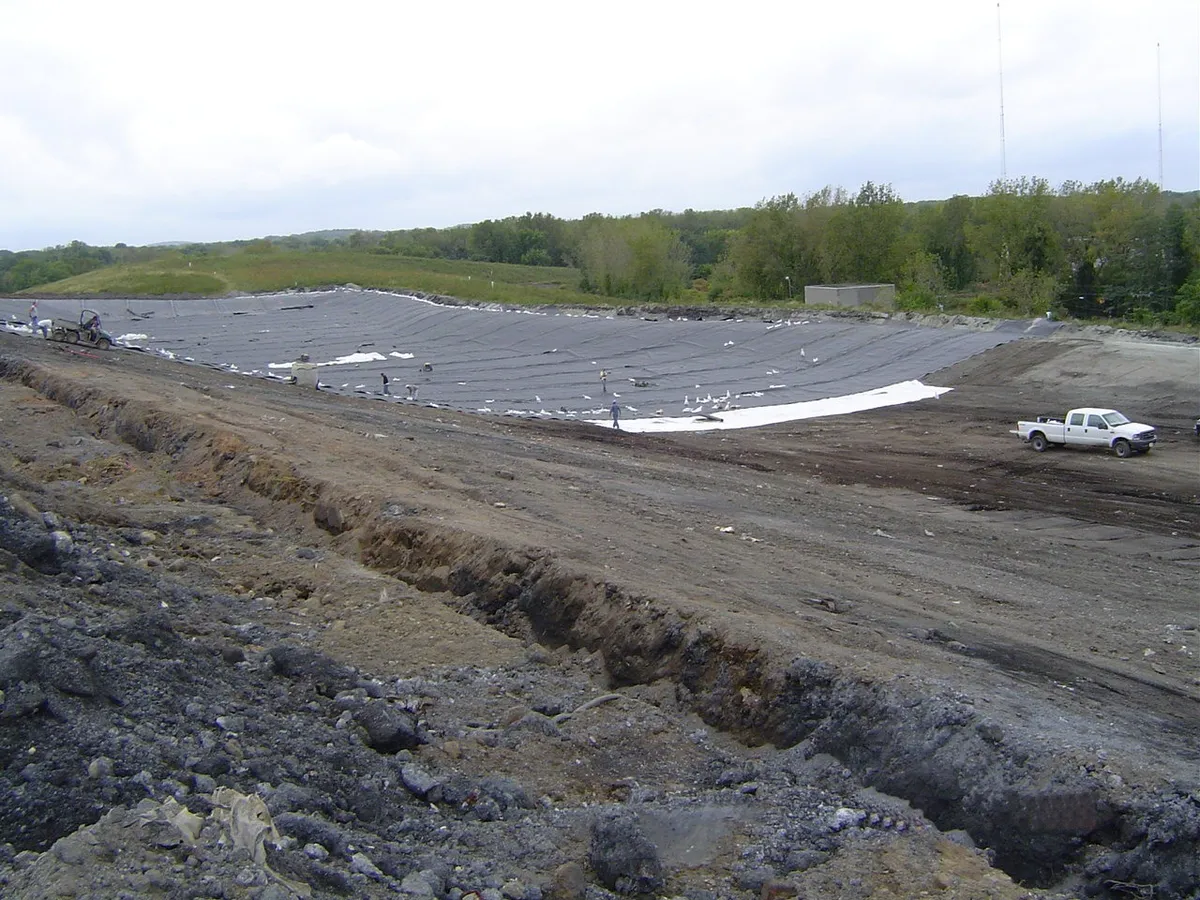
Система экранирования полигона — это барьерно-дренажный пакет между отходами и окружающим грунтом и грунтовыми водами: он не даёт фильтрату мигрировать в почву и водоносный горизонт, и его планируют, сваривают и испытывают так, чтобы разделение держалось десятилетиями, пока карта активна и после закрытия. Спросите любого инспектора или проектировщика, что на практике значит устройство геомембраны на полигоне, и ответ везде один: как минимум геомембрана, обычно в паре с низкопроницаемым глиняным слоем, плюс дренажный слой, отводящий фильтрат с полотна до того, как нарастёт гидростатический напор. Однослойные системы — одна геомембрана поверх уплотнённой глины — в некоторых юрисдикциях всё ещё утверждают для инертных или малоопасных карт, но твёрдые бытовые и опасные отходы почти всегда требуют композитный двойной экран: первичная геомембрана, дренажный слой, вторичный композитный экран. Единичный прокол в одном слое не ставит под угрозу грунтовые воды, если слой под ним остался цел.
Первичный барьер — это почти всегда геомембрана HDPE, 1,5–2,5 мм, текстурированная с одной или двух сторон, чтобы держать сцепление с дренажным слоем сверху и глиной снизу на боковых откосах, а не скользить. HDPE — стандартный материал для противофильтрационного экрана из геомембраны на полигоне, потому что он лучше, чем ПВХ или LLDPE, переносит весь спектр химии, которую бросает в него фильтрат — органические кислоты, растворённые металлы, редкие растворители, — и сваривается в непрерывное полотно термическими или экструзионными швами, которые испытывают воздушным каналом или вакуумной камерой панель за панелью, прежде чем укладывать следующий слой. На объекте по укладке геомембраны на полигоне раскладка панелей, журнал сварки и разрушающие образцы шва — такая же часть сдачи объекта, как и само полотно; экран без пошовной документации становится проблемой в тот день, когда инспектор запросит файл контроля качества.
Под первичной геомембраной и дренажным слоем лежит вторичный экран, и именно здесь композитная конструкция окупается. Бентонитовый мат — бентонит, прошитый или иглопробивной между двумя геотекстилями, — заменяет два фута уплотнённой глины панелью толщиной 6–10 мм, которая при увлажнении сама герметизирует мелкие проколы, а затем поверх неё укладывают вторую геомембрану, формируя композитный вторичный слой. Именно эта логика двойного экрана заложена в проектные требования к полигонам: если в первичной геомембране появится прокол — камень, оставленный под ней, дефект шва, переживший испытание, длительное растрескивание под нагрузкой, — вторичный композит всё равно останавливает фильтрат, а слой обнаружения протечек между двумя экранами покажет, что это произошло, ещё до того, как фильтрат дойдёт до грунта. Ту же композитную логику мы закладываем под резервуарные площадки в системах вторичного контейнмента, и она же работает в экране лагуны сточных вод или пруда-накопителя: сначала резервирование, потом обнаружение, так что отказ одного слоя — это сигнал тревоги, а не утечка наружу.
Фильтрат, стоящий поверх экрана под напором, — главная угроза сроку службы экрана, поэтому дренажный слой над первичной геомембраной не опция. Геосетка-дрена (geonet) — либо геосетка, заламинированная геотекстилем с обеих сторон в геокомпозит, — отводит фильтрат по горизонтали к перфорированным сборным трубам и зумпфу, удерживая напор на экране на уровне, который обычно закладывают нормативы. Сверху над геосеткой нетканый геотекстиль отфильтровывает мелкие частицы из массы отходов, чтобы они не забивали дренажное ядро, — та же пара «фильтр плюс дренаж», что мы используем на экране дамбы или в пристенном дренаже насыпи. Занизьте этот слой или пропустите фильтрующую ткань — и дренажное ядро заилится за несколько лет; к моменту, когда напор на экране начнёт расти, единственное решение — раскапывать отходы, чтобы добраться до дренажного слоя, а такой ремонт никто не хочет планировать.
Закрытие зеркально повторяет основание: финальный экран из геомембраны поверх осевших отходов, дренажная геосетка, отводящая дождевую воду прежде, чем она станет фильтратом, затем грунт и растительность для контроля эрозии, чтобы покрытие пережило заморозки-оттепели и осадку. Стоимость экрана полигона зависит больше от площади укладки, чем от марки материала — ожидайте, что пакет геомембраны, бентонитового мата, геосетки и геотекстиля ляжет в широкий диапазон цены за квадратный метр в зависимости от толщины полотна, доступа на площадку, условий сварки и того, нужен ли полный композитный двойной экран или допустим однослойный вариант. Больше всего на итоговую цифру влияет логистика — размер панели против доступа бригады, объём испытания швов и сколько подготовки основания нужно площадке до укладки геосинтетики — а не цена самого рулона. Пришлите нам контур карты, уклоны откосов и нормативное требование к экрану, однослойный или композитный двойной, и мы соберём спецификацию материалов — панели геомембраны, рулоны бентонитового мата, геосетку и геотекстиль — под чертёж, а не по общему правилу.
Бесплатный гид по выбору геосинтетики и спецификациям
Марки материала, подбор толщины/плотности и диапазоны цен для вашего проекта — на вашу почту.
Зависит от класса отходов и местных норм. Инертные или малоопасные карты иногда утверждают на одной геомембране поверх уплотнённой глины, но твёрдые бытовые и опасные отходы почти всегда требуют композитный двойной экран со слоем обнаружения протечек между первичным и вторичным барьером.
Бентонитовый мат — это заводская бентонитовая панель толщиной несколько миллиметров, которая при увлажнении сама герметизирует мелкие проколы, заменяя примерно два фута уплотнённой глины. Он монтируется быстрее, занимает намного меньше объёма карты и даёт более стабильную проницаемость, чем полевая уплотнённая глина, поэтому большинство композитных вторичных экранов сегодня используют бентонитовый мат под геомембраной, а не одну глину.
Стандарт для первичного и вторичного экрана полигона — текстурированный HDPE толщиной 1,5–2,5 мм, а конкретную толщину задают нормативные минимумы, устойчивость откоса и тип отходов, а не единая фиксированная цифра. Текстурированное полотно применяют на боковых откосах и под дренажными слоями ради трения по контакту; гладкое — обычно на плоских участках покрытия.
Да. Экран лагуны сточных вод, пруда-накопителя или дамбы использует ту же композитную логику, что и полигон, — первичный барьер из геомембраны, иногда бентонитовый мат или глина как вторичный слой, дренаж там, где нужно снять напор или пар, — просто масштабированную под глубину и химию конкретного сооружения, а не под контур карты отходов.
Геомембраны Гладкая геомембрана HDPE (ПНД) по GRI-GM13 — водонепроницаемая полиэтиленовая пленка для пруда, полигона и резервуара, толщина 0,75–3,0 мм.
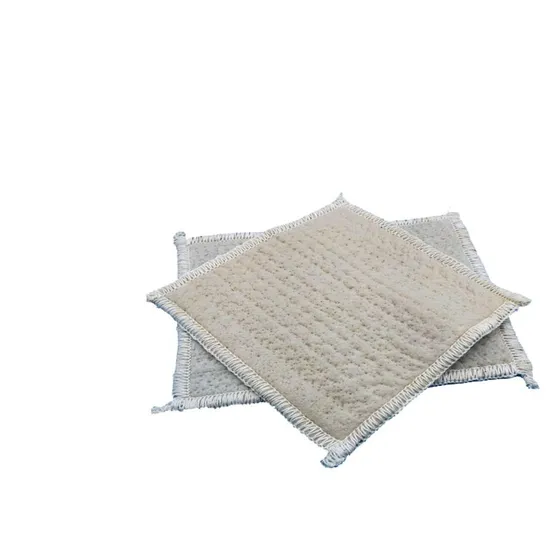 Бентонитовые маты (ГКЛ)
 Иглопробивной армированный бентонитовый мат из натриевого бентонита по GRI-GCL3.
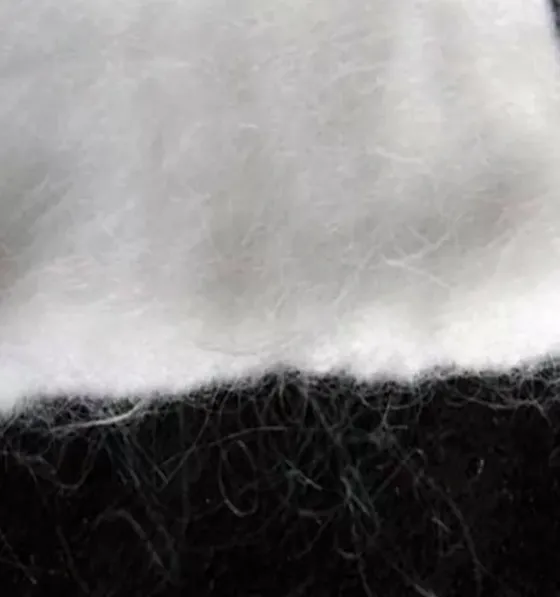 Геотекстиль
 Иглопробивной нетканый геотекстиль (дорнит) из штапельного волокна ПЭ/ПП по AASHTO M288.
 Противоэрозионная защита
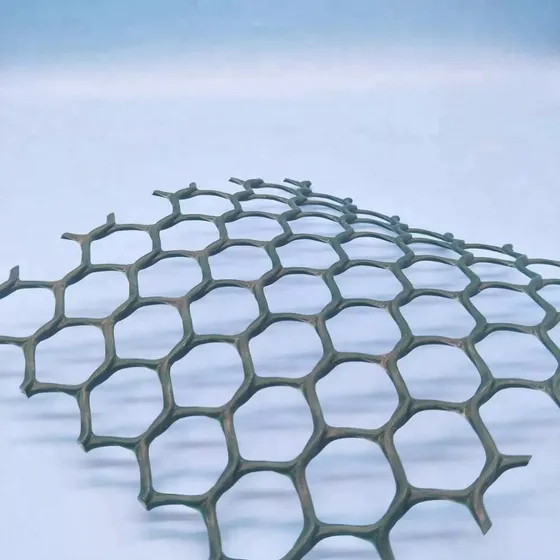
 Экструдированная плоская сетка из ПНД (геосетка) в 7 моделях, 550–1240 г/м² — для укрепления откосов, ограждений и армирования грунта.
Сообщите ваше применение и количество — наша команда отвечает в течение одного рабочего дня.