Две разные конструкции для одной задачи
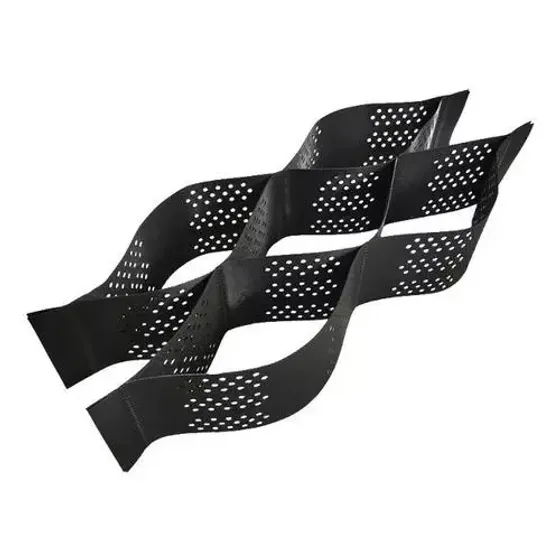
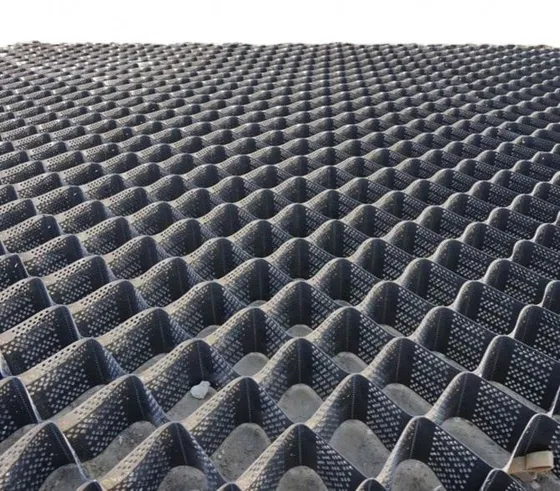
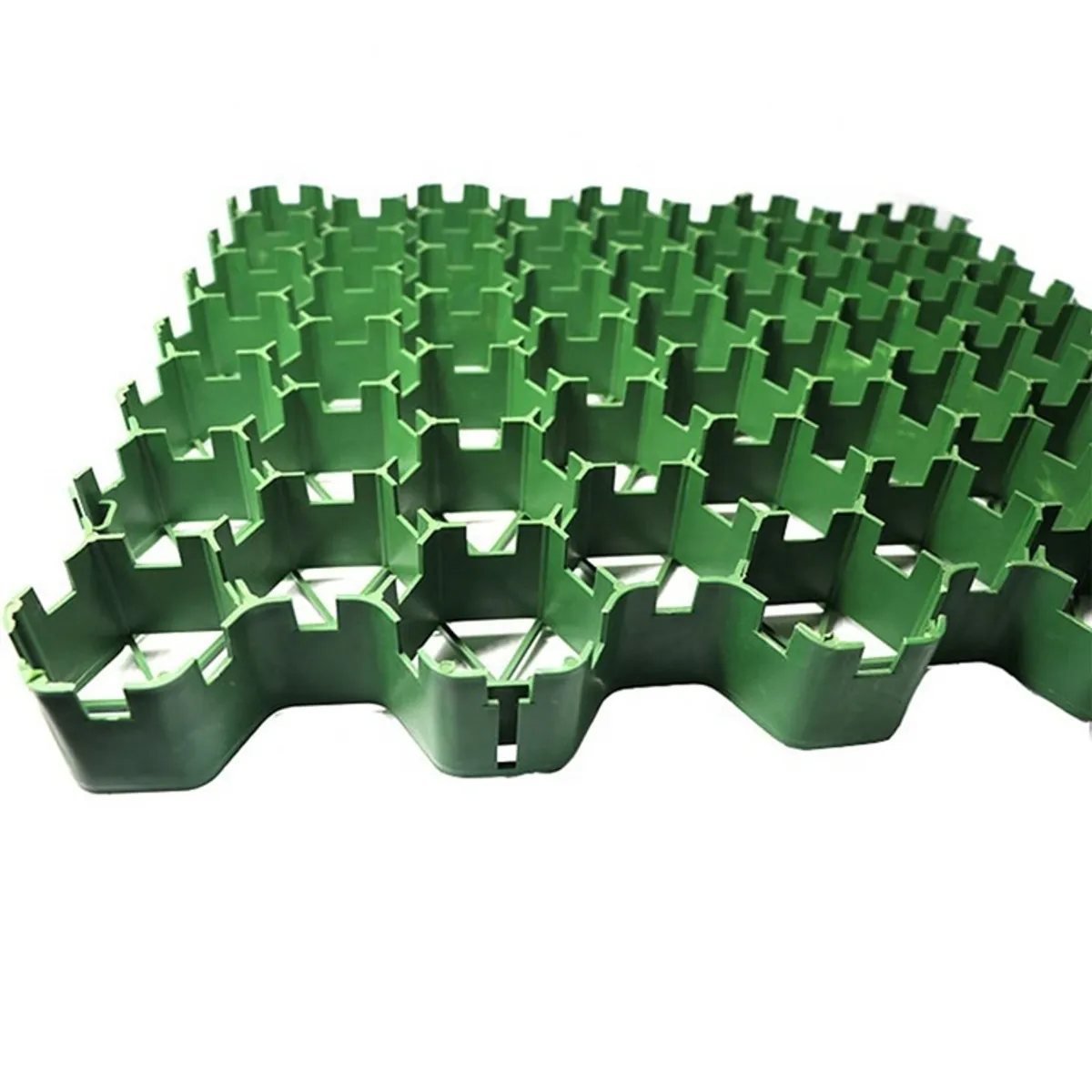
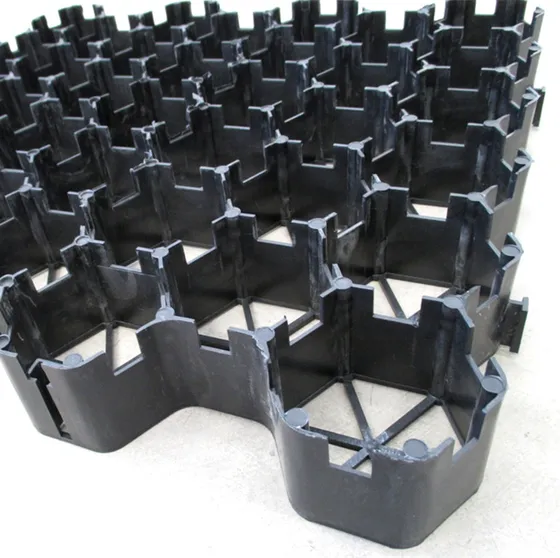
Оба изделия удерживают рыхлую засыпку от расползания под нагрузкой — отсюда и путаница. Гравийная решётка — это жёсткая неглубокая решётчатая панель ПНД, ячейки обычно 30-40 мм, защёлкивающаяся в плоское полотно, которое заполняют гравием или засевают травой. Объёмная георешётка — гибкая сетка из сваренных лент ПНД, которая раскрывается на объекте в глубокий сотовый мат, 75-200 мм ячейки, рассчитанный на удержание щебня или грунта под реальной нагрузкой или на откосе. Один принцип, разная глубина и разная гибкость — в этом и весь вопрос выбора между гравийной решёткой и объёмной георешёткой. Если вы искали ещё и геосетку: геосетка — это плоское полотно, которое закладывают внутрь слоя грунта на растяжение, а не трёхмерная ячейка вовсе — другое изделие, другая задача, путать их не стоит.
Гравийная решётка: проезды, парковки, ровные дорожки
Гравийная решётка окупает себя на грунте, который уже ровный или близок к этому — подъездные пути, дополнительные парковки, пешеходные дорожки, площадки под глэмпинг. Низкопрофильные ячейки удерживают гравий от расползания и колееобразования под колёсами и ногами, при этом поверхность остаётся водопроницаемой, так что дренаж не превращается в отдельную проблему. Решётка под гравийную дорожку выпускается из тёмного вторичного ПНД или в светло-серой версии, которая сочетается со светлым известняком или мраморной крошкой вместо того, чтобы просвечивать чёрным сквозь камень. Дешёвая гравийная решётка с тонкими стенками гнётся и трескается под многократной нагрузкой автомобиля — для проезда с ежедневным трафиком берите усиленную решётку с рёбрами жёсткости: разница в нагрузочной способности стоит больше тех копеек, что экономятся на квадратном метре.
Объёмная георешётка: откосы, слабый грунт, высокая нагрузка
Как только грунт перестаёт быть ровным или нагрузка превышает пешеходную и легковую, мелкие ячейки гравийной решётки сдвигаются вбок быстрее, чем успевают что-то удержать — здесь на смену приходит объёмная георешётка. Более глубокие ячейки удерживают заметно более толстый слой засыпки против и силы тяжести, и колёсной нагрузки, поэтому объёмную георешётку кладут под временные дороги на слабой глине, за подпорными конструкциями и на насыпях. Для укрепления откосов возьмите текстурированную перфорированную георешётку — текстура добавляет трение с засыпкой, а перфорация пропускает корни и воду между ячейками, и то и другое важно на откосе круче примерно 1:2. На более ровном грунте и меньшей нагрузке ту же роль удержания играет гладкая объёмная георешётка — за меньшие деньги.
Сроки монтажа и стоимость
Панели гравийной решётки защёлкиваются за минуты и уходит меньше материала, поэтому это более дешёвый и быстрый вариант для простого проезда или парковки. Объёмная георешётка монтируется дольше — панель растягивают, периметр закрепляют колышками, гребень на откосе заанкеривают, — зато она удерживает намного более толстый слой и распределяет нагрузку на большую площадь, а это как раз то, что нужно слабому или наклонному грунту. Пропустите этот шаг монтажа на любом изделии — и потеряете то удержание, за которое заплатили: нерастянутая панель георешётки отдаёт всю нагрузку одной ячейке вместо мата целиком, а гравийная решётка на неспланированном грунте раскачивается и трескается под первым тяжёлым проездом. Полную последовательность монтажа объёмной георешётки смотрите в нашем руководстве по укреплению грунта георешёткой.
Что выбрать
Ровный грунт, лёгкая-средняя нагрузка, важен бюджет: гравийная решётка. Наклонный грунт, слабое основание, тяжёлый или постоянный трафик: объёмная георешётка — текстурированная на откосе или под озеленение, гладкая на ровном грунте с лёгкой нагрузкой. Сообщите форму рельефа и нагрузку, под которую проектируете, — подтвердим глубину ячейки и изделие: гравийную решётку, гладкую или текстурированную объёмную георешётку — прежде чем вы оформите заказ.
Бесплатный гид по выбору геосинтетики и спецификациям
Марки материала, подбор толщины/плотности и диапазоны цен для вашего проекта — на вашу почту.

 Георешётки для парковки