
Turbidity Curtain Installation: Anchoring, Skirt Depth and Type Selection
How to install a floating turbidity barrier: anchoring and ballast, matching skirt depth to water depth, and choosing between Type 1, 2 and 3.
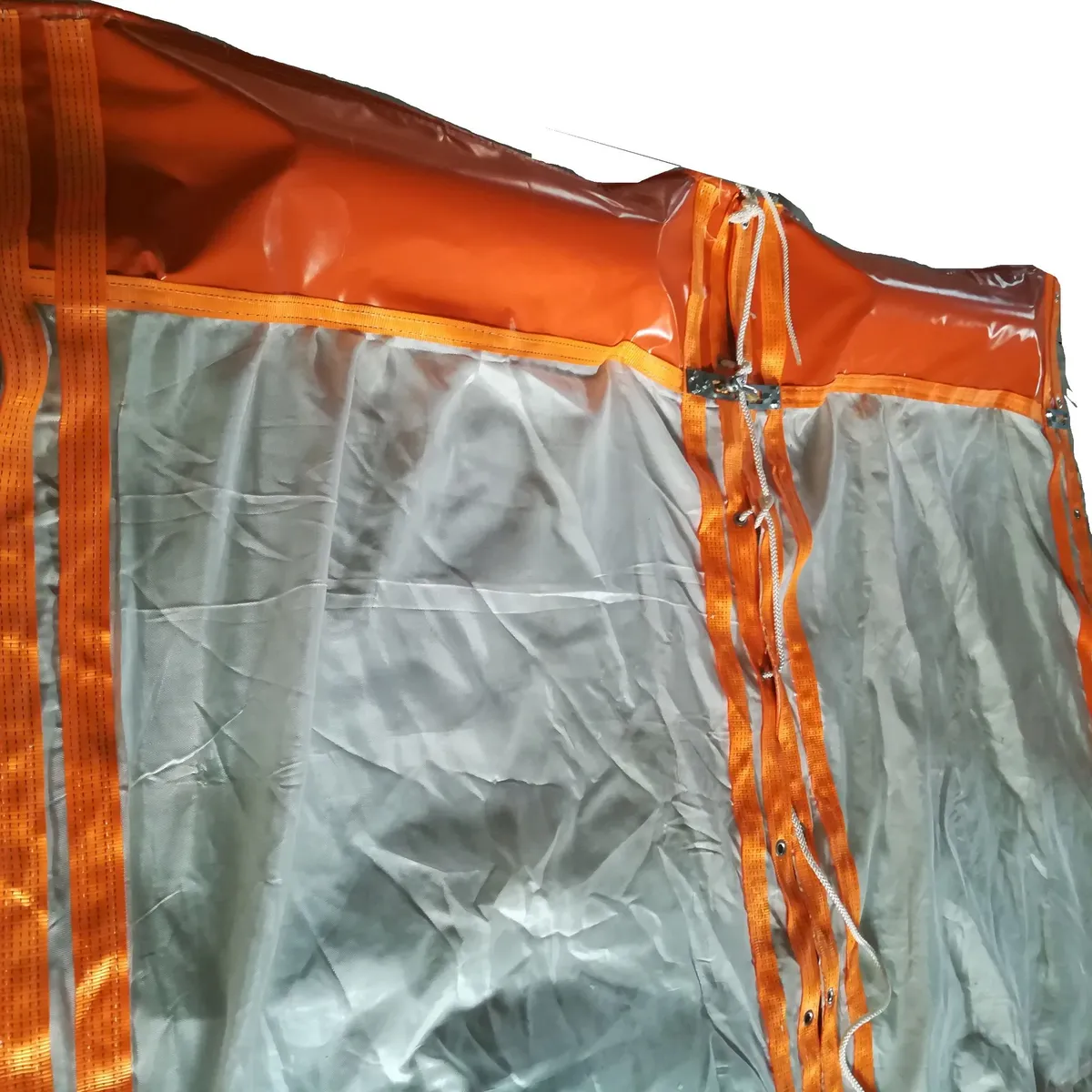
What a correct turbidity curtain installation depends on
A turbidity curtain — also called a silt curtain or turbidity boom — only works if it stays upright and in position through the water conditions it is deployed in, so floating turbidity barrier installation is really an anchoring problem more than a fabric problem. The curtain hangs from a top load line and surface flotation, with a bottom ballast chain holding the skirt vertical against current — get the anchoring wrong and even correctly rated fabric will fold over or ride up and stop containing sediment.
Matching skirt depth to water depth
The skirt (draft) needs to reach close to the bed in shallow water, or hang to a depth that intercepts the turbidity plume in deeper water where full-depth coverage is impractical. Skirt depth runs from roughly 2 ft up to 130 ft depending on curtain type, with freeboard kept at 3 in or more above the waterline so wave action does not wash over the top. Getting the water depth and bed profile wrong before ordering the skirt length is the single most common cause of a curtain that does not seal to the bottom. Survey the deepest point along the alignment, not just the average depth, since a skirt cut short by even a foot at the deepest section leaves a gap the plume can pass straight under regardless of how well the rest of the line performs.
Type 1, Type 2 or Type 3: matching the curtain to the water
Turbidity barrier design starts with three standard grades. A Type 1 curtain suits calm water — still ponds and marshes with no meaningful current or wave action. A Type 2 curtain is built for moving water: lakes, streams and tidal reaches with light current and small waves. A Type 3 curtain is the heavy-duty grade for open or tidal water carrying wind, waves and current together — a Type 3 line typically runs the heavier fabric weight, larger flotation diameter and heavier ballast chain that open-water deployment requires. Each step up also carries more freeboard and a heavier connecting belt between panels, so the fabric, flotation and chain are matched as a set rather than mixed across types. Silt curtain design is choosing the type that matches the site, not defaulting to the cheapest grade and hoping the anchoring compensates.
Deployment steps
Panels are towed out from shore or a work barge, joined end to end with ASTM aluminum couplers, and floated into position before anchoring begins. Anchors are set at intervals along the line — spacing tightens in current or tidal flow — and the curtain is given enough slack to ride the tide rather than be pulled taut against it. In moving water the curtain should be angled or bowed with the flow, not stretched straight across it, so the current does not force water and sediment under the skirt. Where the curtain crosses a channel that still needs boat traffic, a gate section or a temporary opening should be planned into the layout before deployment rather than cut into an already-anchored line. Once anchored, walk the full length and check freeboard, ballast chain tension and coupler joints before leaving the site.
Maintenance and recovery
A floating turbidity barrier needs a visual check after any change in weather or tide, not just on a fixed schedule — torn flotation, a dragged anchor or a coupler that has worked loose all show up fastest right after a storm. Sediment that builds up against the upstream face should be noted too; a curtain holding back a heavy load of trapped silt is carrying more drag than it was anchored for, and prolonged loading is what eventually pulls an anchor. Recovery at project end reverses the deployment: disconnect panels at the couplers, retrieve the ballast chain first so the skirt does not foul on the anchors, then fold and stow the fabric for reuse or the next job.
Sourcing the right grade
As the manufacturer we build turbidity curtain to all three type grades and to custom skirt depths and panel lengths outside the standard range. Tell us the water depth, current, wave exposure and total length of curtain needed and we will recommend a type rather than sell you Type 3 fabric for a calm-water job, or Type 1 fabric that will not hold on open water. Pair the curtain with a land-based silt fence where a project's sediment-control plan spans both the bank and the water.
Free Geosynthetics Spec & Selection Guide
Material grades, thickness/GSM sizing and price ranges for your project — sent to your inbox.
Related product
View Turbidity CurtainNeed a quote or a spec check?
Tell us your application and quantity — our English-speaking team replies within one business day.