
Silt Fence Installation: Trenching, Post Spacing and Maintenance
How to install a silt fence correctly: trench depth, post spacing for supported and unsupported lines, when to use wire-backed fabric, and upkeep.
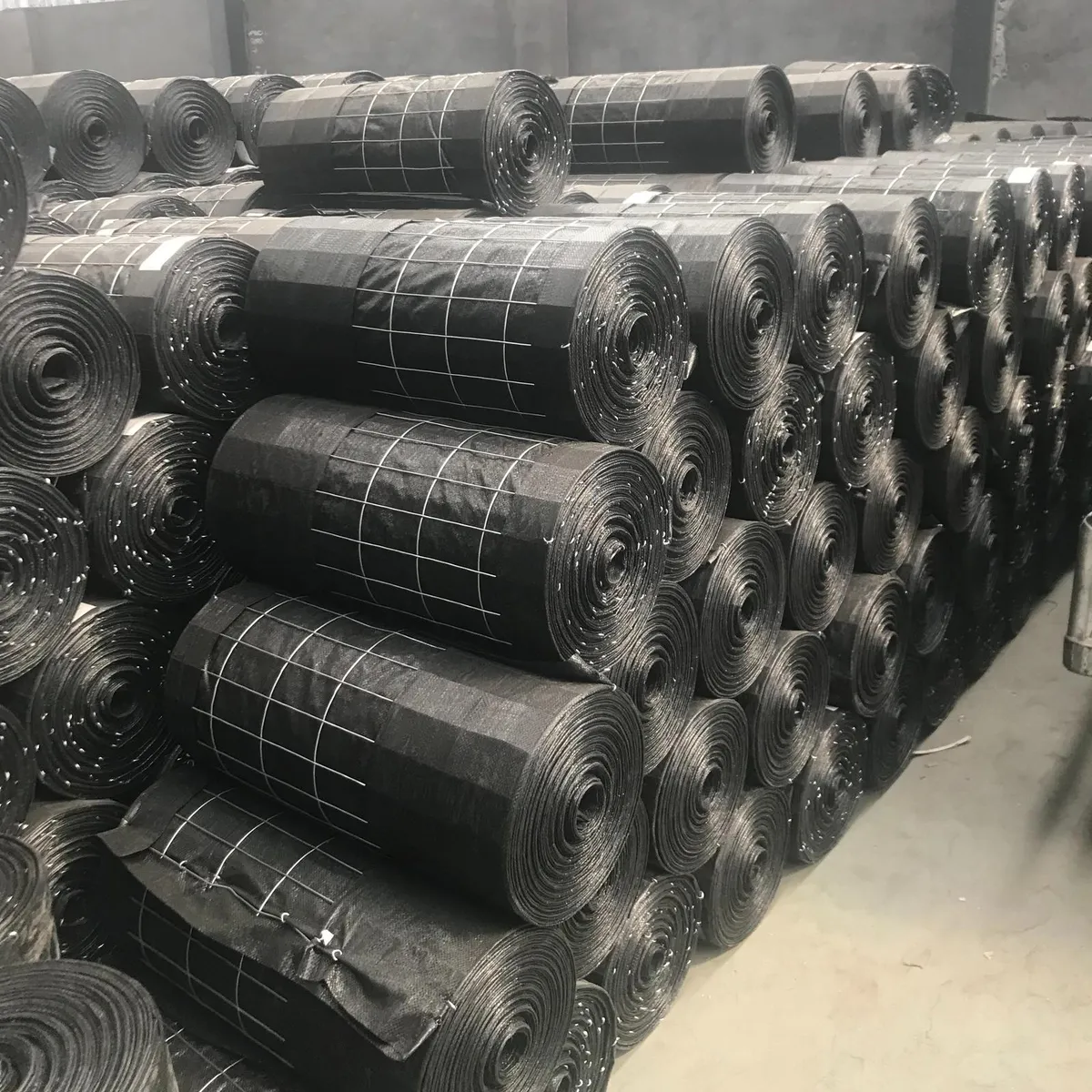
Trench it in — don't just stake it down
A correct silt fence installation starts below grade, not above it. Dig a narrow trench along the down-slope contour, roughly 150 mm (6 in) deep and 150 mm wide, then run the bottom edge of the woven fabric into the trench and backfill and tamp the soil back over it firmly enough that water cannot channel along the buried edge. Skip that step and staple the fabric to the posts at ground level instead, and the first heavy rain undercuts the line, carrying sediment straight underneath. Where one roll ends and the next begins, overlap the fabric at a post rather than mid-span so the joint has something rigid behind it. The trench is what turns a strip of fabric into an actual sediment barrier rather than a fence that only looks like one.
Post spacing and fabric height
Post spacing depends on whether the line is supported or unsupported. An unsupported silt fence — fabric and posts alone — is driven at a maximum of 4 ft (1.2 m) spacing. A wire-backed silt fence, with wire mesh behind the fabric to carry higher flow loads, allows posts out to 6 ft (1.8 m) spacing. Posts themselves are driven deep enough to stay rigid under a loaded fabric face — typically at least a third of their above-ground length into firm soil — and set on the down-slope side so the fabric is pushed against the post rather than pulled away from it as sediment builds up. Fabric ships in 24, 30 and 36 in heights; taller fabric buys more ponding depth upslope of the line before it needs checking, but the trench depth and post spacing rules stay the same regardless of height.
When to specify a wire-backed silt fence
A standard unsupported line covers routine perimeter sediment control around a stockpile or a graded lot. Where the drainage area is larger, the slope steeper, or the site sits along a ditch or channel with concentrated flow, step up to a wire-backed silt fence, sometimes sold as reinforced or heavy-duty silt fence. The wire mesh carries the hydraulic load so the fabric itself does not blow out under a full trench of ponded water — the difference shows up during a storm, not on a calm inspection day. It is also the right choice anywhere a site plan calls for a longer post spacing to cover the perimeter with fewer posts, since the wire is what lets the 6 ft spacing hold rather than the fabric alone.
Floating barriers are a different product
A silt fence is a land-based, staked barrier. Where sediment has to be contained in open water rather than on a slope, that job belongs to a floating turbidity curtain instead of a silt fence pushed into a pond. Pairing a silt fence on the banks with a turbidity curtain in the water is the standard sediment-control combination for a site that spans both land and water.
Inspection and replacement
A silt fence needs inspection after every significant rain event, not only on a weekly schedule — most SWPPP permits require both. Check for undercutting at the trench line, sediment built up to within roughly a third of the fabric height — past that point it should be removed rather than just monitored — and any tears, sagging or leaning posts between runs. UV-stabilized woven fabric holds its strength through a normal construction schedule, but a line left standing for a full season or longer should be checked for embrittlement and replaced before it fails rather than after; fabric that has gone stiff, faded or brittle to the touch has used up its UV life and is due for a fresh roll regardless of how it looks from a distance.
What drives the cost
Silt fence cost per foot moves with three things: fabric weight and grade, whether it is wire-backed, and the total roll length ordered. A basic unsupported line bought in bulk rolls runs cheaper per foot than a wire-backed, assembled-with-stakes version bought in short runs. Rather than quote a number that will not match your project, we ask for the fabric height, roll length, backing requirement and quantity and price it against those specifics. The useful way to compare silt fence manufacturers and suppliers is fabric grade plus total delivered cost, not a headline number. As a manufacturer we supply plain fabric on 100 ft or 300 ft rolls, or fence pre-assembled with stakes ready to drive in, in 24, 30 or 36 in heights, and we can quote wire-backed lengths alongside standard unsupported runs on the same order so a site can carry both configurations from one supplier.
Free Geosynthetics Spec & Selection Guide
Material grades, thickness/GSM sizing and price ranges for your project — sent to your inbox.
Related product
View Silt FenceNeed a quote or a spec check?
Tell us your application and quantity — our English-speaking team replies within one business day.