
 Геомешки и геотубы
 Геотуба (geotube)
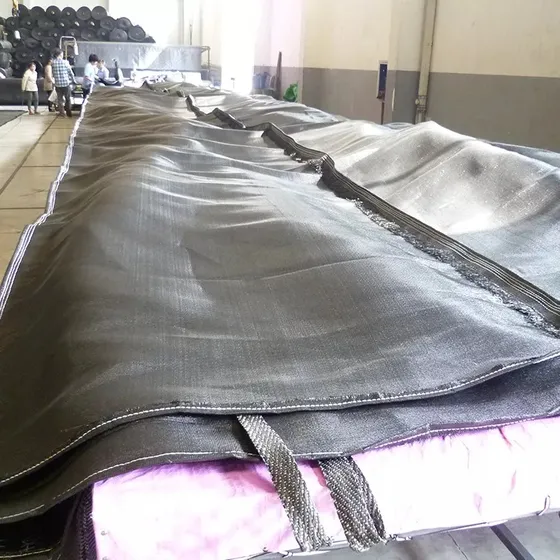
Геотуба — крупный готовый контейнер из тканого геотекстиля для обезвоживания осадка и удержания дноуглубительного грунта.
- Тканый геотекстиль
- Обезвоживание
- Любого размера
Геотубы для обезвоживания: пульпу закачивают в трубу из тканого геотекстиля, вода уходит сквозь полотно, а твёрдая фракция уплотняется внутри.
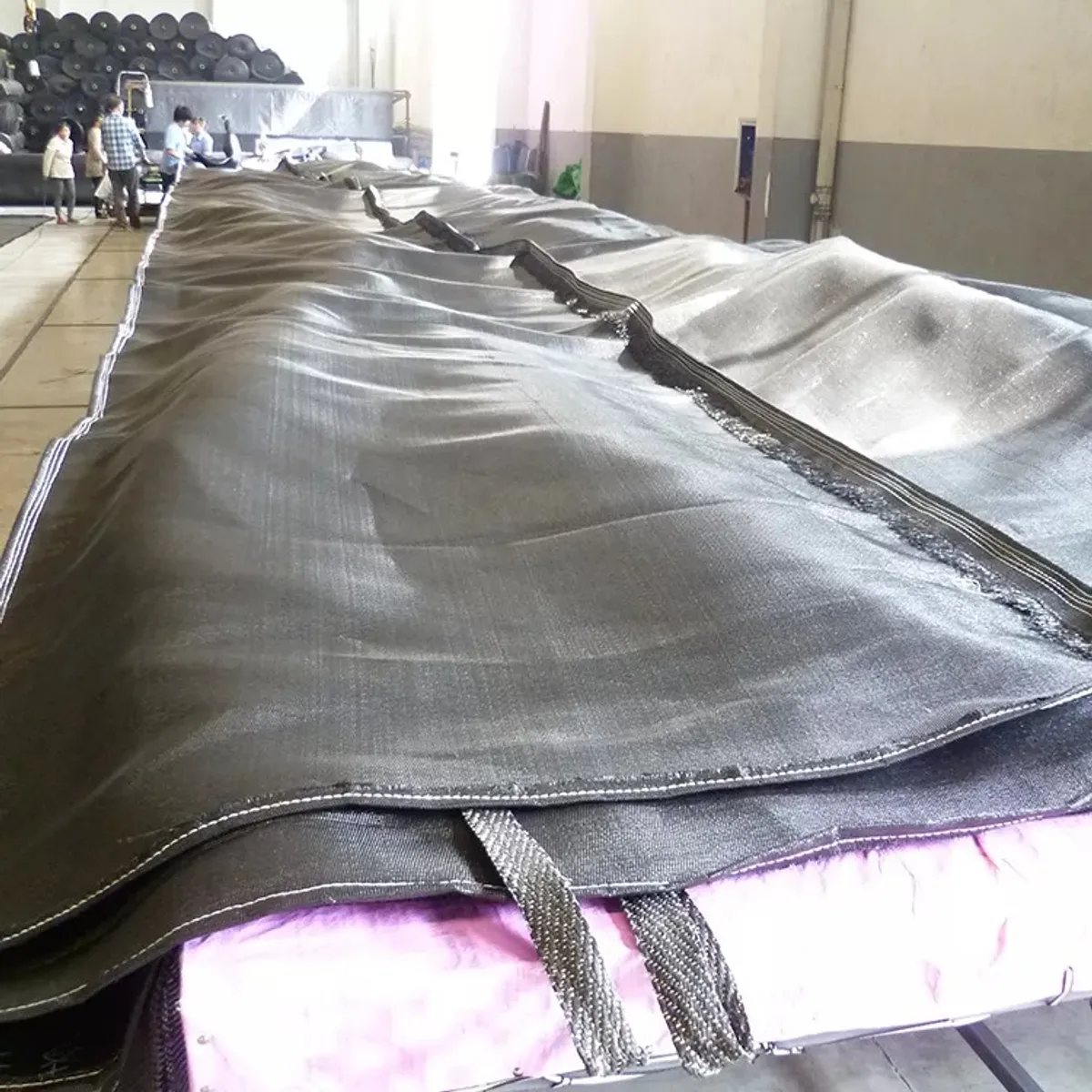
Геотуба — это крупная труба из тканого геотекстиля, которую заполняют, закачивая пульпу — донный ил после дноуглубления, городской или промышленный осадок, хвосты обогащения — прямо через патрубки, вшитые в полотно. Сами геотубы для обезвоживания и выполняют разделение: тканый геотекстильный фильтр рассчитан по кажущемуся размеру пор (AOS) — достаточно мелкому, чтобы удержать твёрдые частицы, и достаточно крупному, чтобы под напором насоса пропустить свободную воду сквозь переплетение. Вода выходит через стенки полотна и уходит в дренаж (либо собирается и очищается), а твёрдая фракция уплотняется и коркуется внутри. Заполнение идёт циклами — закачали, дали отфильтроваться и осесть, закачали снова, — поэтому одна геотуба может пройти несколько циклов заливки, пока удерживаемый материал усаживается, часто до доли исходного объёма, и заметно превосходит по итогу фильтр-пресс или центрифугу той же стоимости оборудования. Именно поэтому геотубы для обезвоживания осадка вытеснили илонакопители и открытые площадки сушки на многих объектах: не нужно механическое обезвоживающее оборудование, не нужен оператор у пресса, а само ограждение одновременно служит фильтром.
Та же труба, заполненная песком вместо ила, становится конструктивным элементом. Берегоукрепление геотубами использует уложенные рядами или в один слой трубы как подводные волноломы, буны, ядра дюн и подпор морских стенок — заполняют их на месте намытым или привозным песком через те же патрубки (геотуба для земснаряда работает по той же схеме), так что береговая бригада получает устойчивую самоутяжелённую конструкцию без завоза каменной наброски. Правильно подобранная геотуба для берегозащиты требует тканого полотна с прочностью на разрыв и прочностью шва, достаточной, чтобы выдержать полную гидравлическую заливку без разрыва, плюс UV-стабилизированную нить, поскольку такие конструкции годами стоят открытыми на пляже или дюне, а не под землёй. Мы поставляли полотно и для геотубного обезвоживания, и для постоянных береговых сооружений — спецификация ткани для них разная: обезвоживающая труба оптимизирована под скорость фильтрации, береговая — под прочность на разрыв и стойкость к УФ. Скажите нам заранее, что вы строите, прежде чем заказывать рулоны.
Муниципальные очистные и промышленные площадки (бумкомбинаты, пищевое производство, кожевенные заводы, промывочные установки на ГОКах) образуют осадок, который в основном состоит из воды по массе, — возить его мокрым дорого, а полигоны часто не принимают его выше заданной влажности. Геотекстильный фильтр-мешок или геотуба для ила, установленная на облицованной площадке рядом с отстойником, закачивается прямо из линии осадка; полимерное кондиционирование перед насосом ускоряет флокуляцию, чтобы полотно улавливало мелкую фракцию, а не забивалось. Фильтрат становится достаточно прозрачным уже в первом цикле заливки, чтобы сбросить его или пустить в оборот, а удержанная корка сохнет на месте от нескольких дней до нескольких недель в зависимости от климата и типа осадка. Небольшие объёмы — несколько кубометров за раз после чистки резервуара или из карманов донного ила — лучше подходят для отдельного геотекстильного мешка, а не полноразмерной трубы; принцип фильтрации тот же, просто в меньшем масштабе и легче перемещается после обезвоживания.
У хвостохранилищ жидкой пульпы своя долгосрочная ответственность — именно аварии дамб на мокрых хвостохранилищах и заставляют регуляторов сегодня продвигать обезвоженные или отфильтрованные хвосты как более безопасный способ размещения. Обезвоживание хвостов геотубами на ГОКе работает так же, как обезвоживание осадка, только в промышленном масштабе: пульпа хвостов из технологического цеха закачивается в ряды крупногабаритных труб на облицованной площадке, вода декантируется и возвращается в технологический цикл, а обезвоженный кек хвостов складируют или вывозят на сухой отвал вместо того, чтобы держать его за земляной дамбой. Здесь выбор полотна важен как нигде: хвосты бывают абразивными и химически агрессивными, поэтому тканому геотекстилю нужна стойкость к проколу и истиранию, чтобы выдержать многократную гидравлическую заливку без разрыва шва. На точке сброса декантированной воды, если она возвращается в открытый водоём, ставьте противоиловую завесу, чтобы остаточная взвесь осела прежде, чем вода снова окажется в естественном русле.
Спецификацию определяют три цифры: содержание твёрдой фазы и гранулометрия пульпы (задаёт нужный AOS, чтобы удержать мелочь и не забить переплетение), требуемая прочность на разрыв и по шву (её задают геотубы размеры — диаметр трубы, высота заливки и число планируемых циклов), и общий объём полотна (длина трубы × периметр × количество труб). И цена геотекстильных мешков, и геотуба цена в основном зависят от плотности полотна (г/м²) и качества шва, а не от бренда, — более тяжёлое высокопрочное тканое полотно стоит дороже за квадратный метр, но выдерживает больше циклов заливки, поэтому цена за цикл часто оказывается ниже. Мы подбираем тканый геотекстиль под данные испытания вашей пульпы (простого баночного теста или лабораторной проверки AOS достаточно для старта) и отгружаем готовые геотубы и геомешки, скроенные и сваренные под ваши патрубки заливки и размеры площадки, так что на объекте ничего не приходится доваривать.
Бесплатный гид по выбору геосинтетики и спецификациям
Марки материала, подбор толщины/плотности и диапазоны цен для вашего проекта — на вашу почту.
Свободная вода уходит в течение часов после цикла заливки; полная консолидация до штабелируемого кека обычно занимает от одной до нескольких недель в зависимости от типа осадка, климата и того, сколько циклов заливки и отдыха допускает график. Мелкая, глинистая пульпа сохнет дольше, чем песчаный донный ил.
Принцип фильтрации один и тот же — тканый геотекстильный фильтр-мешок удерживает твёрдую фракцию и пропускает воду, — но геомешок это единичное сшитое изделие под небольшие разовые объёмы (чистка резервуара, небольшой карман донного ила), а геотуба — это длинная непрерывная труба, которую заполняют через несколько патрубков по длине под большой постоянный поток пульпы, как на линии хвостов ГОКа или на дноуглубительном проекте.
Да — в этом и смысл сухого складирования хвостов. Пульпа закачивается в геотубы на облицованной площадке, декантированная вода возвращается в технологический цикл, а обезвоженный кек складируют или вывозят, убирая тот самый стоячий водоём, из-за которого обычные дамбы хвостохранилищ несут риск аварии.
Дайте нам гранулометрию пульпы или результат баночного теста и планируемое давление заливки — мы подберём кажущийся размер пор (AOS) под удержание вашей мелкой фракции, зададим прочность на разрыв и по шву под диаметр трубы и число циклов заливки, а затем посчитаем плотность полотна и геотуба цена от этой спецификации, а не от общей цифры г/м².
Геомешки и геотубы Геотуба — крупный готовый контейнер из тканого геотекстиля для обезвоживания осадка и удержания дноуглубительного грунта.
 Геомешки и геотубы
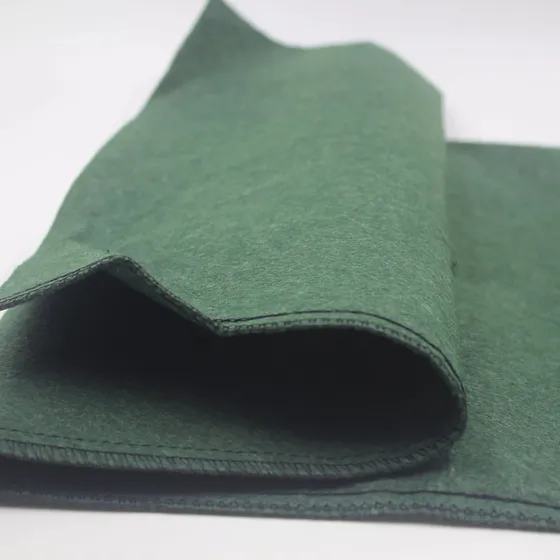
 Геомешок — мешок из тканого или иглопробивного геотекстиля ПП/ПЭТ, заполняемый песком или грунтом для защиты берегов, дноуглубления и обезвоживания.
 Геотекстиль
 Высокопрочная тканая геоткань (высокомодульная нить ПП / ПЭТ) по AASHTO M288 — для разделения, стабилизации и армирования под дорогами.
Сообщите ваше применение и количество — наша команда отвечает в течение одного рабочего дня.