
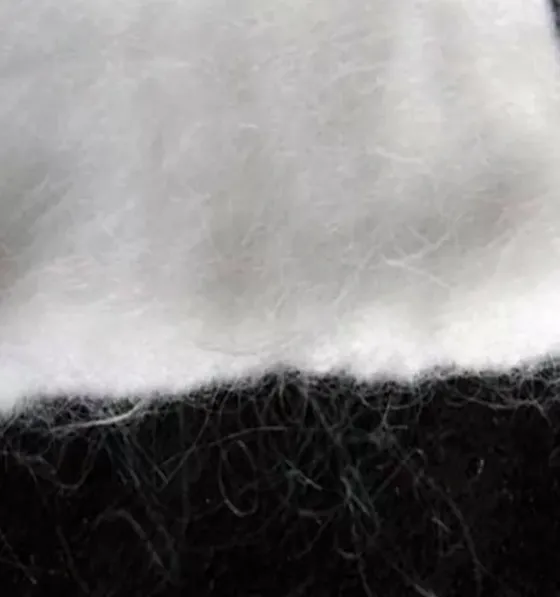
 Геотекстиль
 Нетканый геотекстиль (дорнит)
Иглопробивной нетканый геотекстиль (дорнит) из штапельного волокна ПЭ/ПП по AASHTO M288.
- AASHTO M288
- Иглопробивной · ≥50% удлин.
- Фильтрация · дренаж
Как выбрать плотность геотекстиля в г/м² для дренажа, разделения и фильтрации — и почему сам вес ещё не вся спецификация.
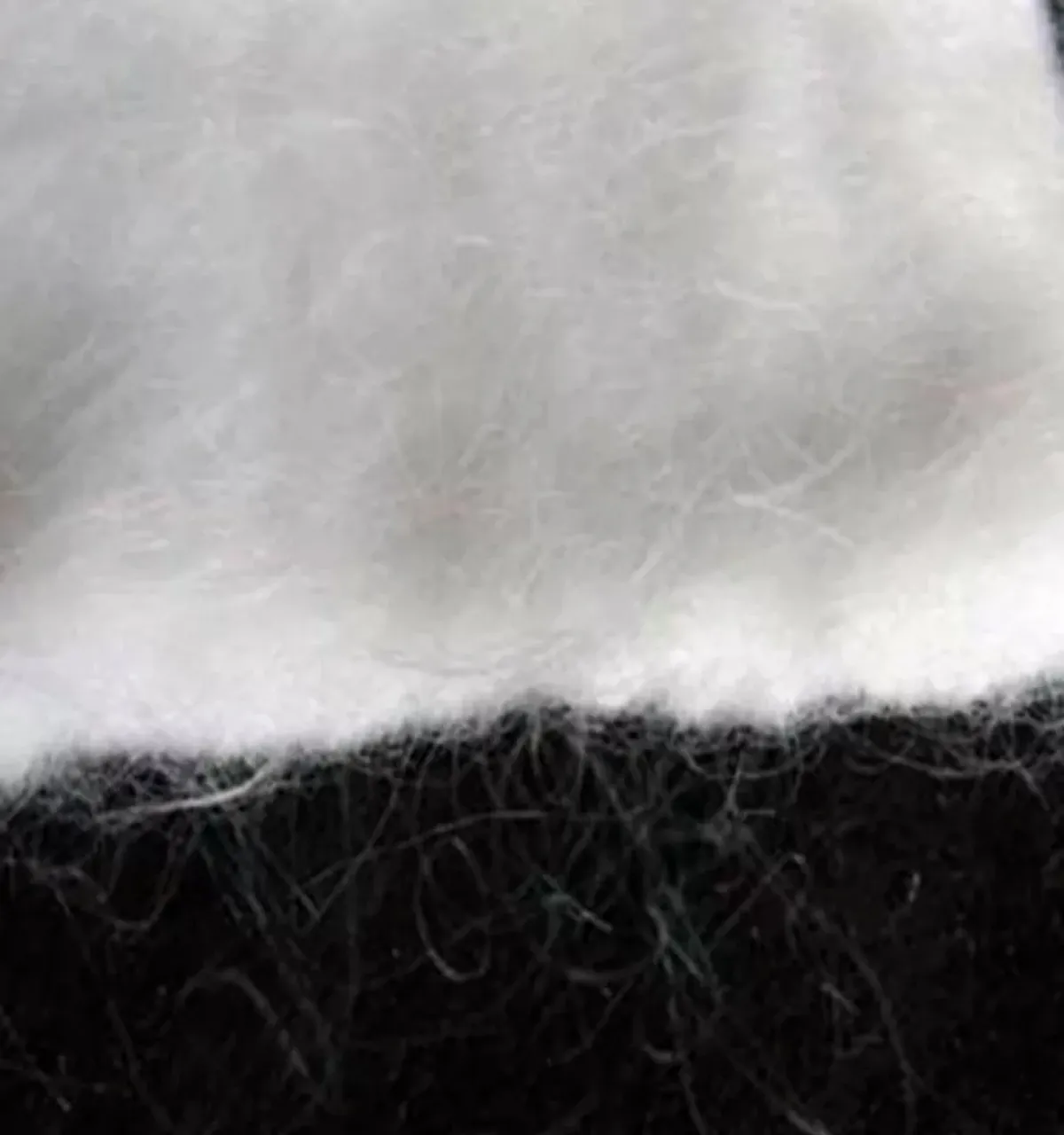
Геотекстиль продают по весу, потому что это самое простое число для этикетки на рулоне, но граммы на квадратный метр (г/м²) или унции на квадратный ярд (oz/yd²) говорят лишь о том, сколько материала в полотне. Примерно 1 oz/yd² — это около 34 г/м², то есть нетканый геотекстиль на 4 унции держится около 130–140 г/м², а на 8 унций — около 270 г/м²; это удобно, чтобы сравнить два нетканых рулона между собой, и бесполезно, чтобы сравнить нетканое полотно с тканой геотканью той же плотности. Геоткань и нетканое полотно при одинаковой плотности геотекстиля ведут себя совершенно по-разному: одно — плоская решётка из лент с высокой прочностью на растяжение и низкой водопроницаемостью, второе — войлокоподобное полотно волокон с меньшей прочностью и намного более высоким расходом воды. Плотность — это стартовый фильтр для спецификации, а не сама спецификация: её нужно читать вместе с реальным показателем, от которого зависит задача, — прочностью на прокол, AOS или коэффициентом фильтрации. Для сопоставления с североамериканскими марками иглопробивного геотекстиля: 4 oz/yd² (135–150 г/м²) соответствует классу Mirafi 140N, 6 oz/yd² (200 г/м²) — классу Mirafi 160N, а 8 oz/yd² (270 г/м²) — классу Mirafi 180N.
Для защиты слабого или мелкозернистого основания от щебня плотность геотекстиля на самом деле — это показатель прочности на прокол и на растяжение против того, что едет сверху. Лёгкий нетканый геотекстиль 100–150 г/м² (примерно 3–4,5 унции) разделяет отсыпку и приличное основание под пешеходной нагрузкой — садовые дорожки, патио, лёгкое благоустройство. Как только появляется техника или CBR основания падает ниже примерно 3, переходите на нетканый геотекстиль 200–270 г/м² или на геоткань под щебень для проезда — геоткань несёт больше растягивающей нагрузки на грамм веса, чем нетканое полотно, и лучше сопротивляется продавливанию под гружёным колесом. Брать плотность выше, чем требует нагрузка, — это просто лишние деньги без прироста разделяющей способности: полотно давно не самое слабое звено, слабое звено — толщина и уплотнение отсыпки.
Свойство, которое реально управляет фильтрацией, — это размер пор AOS (наибольшая частица, которую пропустит полотно), а не г/м². Два нетканых полотна одной плотности могут иметь разный AOS в зависимости от толщины волокна и того, насколько плотно они иглопробиты, поэтому в спецификации фильтрующего нетканого геотекстиля AOS должен стоять рядом с плотностью. При этом плотность всё же важна на границах: очень лёгкое полотно легче 100 г/м² может иметь тонкие места, через которые со временем просачиваются мелкие частицы, тогда как геотекстиль плотностью 150 г/м² или нетканое полотно на 8 унций даёт более толстый и однородный фильтрующий слой для илистых и разнородных грунтов, где лёгкое полотно рано или поздно забьётся или пропустит частицы. Для французских дренажей и обмотки дренажных труб рабочая лошадка — нетканый фильтр плотностью 150–200 г/м²; тканый фильтрующий геотекстиль (мононить, не плетёная лента) — лучший выбор там, где нужна фильтрация плюс реальная прочность на растяжение, например за дренажом подпорной стенки.
Это единственное место, где тяжелее — не значит лучше. Нетканый геотекстиль для дренажа работает потому, что его иглопробитые волокна создают трёхмерную структуру с внутриплоскостной водопроницаемостью — вода идёт сквозь толщу полотна, а не только по поверхности, — но поднимите плотность слишком высоко, и полотно сожмётся под нагрузкой, закрыв те самые поры, через которые шла вода. Для обмотки перфорированной трубы или облицовки щебневой траншеи обычный диапазон — нетканое полотно 150–200 г/м²; переход на 8 унций и тяжелее оправдан только там, где полотно одновременно решает задачу разделения на очень мелком или неустойчивом основании. Тканая мембрана в дренаже работает иначе: мононить лучше держит размер пор под уплотняющей нагрузкой, чем нетканое полотно, поэтому её чаще ставят в конструктивный дренаж — за габионными стенками, под балластом железной дороги, — где поток должен пережить реальное уплотнение, а не просто самотёк.
Не любая задача конструктивная. Геотекстиль от сорняков или нетканое полотно для ландшафтных грядок и мульчи должны просто перекрыть свет и прорастание корней, поэтому 70–100 г/м² вполне достаточно — платить за 300 г/м² здесь — деньги на то, что грядке не нужно. С другой стороны, подложка геотекстиля под брусчатку, искусственный газон или гравийный проезд обычно лежит в диапазоне 150–200 г/м², и белый геотекстиль в этом же диапазоне стоит запросить на видимых ландшафтных объектах, где чёрное нетканое полотно будет просвечивать через светлый камень. Рулоны идут стандартной длины — геотекстильное полотно 4,5 × 100 м частый размер для крупных задач разделения и фильтрации, это снижает число швов и нахлёстов. Если сравниваете плотность с полной стоимостью проекта, наш гид по ценам на геотекстиль показывает, как плотность, ширина и длина рулона двигают цену за квадратный метр, а сравнение геоткани и нетканого полотна раскрывает разницу конструкций подробнее, чем может дать одна плотность.
Бесплатный гид по выбору геосинтетики и спецификациям
Марки материала, подбор толщины/плотности и диапазоны цен для вашего проекта — на вашу почту.
Это около 130–140 г/м² — лёгкая плотность для фильтрации у дренажных труб, разделения под пешеходными дорожками и общего ландшафтного применения. Эту плотность не стоит закладывать под нагрузку техники или на слабое, плохо дренирующее основание — там переходите на 200 г/м² и выше.
Сам по себе нетканый геотекстиль 150 г/м² скорее лёгкий для проезда с регулярным движением техники — он больше подходит патио и дорожкам с пешеходной нагрузкой. Под проезд либо берите более тяжёлый нетканый геотекстиль 200–270 г/м², либо переходите на геоткань, которая несёт больше прочности на растяжение и прокол на грамм веса.
По умолчанию для дренажа берут нетканый геотекстиль — его войлокоподобная структура продолжает пропускать воду сквозь толщу даже при лёгком уплотнении. Тканую мононить стоит выбрать вместо него там, где дренажный слой ещё и несёт реальную нагрузку — за подпорной стенкой, под конструктивной отсыпкой, — потому что она лучше держит размер пор под давлением.
70–100 г/м² нетканого полотна достаточно, чтобы перекрыть свет и большинство корней для грядок, мульчи и гравийных дорожек. Это лёгкая ландшафтная задача, а не конструктивная, так что переплачивать за более плотный фильтрующий или разделяющий геотекстиль здесь смысла нет.
Не обязательно — решающий параметр для фильтрации это размер пор AOS, а не плотность. Более лёгкое полотно с правильным AOS отфильтрует мелкий грунт корректно, а более плотное полотно с неверным AOS всё равно не сработает. Плотность важна для фильтрации в основном на грани — даёт более толстый и однородный слой против илистых и разнородных грунтов, которые рано или поздно забьют или пропустят через себя очень лёгкое полотно.
Геотекстиль Иглопробивной нетканый геотекстиль (дорнит) из штапельного волокна ПЭ/ПП по AASHTO M288.
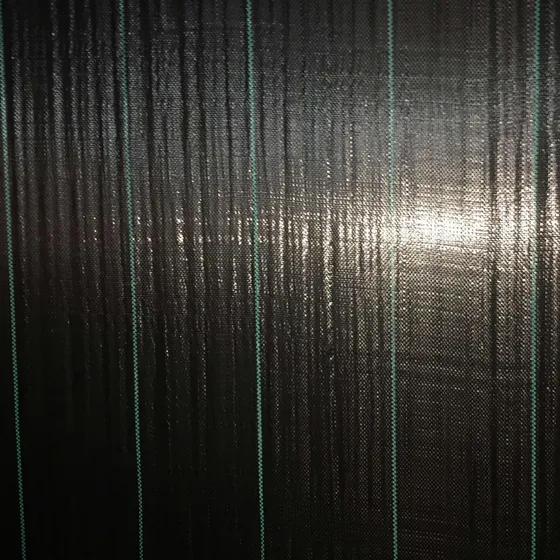 Геотекстиль
 Высокопрочная тканая геоткань (высокомодульная нить ПП / ПЭТ) по AASHTO M288 — для разделения, стабилизации и армирования под дорогами.
Сообщите ваше применение и количество — наша команда отвечает в течение одного рабочего дня.