
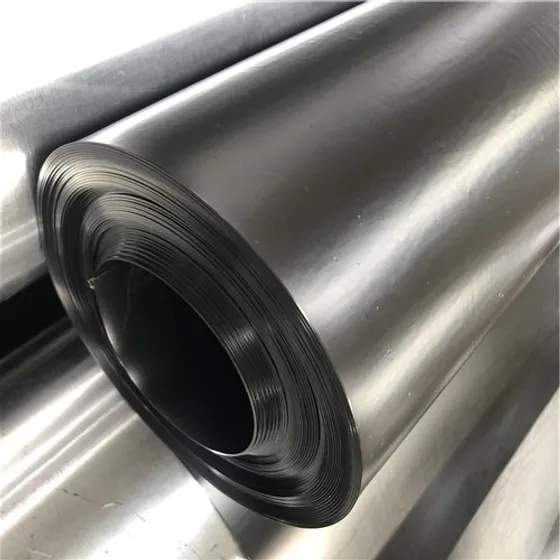
 Geomembranas
 Geomembrana PEAD
Geomembrana PEAD lisa conforme GRI-GM13 — manta de polietileno de alta densidade impermeável para lagoa, aterro e contenção, 0,75–3,0 mm.
- GRI-GM13
- 0,75–3,0 mm (30–120 mil)
- Lisa · preta
Como revestir uma lagoa para que dure: prepare a base, aplique um geotêxtil, instale e solde a manta, depois ancore e disfarce a borda.
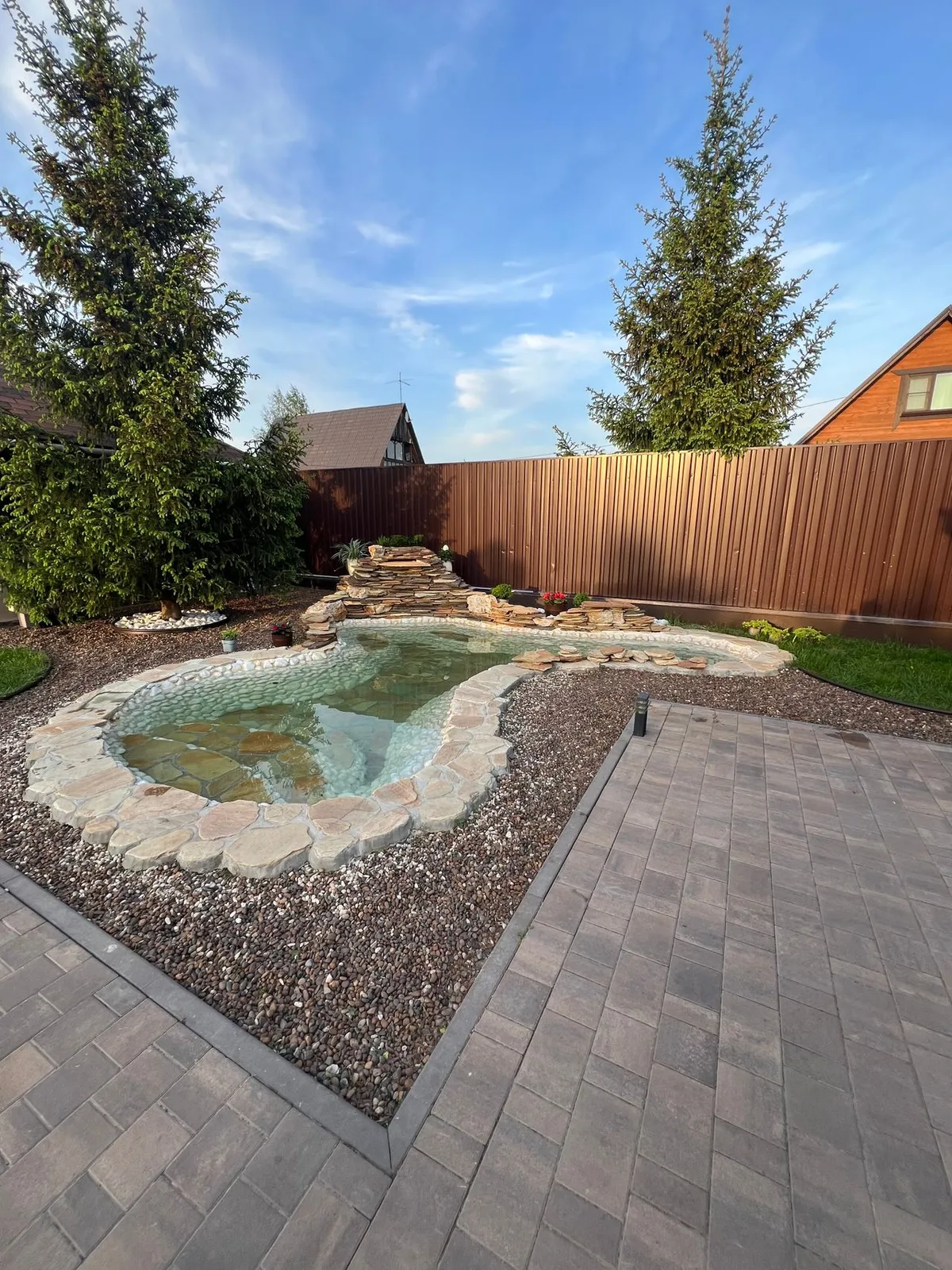
Cave um buraco na maioria dos solos e ele não vai reter água — ela escoa pela areia, pelo silte e pelos canais de raízes em poucos dias. Revestir uma lagoa é simplesmente colocar uma barreira impermeável contínua entre a água e o solo, para que o nível até onde você encheu seja o nível que se mantém. Um revestimento flexível de lagoa (uma manta de geomembrana de PEAD, LLDPE ou PVC) faz exatamente isso em todo o fundo e nos taludes, numa única camada impermeável. O trabalho se divide em quatro etapas honestas — moldar o buraco, forrá-lo, instalar e soldar a manta, depois ancorar e esconder a borda — e acertar cada uma delas é o que separa uma lagoa que segura água por vinte anos de uma que já começa a vazar no primeiro verão.
Antes de qualquer escavação, decida qual manta usar. Uma lagoa ornamental pequena ou uma lagoa de peixes com revestimento sobre uma base limpa e nivelada funciona bem com geomembrana PEAD de 0,5–0,75 mm; um reservatório de irrigação ou uma lagoa maior com taludes sobe para 1,0 mm; qualquer coisa que retenha efluente ou fique sobre uma base pedregosa e irregular pede 1,5 mm mais um geotêxtil de proteção por baixo. O PEAD é o material mais usado — estável aos raios UV, quimicamente resistente, soldável numa única manta sem costura —, enquanto a geomembrana LLDPE troca um pouco de resistência por mais flexibilidade em formatos apertados e com curvas. Dimensione a manta pela área da lagoa mais duas vezes a profundidade máxima em cada lado, para que ela alcance o fundo, suba pelos taludes e ainda sobre uma aba generosa para enterrar na vala de ancoragem.
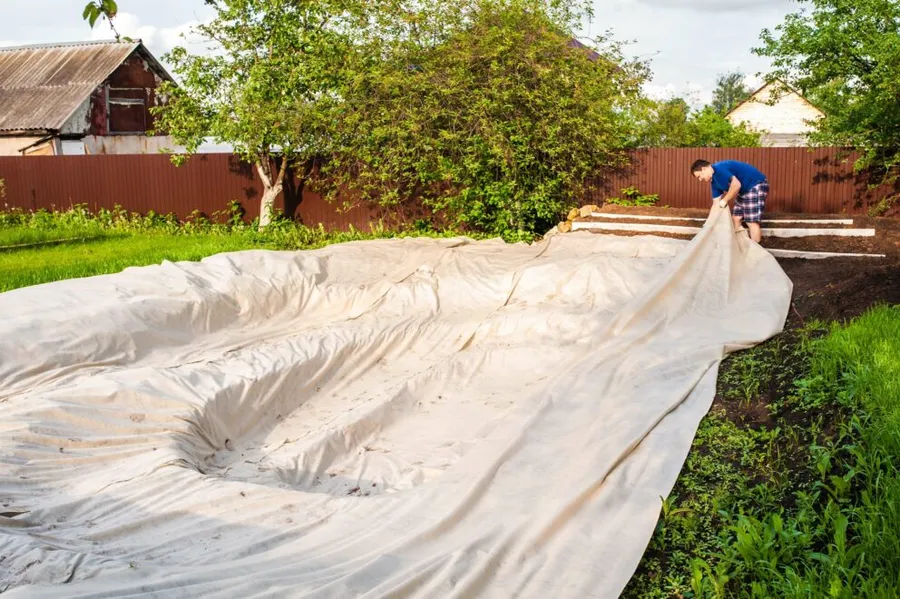
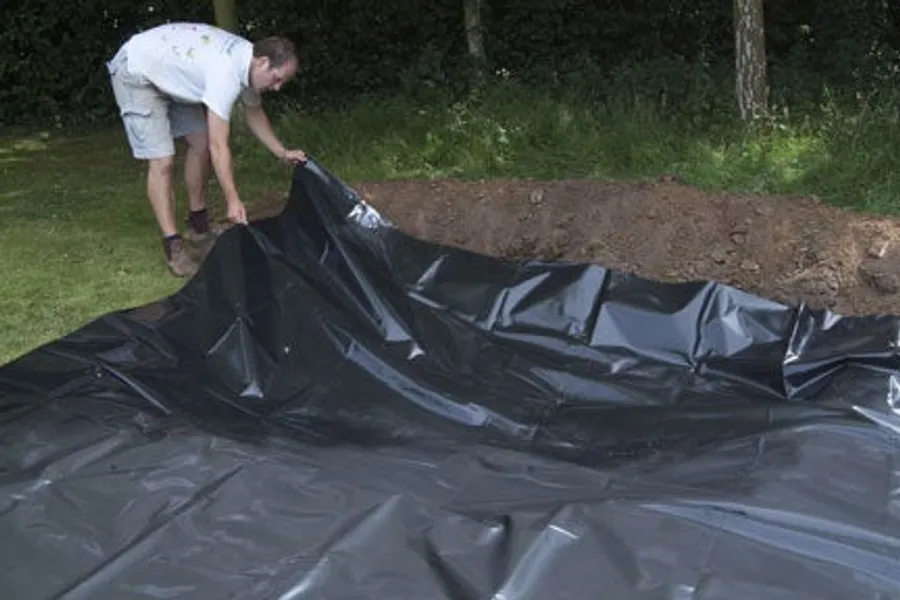
Revestir uma lagoa começa pelo buraco, não pela manta. 1) Escave e molde: escave seguindo o perfil desejado, com taludes de inclinação não mais acentuada que cerca de 1:2, para que a manta fique no lugar e seja fácil caminhar sobre ela, e corte um patamar se quiser plantas marginais. 2) Limpe e nivele a base: remova toda pedra, raiz e objeto pontiagudo, depois nivele com o rastelo e compacte levemente uma base lisa — a causa número um de vazamento é uma carga pontual furando a manta por baixo. 3) Aplique um geotêxtil de proteção: estenda um geotêxtil não tecido sobre toda a base para distribuir as cargas e evitar furos; em terreno com pedras ou raízes, essa camada não é opcional. 4) Posicione a manta: desenrole a geomembrana dentro da lagoa num dia quente, quando está flexível, trabalhando do centro para as bordas e acomodando as dobras nos cantos em algumas pregas organizadas em vez de forçá-las a ficar lisas. 5) Emende e sele as costuras: onde os painéis se sobrepõem, una-os com uma máquina de solda de cunha quente (ou solda por solvente para o PVC) e teste a costura — uma lagoa revestida só é tão estanque quanto sua emenda mais fraca. 6) Ancore a borda: leve a manta talude acima até uma vala de 300 mm de profundidade ao redor de todo o perímetro, coloque a aba dentro e reaterre; isso trava a manta e esconde a borda cortada. 7) Encha devagar: deixe a água entrar aos poucos para que a manta se acomode ao contorno e o peso a assente antes de você aparar qualquer sobra.
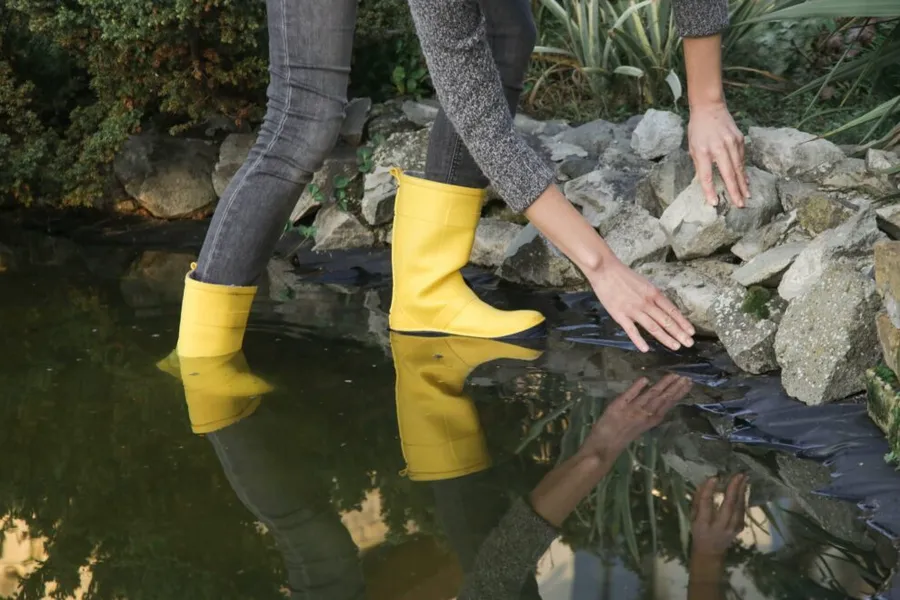
Mesmo perfeitamente soldada, a manta ainda parece plástico onde encontra o talude, por isso o último passo é disfarçar. O acabamento mais limpo combina duas coisas: uma faixa de pedra ou seixos sobre um retalho protetor de geotêxtil logo acima da linha d'água, e plantas para esconder o revestimento ao longo da borda. Boas plantas para esconder a borda do revestimento são as marginais e rasteiras que gostam de solo úmido — íris, calêndula-d'água, grama-de-santo-antônio, ciperáceas e gramíneas baixas no patamar e no talude — com a folhagem caindo sobre a borda da vala para que nenhuma faixa preta apareça acima da água. Mantenha espécies de raízes agressivas afastadas da manta em si; a vala de ancoragem e uma barreira de geotêxtil impedem que as raízes alcancem o revestimento, enquanto as folhas cuidam do disfarce. Bem-feito, o revestimento desaparece e a lagoa parece como se a água simplesmente estivesse ali, no terreno.
Informe o comprimento, a largura e a profundidade da lagoa, o tipo de base e o que ela vai reter, e nós definiremos o grau da manta, cortaremos a manta na medida certa e enviaremos a geomembrana, o geotêxtil de proteção, a vareta de solda e os acessórios numa única remessa. Solicite um orçamento de revestimento de lagoa com suas dimensões e faremos a especificação honesta, sem vender espessura que você não precisa.
Guia grátis de seleção e especificações de geossintéticos
Tipos de material, dimensionamento de espessura/gramatura e faixas de preço para seu projeto — no seu e-mail.
Sobre uma base de areia limpa e sem pedras, uma manta mais grossa pode até ser instalada sozinha; mas em terreno com pedras, raízes ou irregular, um geotêxtil não tecido de proteção (camada de base para lagoa) é o que impede que cargas pontuais furem a manta — um seguro barato contra a causa mais comum de vazamento.
0,5–0,75 mm de PEAD para lagoas ornamentais ou de peixes pequenas sobre base preparada, 1,0 mm para reservatórios maiores e 1,5 mm onde a base é irregular ou a lagoa retém efluente. Ajuste a espessura à base e à coluna d'água, não a uma regra única.
Ancore a manta numa vala ao redor do perímetro, depois disfarce a faixa visível com pedra ou seixos sobre um retalho de geotêxtil, mais plantas marginais — íris, ciperáceas, grama-de-santo-antônio — para que a folhagem caia sobre a borda da vala e nenhuma manta apareça acima da linha d'água.
Sim. Painéis de PEAD e LLDPE são soldados por cunha quente numa membrana contínua única e as costuras são testadas sob pressão, de modo que uma lagoa grande fica tão estanque quanto uma pequena. Já o PVC é soldado por solvente.
Geomembranas Geomembrana PEAD lisa conforme GRI-GM13 — manta de polietileno de alta densidade impermeável para lagoa, aterro e contenção, 0,75–3,0 mm.
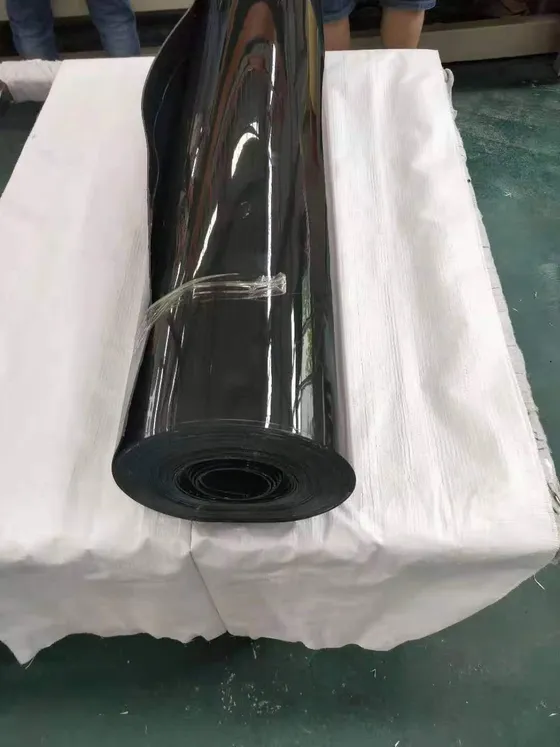 Geomembranas
 Geomembrana LLDPE lisa conforme GRI-GM17 — manta flexível de polietileno linear de baixa densidade, 0,50–3,0 mm, para aterro, lagoa e contenção.
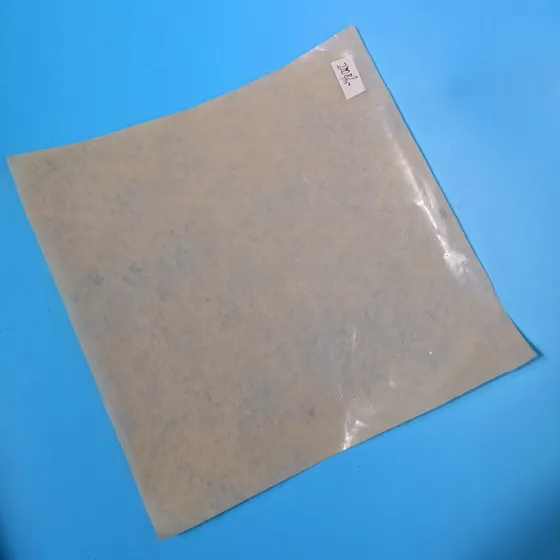 Geomembranas
 Geomembrana composta — geomembrana PEAD/PE laminada com uma ou duas camadas de geotêxtil não tecido (geocomposto de barreira) para barragens, canais e aterro.
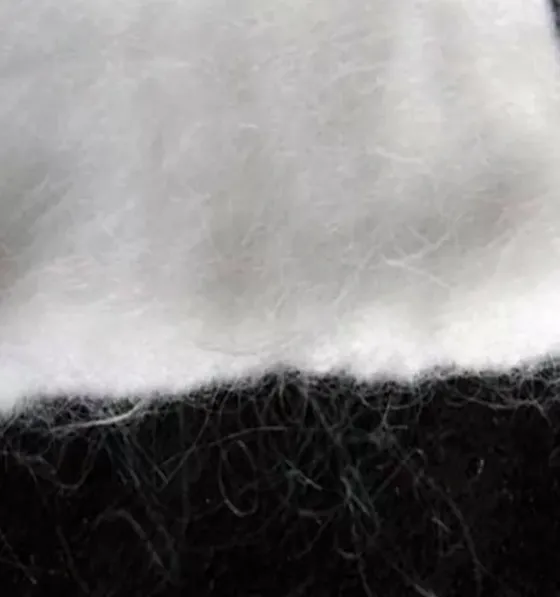 Geotêxteis
 Geotêxtil não tecido agulhado (fibra de PET / PP) conforme AASHTO M288 — para filtração, separação, drenagem e proteção em drenos franceses.
 Geotêxteis
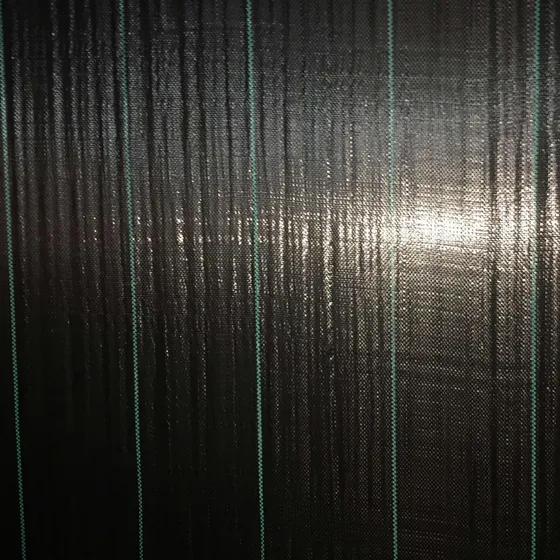
 Geotêxtil tecido de alta resistência (fio de alta tenacidade de PP / PET) conforme AASHTO M288 — para separação, estabilização e reforço em estradas e acessos.
 Geotêxteis
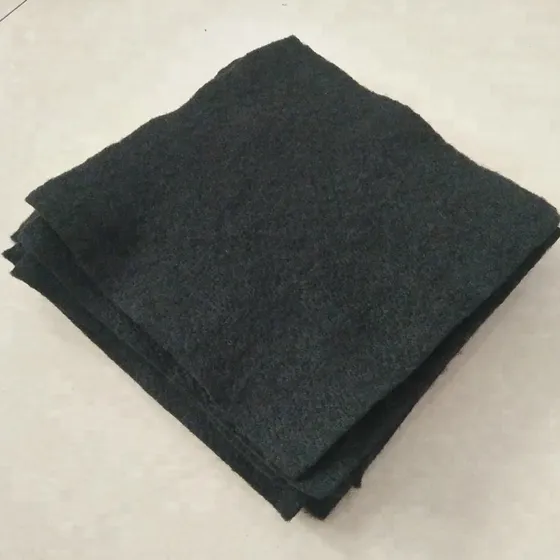
 Geotêxtil não tecido agulhado de PET conforme AASHTO M288 — manta de fibra cortada de poliéster para filtração, separação, drenagem e proteção em subleitos.
Informe sua aplicação e quantidade — nossa equipe de língua inglesa responde em um dia útil.