
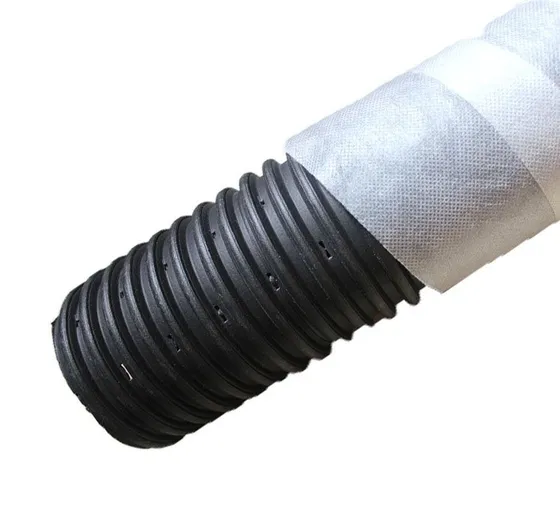
 Drainage
 Corrugated Drainage Pipe
HDPE double-wall corrugated drainage pipe (Type S) to AASHTO M294 — corrugated outside, smooth inside, solid or perforated, 4"–60" for culverts.
- AASHTO M294
- Type S dual-wall
- 4"–60" · solid / perforated
SIGMA prefabricated vertical drain (PVD), or wick drain, is a two-part band drain: a formed polypropylene drainage core wrapped in a nonwoven PP geotextile filter. Installed vertically into soft foundation soil, it provides short radial drainage paths that quickly dissipate excess pore pressure, accelerating consolidation. This shortens settlement times from many years to roughly 0.5–2 years and increases the undrained shear strength of soft clay so it can support embankment and fill loads.
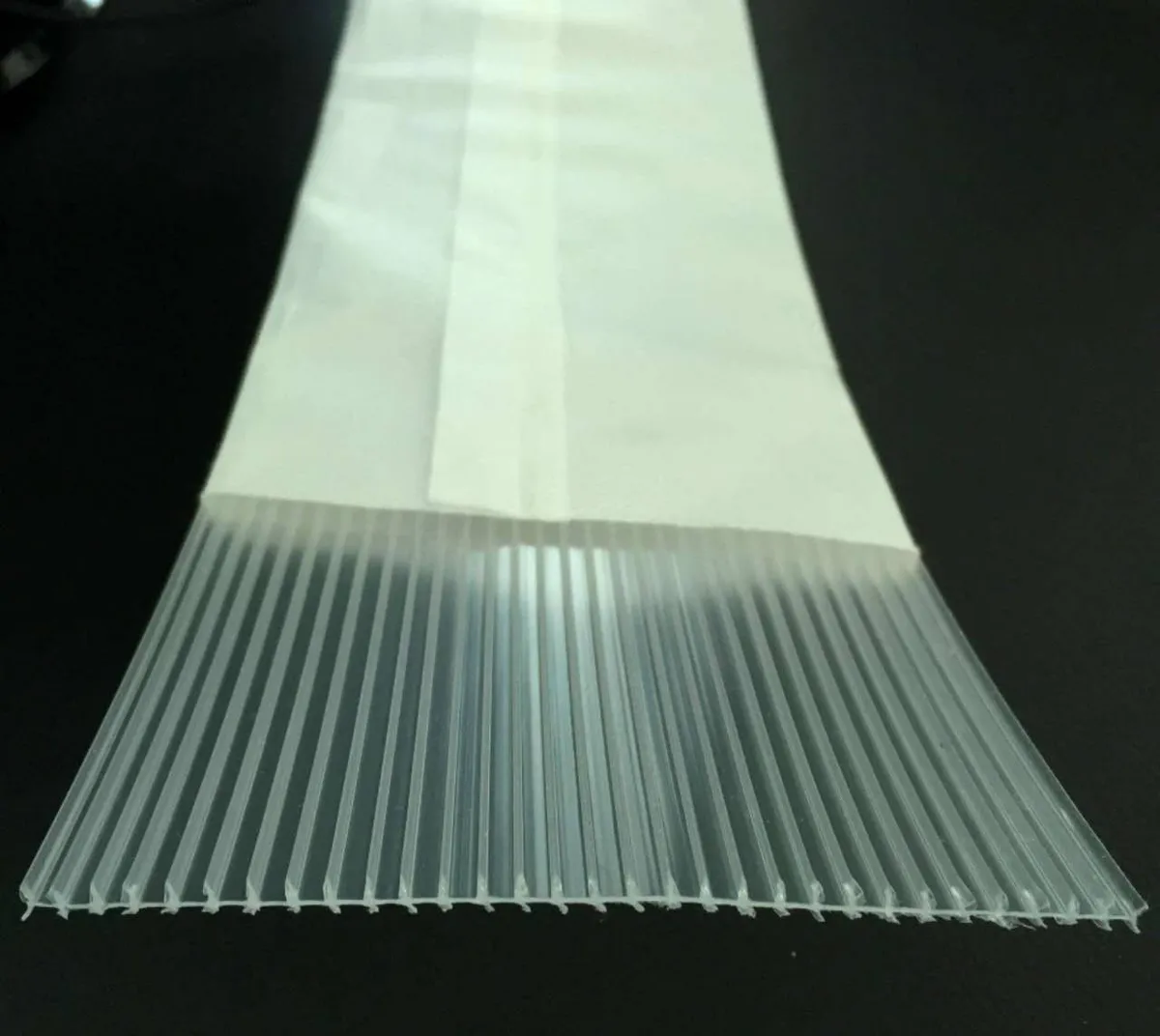
A prefabricated vertical drain (PVD), also called a wick drain, is a band drain installed vertically into soft soil. Its polypropylene core carries water while the nonwoven PP geotextile filter keeps fines out, giving the soil short radial drainage paths to a drainage blanket at the surface. Under a preload or surcharge, excess pore pressure dissipates quickly through these vertical drains, so the soft soil consolidates and gains strength in months rather than years.
The ground improvement system with SIGMA PVD is efficient and cost-effective: consolidation times for soft clay foundation deposits can be cut from many years to roughly 0.5–2 years, and the undrained shear strength of the clay is increased so it can support embankment and fill loadings. SIGMA PVD conforms to internationally recognized prefabricated vertical drain specifications, making it a standard tool for soil improvement on reclamation and soft-ground projects.
Discharge capacity is the key design property and is measured per ASTM D4716 at a stated normal pressure and hydraulic gradient, because flow falls as confining pressure rises and the filter intrudes into the core channels. Commonly cited acceptance criteria are about 500 m³/year (straight) and 250 m³/year (buckled); the project value must be confirmed against the actual confining stress. For surface drainage that complements vertical drains, see our corrugated drainage pipe.
A prefabricated vertical drain is a two-part band drain. The drainage core is a formed polypropylene profile, typically about 3–5 mm thick across the 100 mm band, whose open channels carry pore water to the surface. The core is wrapped in a nonwoven or spunbond PP geotextile filter that lets water in but holds back the soil fines that would otherwise clog the channels. Both parts are polypropylene, so the wick drain is chemically inert and durable in the soft, often saline soils where it is installed.
Vertical drains are installed with a rig that pushes a hollow steel mandrel — with the band drain threaded through it and pinned at the bottom by an anchor plate — down to the design depth, then withdraws the mandrel leaving the drain in the ground. The drains are installed on a triangular or square grid; closer spacing speeds consolidation. A horizontal drainage blanket or collector connects the drain heads, and a preload or surcharge fill is placed on top so the squeezed-out pore water can escape upward through the drains. This is the standard PVD ground improvement and soil-improvement method for soft ground.
PVDs are used wherever a soft, compressible clay or silt deposit must be made to settle and gain strength before construction: highway and railway embankments over soft soils, reclamation and soft-soil land development, port and industrial fills, tank farms, and any preloading or surcharge program. Combined with a surcharge they turn ground that would settle for decades into ground ready to build on in months — an efficient, cost-effective alternative to deep removal-and-replacement for soil improvement.
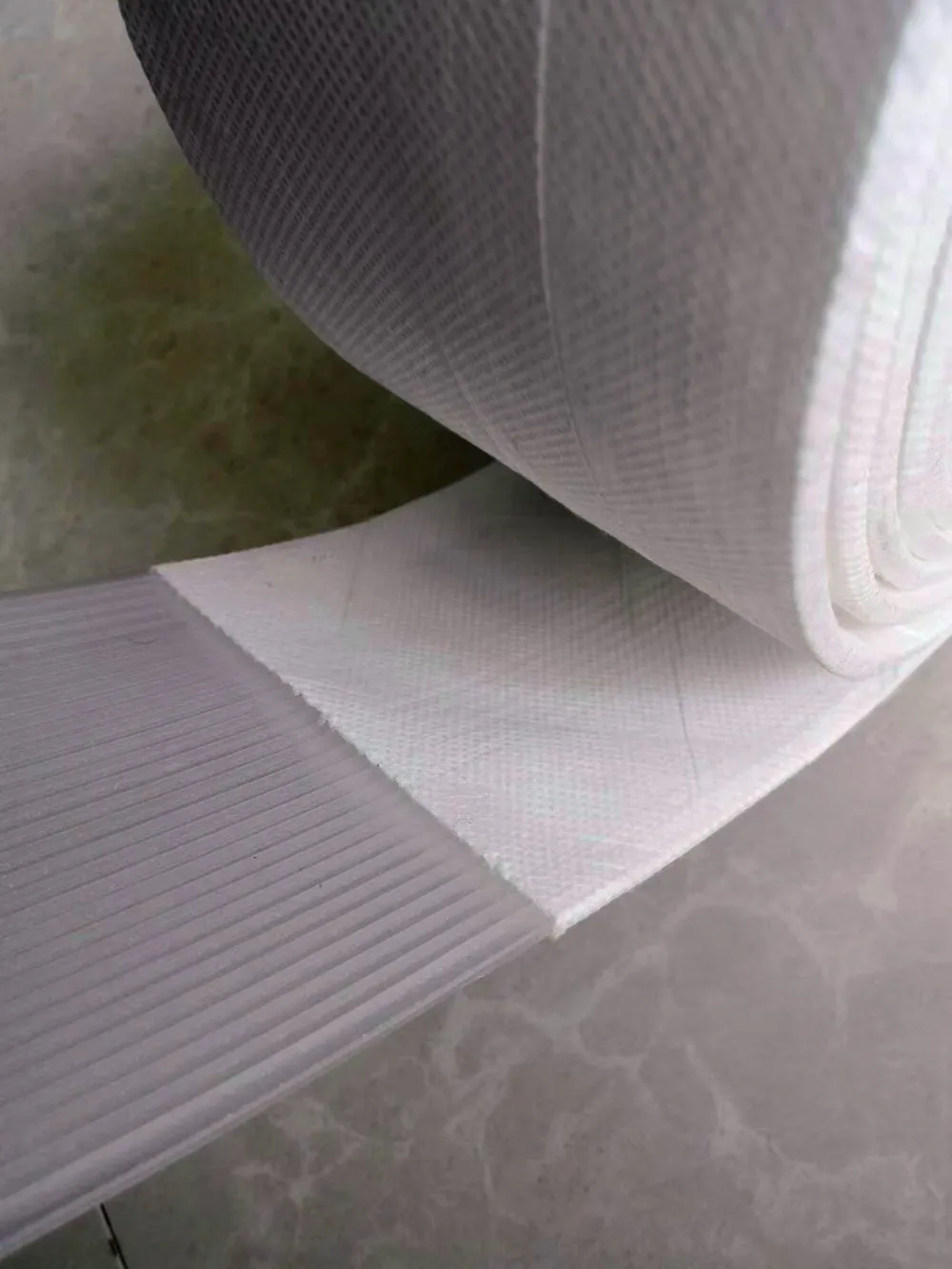
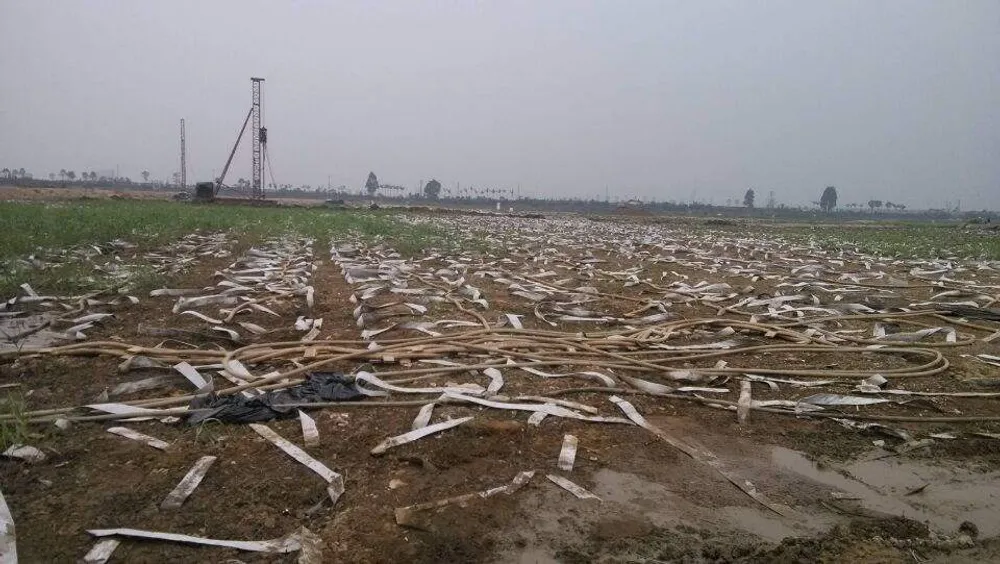
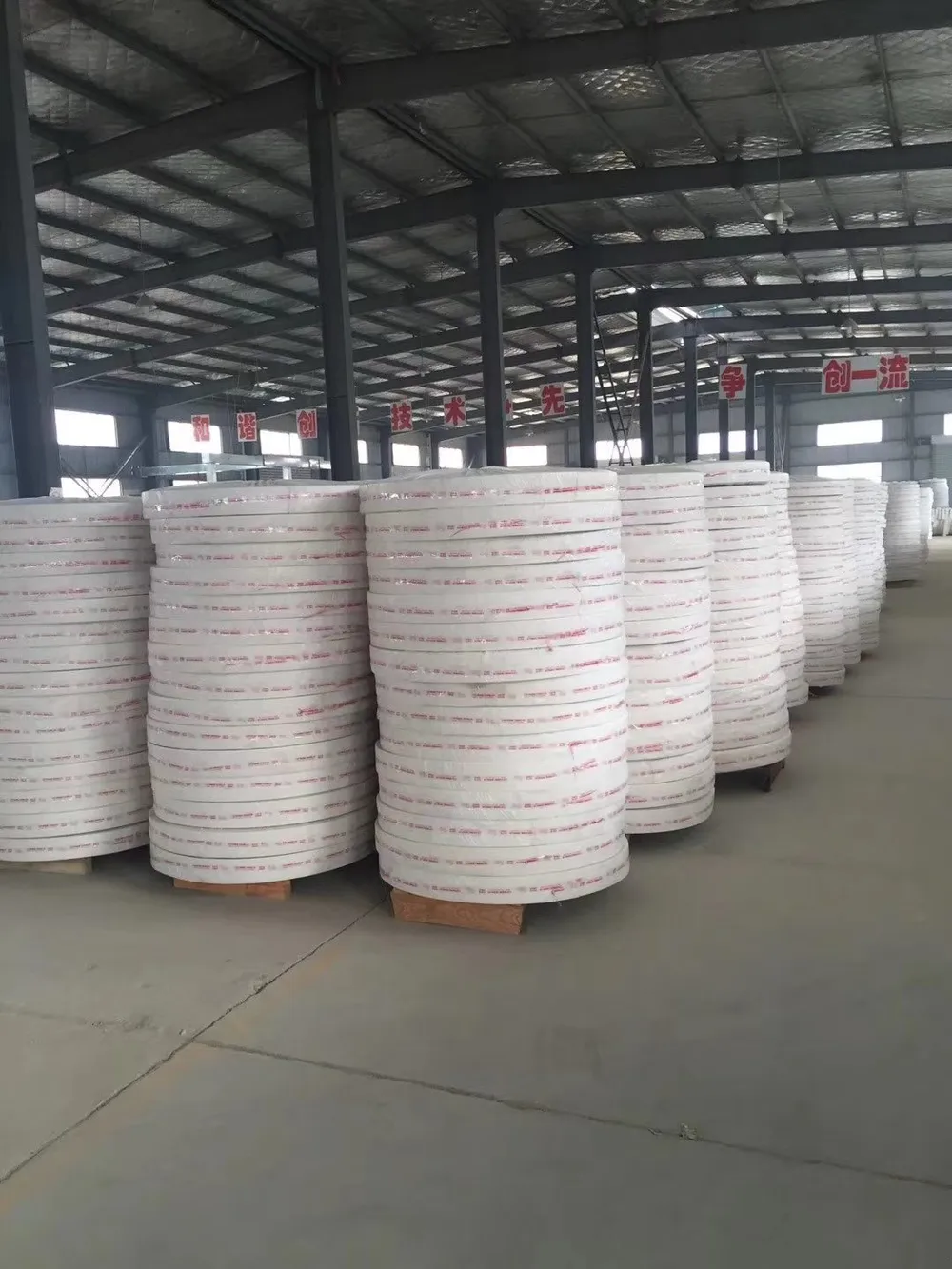
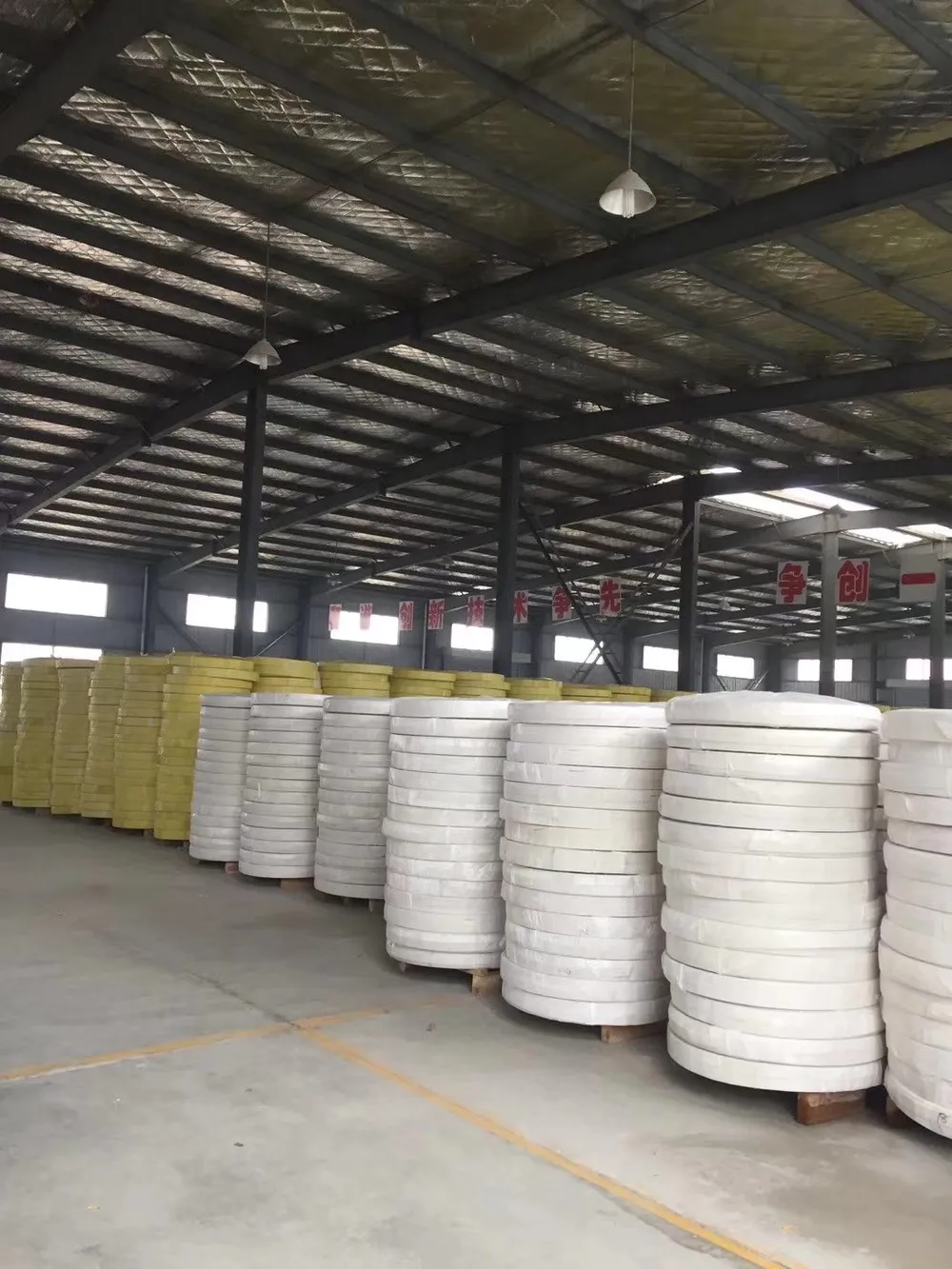
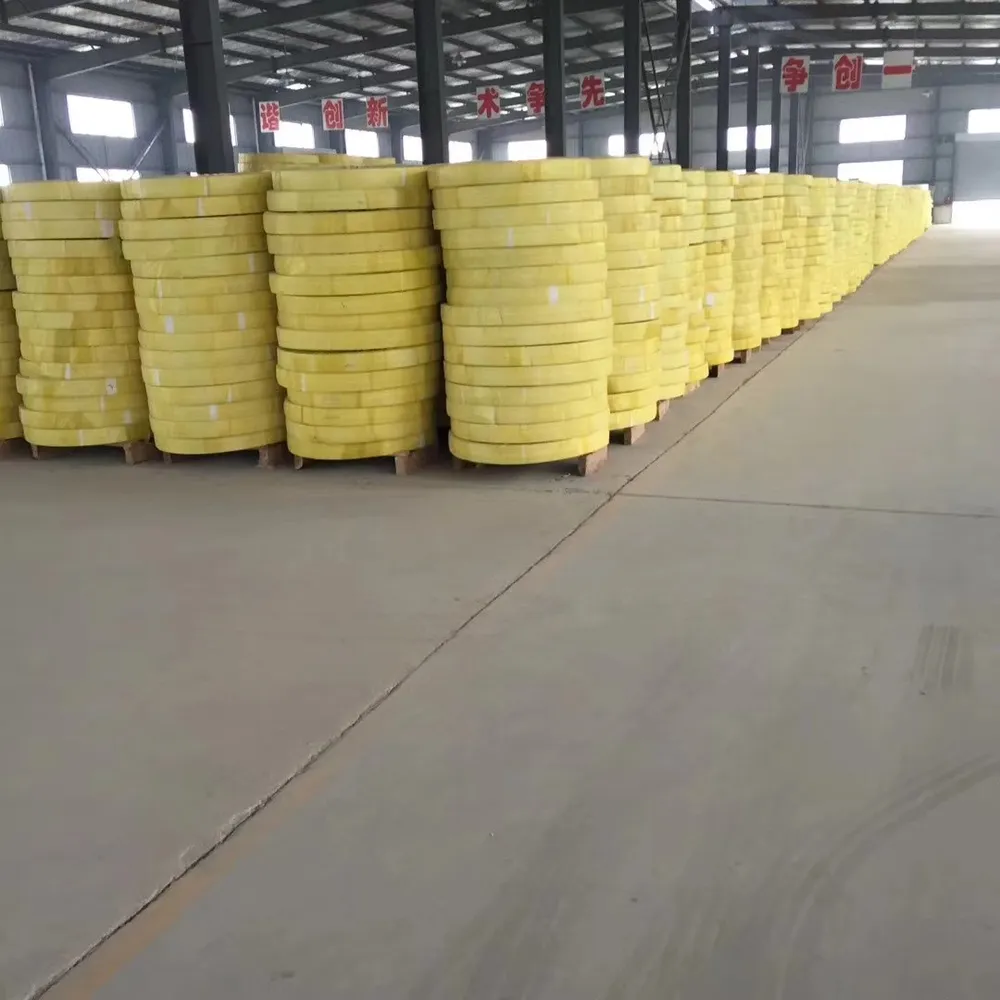
Prefabricated vertical drain (PVD / wick drain) — typical properties; discharge capacity per ASTM D4716. Fabric values MARV, core/product Typical Values (ASTM D4439). Representative of a 100 mm-wide PVD.
| Property | Unit | Value | Test Method |
|---|---|---|---|
| Product — Width | mm (in) | 100 (4.0) | — |
| Product — Core material | — | Polypropylene (PP) | — |
| Product — Filter material | — | Nonwoven / spunbond PP geotextile | — |
| Product — Discharge capacity | gpm (L/min) | 1.6 (6) | ASTM D4716 |
| Product — Roll length | m (ft) | 305 (1,000) | — |
| Core — Tensile strength | N (lb) | 1,001 (225) | ASTM D4595 |
| Filter — Water flow rate | L/min/m² (gpm/ft²) | 2,444 (60) | ASTM D4491 |
| Filter — Permittivity | sec⁻¹ | 0.8 | ASTM D4491 |
| Filter — Apparent opening size (AOS) | micron (US sieve) | 210 (#70) | ASTM D4751 |
| Filter — Grab tensile strength | N (lb) | 578 (130) | ASTM D4632 |
| Filter — Grab elongation | % | 50 | ASTM D4632 |
| Filter — Trapezoidal tear | N (lb) | 267 (60) | ASTM D4533 |
| Filter — CBR puncture resistance | N (lb) | 1,290 (290) | ASTM D6241 |
| Filter — UV resistance (% retained / 500 h) | % | 70 | ASTM D4355 |
A PVD (wick drain) is installed vertically into soft soil to create short radial drainage paths. Under a preload, excess pore water pressure dissipates quickly through the drain, so the soft clay consolidates and gains shear strength in months instead of years — letting the ground support embankment and fill loads sooner.
For soft clay foundation deposits, consolidation times can be reduced from many years to roughly 0.5–2 years, depending on the soil, drain spacing and surcharge. The undrained shear strength of the clay also increases as it consolidates.
Discharge capacity is measured per ASTM D4716 at a stated normal pressure and hydraulic gradient, because flow drops as confining pressure rises and the filter intrudes into the core. Commonly cited acceptance criteria are about 500 m³/year (straight) and 250 m³/year (buckled); the project value is confirmed against the actual confining stress.
It is a two-part band drain: a formed polypropylene (PP) drainage core wrapped in a nonwoven / spunbond PP geotextile filter. The core carries the water and the filter keeps soil fines out. A common width is 100 mm; core thickness is typically 3–5 mm.
A rig pushes a hollow steel mandrel — with the band drain inside and an anchor plate pinning the bottom — down to the design depth, then withdraws it, leaving the drain in the soil. Drains are installed on a triangular or square grid (closer spacing means faster consolidation), connected by a surface drainage blanket, and a preload or surcharge is placed so pore water can drain upward.
A common supply is 305 m (1,000 ft) per roll of 100 mm-wide band drain. The roll feeds straight through the installation rig, so long lengths reduce splicing on site. Tell us your total drainage length and we will confirm roll count and packing.
Yes. PVD is quoted by the metre against the model, core thickness and discharge-capacity-vs-pressure curve from SIGMA datasheet. Rolls are compact and ship efficiently by sea container; send us the design depth, grid spacing and total length and we will confirm price, minimum order, lead time and container packing.
Tell us quantity, destination port, and any questions — we reply within one business day.
Drainage HDPE double-wall corrugated drainage pipe (Type S) to AASHTO M294 — corrugated outside, smooth inside, solid or perforated, 4"–60" for culverts.
 Drainage
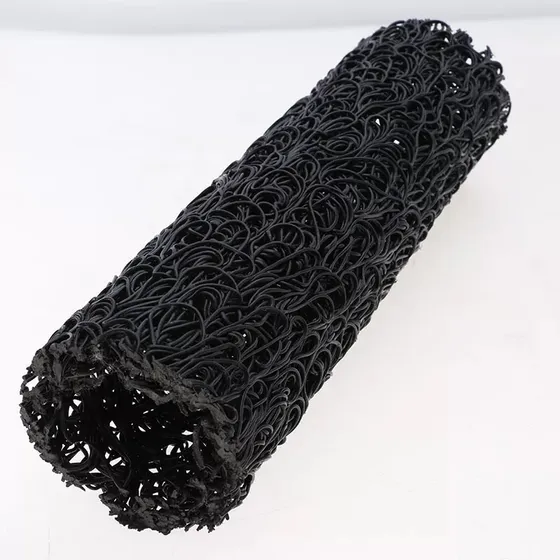
 Rigid permeable drain pipe (plastic blind ditch) — a PE filament-wound permeable core, optionally geotextile-wrapped, for rapid groundwater intake.
 Drainage
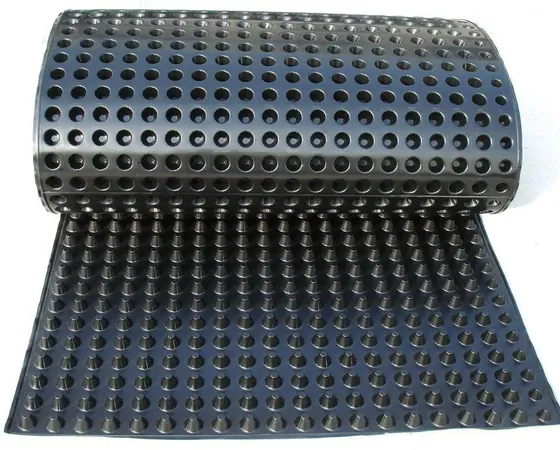
 HDPE dimpled drainage sheet (dimple board) — a studded polyethylene membrane that drains and waterproofs foundation walls, basements and green roofs.