
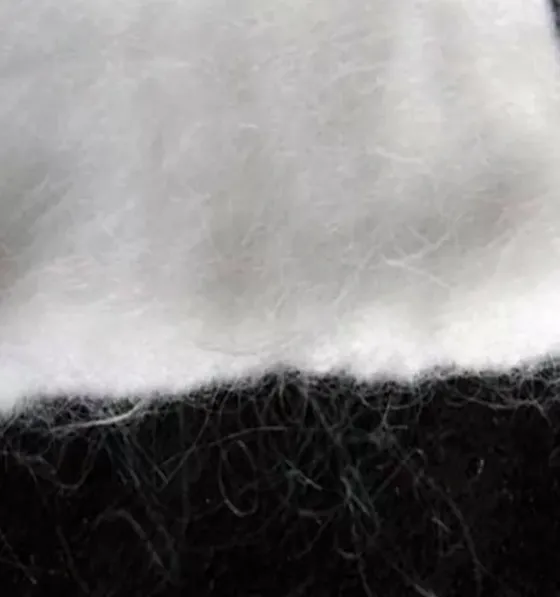
 Геотекстиль
 Нетканый геотекстиль (дорнит)
Иглопробивной нетканый геотекстиль (дорнит) из штапельного волокна ПЭ/ПП по AASHTO M288.
- AASHTO M288
- Иглопробивной · ≥50% удлин.
- Фильтрация · дренаж
Нетканый геотекстиль делают по-разному: иглопробивной, спанбонд и термоскреплённый — у каждого своя прочность и водопроницаемость.
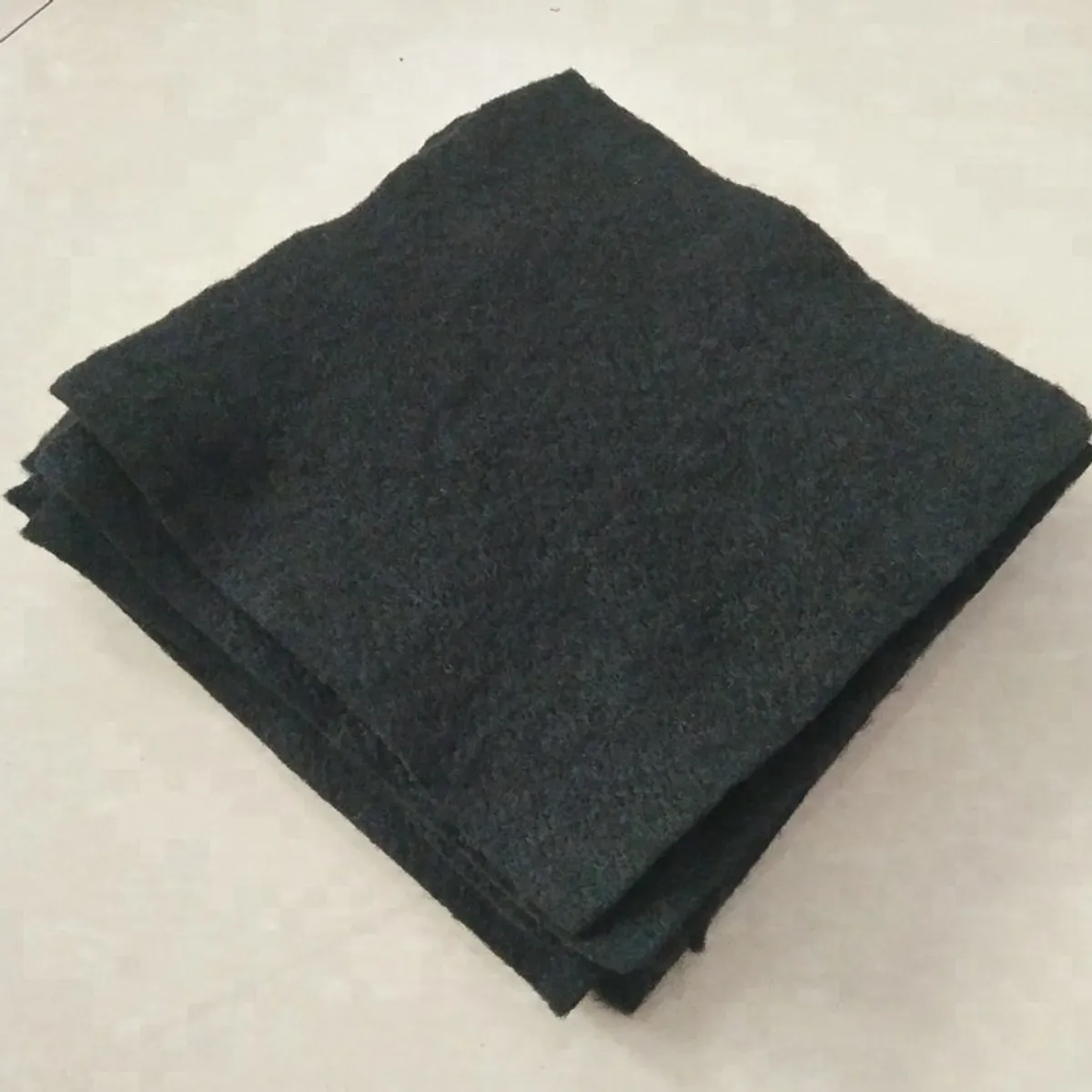
Нетканый геотекстиль начинается с рыхлого ПП- или ПЭТ-волокна, а дальше всё решает способ скрепления — именно он превращает волокно в готовое полотно. Иглопробивной нетканый геотекстиль механически переплетает волокна тысячами игл с зазубринами, получается плотное войлокоподобное полотно с открытой трёхмерной пористой структурой. Спанбонд формуют иначе: непрерывные нити выходят прямо из расплава полимера и укладываются в полотно, получается более тонкое и равномерное покрытие с постоянным шагом нитей. Термоскреплённый нетканый геотекстиль берёт более лёгкое волокнистое полотно и сплавляет его теплом и давлением в точках контакта, на выходе — более плоская, похожая на бумагу ткань. Волокно одно и то же, а структура и назначение — разные.
При одинаковой плотности иглопробивной геотекстиль самый толстый из трёх, и именно эта пышность даёт высокую стойкость к проколу и высокий коэффициент фильтрации — это стандартный выбор для дренажа, фильтрации и защитной подушки под геомембраной. Полиэфирный геотекстиль (ПЭТ, иглопробивной) держит прочность и водопроницаемость под долгой нагрузкой лучше, чем аналог из ПП, потому что полиэфир меньше ползёт со временем. Спанбонд тоньше и слабее на прокол при том же весе, зато стабильнее по размерам и меньше рвётся по прямой линии — поэтому его берут на лёгкое разделение слоёв. У термоскреплённого полотна самый низкий коэффициент фильтрации из трёх: оплавленные точки контакта частично закрывают поры — хорош как лёгкий разделитель или обёрточный слой, но не как основной фильтр.
Независимо от способа скрепления важен и материал волокна. Геотекстиль полипропиленовый — более доступный вариант по умолчанию для фильтрации и разделения. Полиэфирный геотекстиль (ПЭТ) стоит дороже, зато лучше сопротивляется ползучести и УФ-деградации, поэтому его берут в постоянное армирование или в фильтрацию с долгим сроком службы. Не путайте всё это с ткаными материалами: геоткань — это лента, сотканная в плотную решётку для армирования на растяжение, а не войлокоподобное нетканое полотно. За полным сравнением конструкций смотрите наш гид по геоткани и нетканому геотекстилю.
Иглопробивной геотекстиль берите под плёнку пруда или полигона, вокруг перфорированной дренажной трубы и как нетканый фильтрующий слой за щебнем и подпорными стенками — везде, где нужен реальный расход воды и защита от прокола. Спанбонд берите на разделительные слои дорог и железнодорожного полотна, где грунт стабилен и задача — просто не дать грунту и щебню перемешаться, без серьёзной фильтрации. Термоскреплённый нетканый геотекстиль подходит как лёгкая прослойка под дорожное покрытие или обёрточный слой, где толщина не нужна, а важна цена за квадратный метр. Сначала выбирайте по способу скрепления, потом по волокну — так спецификация сходится с первого раза.
Слово «нетканый» в спецификации почти ничего не говорит само по себе — пришлите нам применение (дренаж, разделение, фильтрация, защитная подушка), нужный коэффициент фильтрации или AOS и нагрузку, и мы подберём иглопробивной, спанбонд или термоскреплённый геотекстиль из ПП или ПЭТ. У нас в наличии нетканый геотекстиль, иглопробивной полиэфирный геотекстиль ПЭТ и нетканый геотекстиль-спанбонд из полиэфирной нити стандартных плотностей, режем и отгружаем в рулонах.
Бесплатный гид по выбору геосинтетики и спецификациям
Марки материала, подбор толщины/плотности и диапазоны цен для вашего проекта — на вашу почту.
Иглопробивное полотно механически переплетено зазубренными иглами в толстое, открытое, войлокоподобное полотно с высоким коэффициентом фильтрации и стойкостью к проколу. Спанбонд — это непрерывные нити, уложенные в более тонкое и равномерное полотно с меньшей водопроницаемостью, но лучшей стабильностью размеров. Иглопробивной подходит для дренажа и фильтрации, спанбонд — для лёгкого разделения.
ПЭТ лучше сопротивляется ползучести и УФ-деградации и дольше держит прочность под нагрузкой, поэтому его выбирают для постоянного армирования или фильтрации с долгим сроком службы. Нетканый геотекстиль из ПП стоит дешевле и остаётся стандартным выбором для рядового дренажа, разделения и фильтрации с более коротким сроком службы.
Не как основной фильтр. Оплавленные точки контакта частично закрывают поровую структуру, поэтому у него самый низкий коэффициент фильтрации из трёх способов скрепления. Он подходит как лёгкий разделитель или обёрточный слой, а для дренажа или фильтрации правильный выбор — иглопробивной геотекстиль.
Геоткань — это лента, сотканная в плотную решётку для армирования на растяжение и разделения, с низкой водопроницаемостью. Нетканый геотекстиль — иглопробивной, спанбонд или термоскреплённый — это войлокоподобное или скреплённое волокно с открытой пористой структурой для фильтрации, дренажа и защитной подушки. Полное сравнение — в нашем гиде.
Геотекстиль Иглопробивной нетканый геотекстиль (дорнит) из штапельного волокна ПЭ/ПП по AASHTO M288.
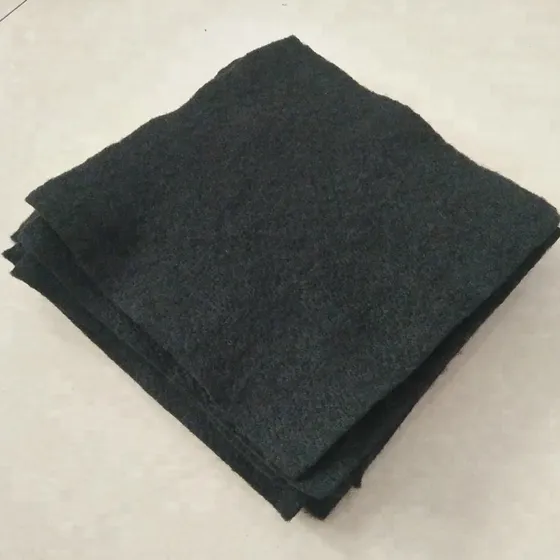 Геотекстиль
 Иглопробивной полиэфирный геотекстиль (ПЭТ) по AASHTO M288 — разделение слоёв, фильтрация, дренаж и защита геомембраны в строительстве.
Геотекстиль Нетканый геотекстиль из непрерывной полиэфирной нити по AASHTO M288 — спанбонд-полотно из ПЭТ-филамента с высокой прочностью и хорошим дренажом для дорог.
Сообщите ваше применение и количество — наша команда отвечает в течение одного рабочего дня.