Что означает труба ПНД двустенная гофрированная
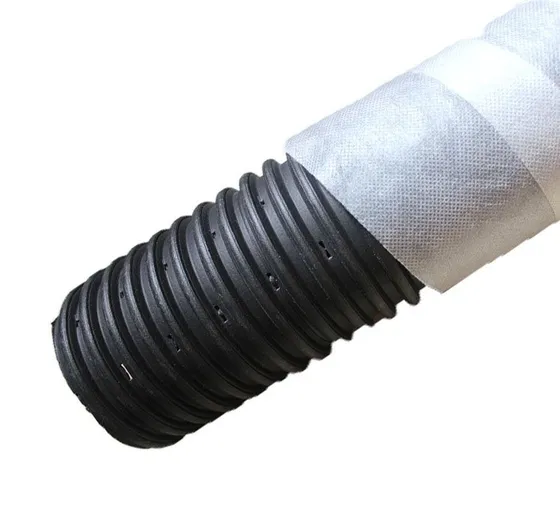
Труба ПНД двустенная гофрированная — у неё две стенки, и у каждой своя задача. Внутренняя стенка гладкая, поэтому пропускает поток с тем же низким сопротивлением, что и сплошностенная труба. Наружная стенка гофрированная, и именно гофр даёт трубе кольцевую жёсткость без лишнего расхода ПНД, который потребовался бы сплошностенной трубе той же жёсткости. В этом вся идея: гидравлика — от гладкого внутреннего канала, конструктивная жёсткость — от рёбер наружного профиля, а материала и веса меньше, чем у однослойной трубы того же класса нагрузки.
Диаметры и кольцевая жёсткость
Труба гофрированная двустенная из ПНД у большинства производителей идёт от около 100 мм до 1200 мм в диаметре, это покрывает всё — от ввода в дом до магистрального ливневого коллектора. Кольцевую жёсткость классифицируют как SN4 или SN8 (кН/м²): SN4 — под неглубокое заложение и лёгкую нагрузку, SN8 — там, где труба идёт под дорогой или несёт более глубокую засыпку. Ошибётесь с классом — либо переплатите за жёсткость, которая не нужна, либо заложите трубу, которая овализируется под нагрузкой. Подтвердите глубину заложения, засыпку и временную нагрузку до заказа, а не после.
Где применяют трубу ПНД двустенную
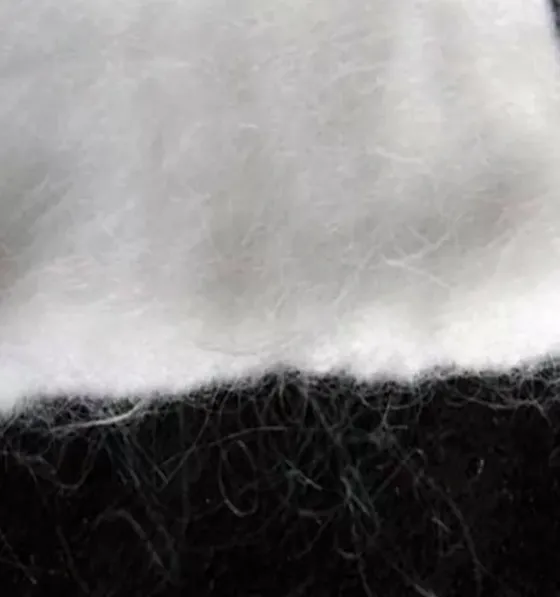
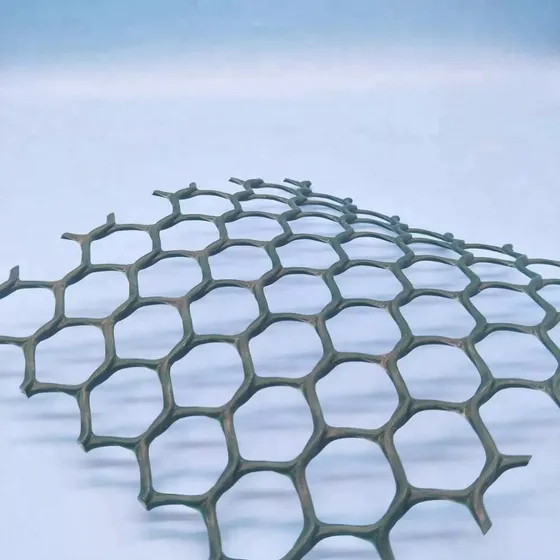
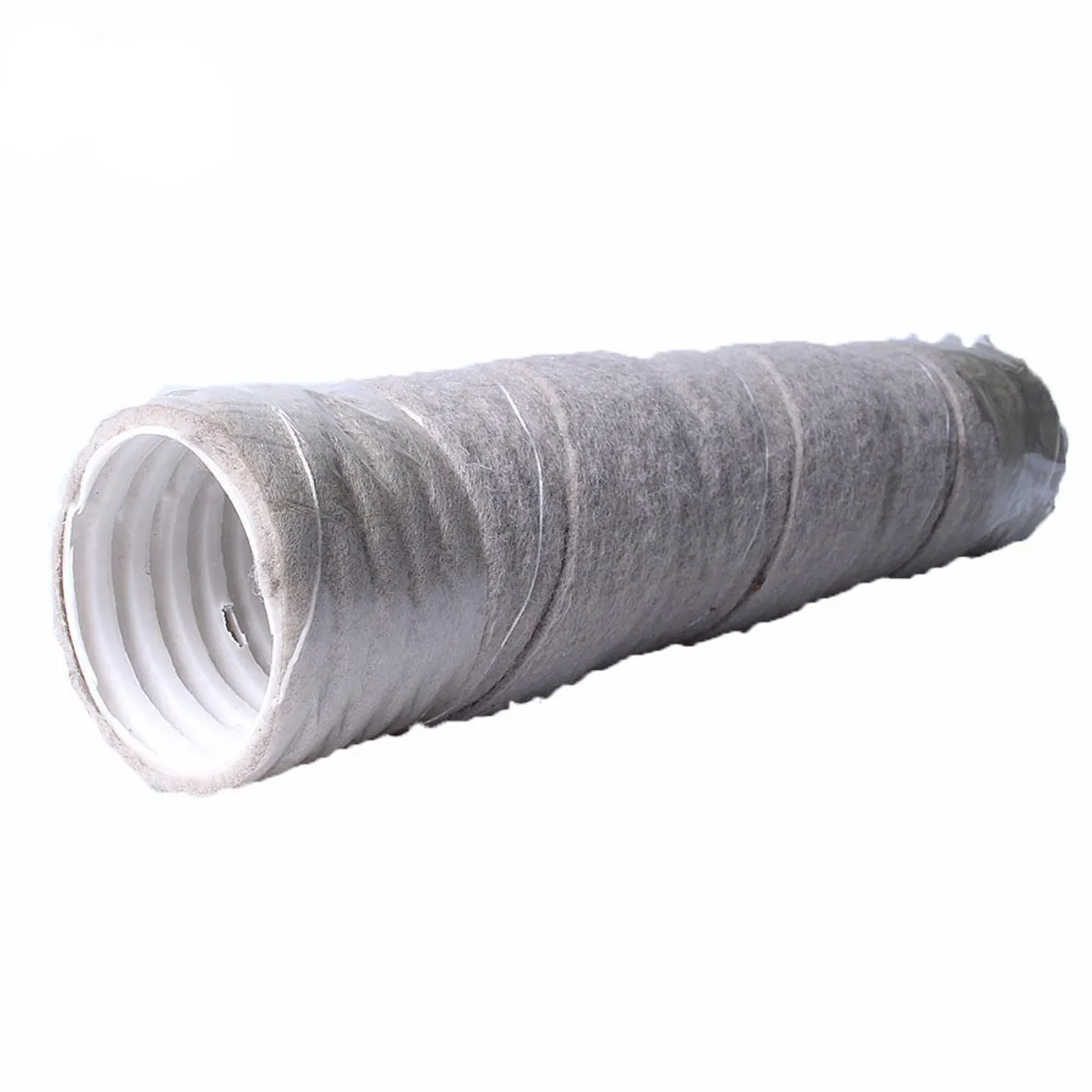
Ливневая канализация и дорожные водопропускные трубы — крупнейший рынок для гофрированной дренажной трубы: она пропускает большие расходы недорого и монтируется быстро что в открытой траншее, что бестраншейным способом. Самотечная канализация использует тот же профиль там, где коррозионная стойкость важнее, чем даёт бетонная или чугунная линия. В сельскохозяйственном и объектовом дренаже перфорированная версия той же двустенной трубы собирает и отводит подземную воду, обычно в паре с фильтром из нетканого геотекстиля, чтобы мелкие частицы не забивали гофры за сезон, — механика та же, что у любой дренажной трубы в геотекстильном фильтре. Там, где линии нужен ещё и путь стока вдоль склона или за стеной, а не сквозь неё, эту задачу вместо трубы решает дренажный композит геосетка.
Основы монтажа
Укладывайте трубу на уплотнённый зернистый материал, никогда напрямую на грунт, и подбейте пазухи по бокам, чтобы труба получила боковую опору до прихода нагрузки засыпки, — кольцевая жёсткость в спецификации предполагает правильную подбивку пазух, а не трубу, свободно лежащую в траншее. Стыки — раструбные, с прокладкой; соединяйте нажимом, не силой. Засыпайте слоями и уплотняйте каждый — труба, которая овализируется в эксплуатации, почти всегда указывает на засыпку, которую отсыпали слишком быстро или не уплотнили послойно. На перфорированных участках оберните трубу или наденьте фильтр-чулок до засыпки, чтобы дренажная функция пережила первый же ливень.
Что определяет цену
Диаметр и класс SN — два главных фактора себестоимости: труба SN8 диаметром 400 мм стоит заметно дороже за метр, чем SN4 того же диаметра, потому что более жёсткий класс требует больше ПНД в гофре. Перфорированная версия против сплошной, раструбные фитинги и логистика (труба ПНД объёмная, и фрахт на больших диаметрах может сравняться со стоимостью материала) довершают картину цены. Пришлите диаметр, класс SN, длину и нужна ли перфорация — мы дадим цену с доставкой за метр, а не голую цену с завода.
Бесплатный гид по выбору геосинтетики и спецификациям
Марки материала, подбор толщины/плотности и диапазоны цен для вашего проекта — на вашу почту.

 Дренаж