Почему рассыпной гравий без решётки не держится
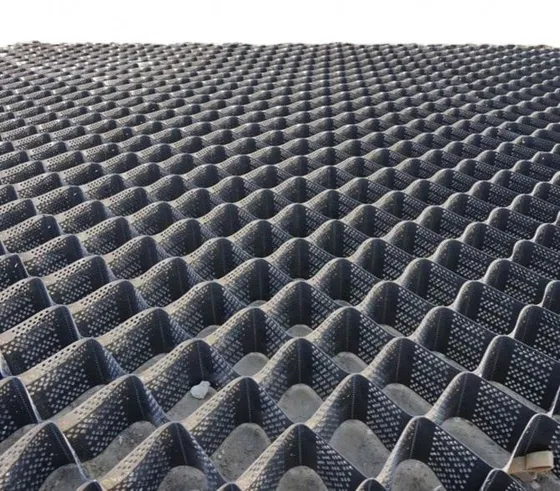
Рассыпной гравий расползается. Машины вминают его в колеи, ноги выбивают на газон, дождь вымывает мелкую фракцию в низины. Гравийная решётка — это сотовая ячеистая панель из ПНД, которая запирает камень на месте. Каждая ячейка работает как маленькая подпорная стенка для гравия внутри неё, поэтому поверхность держит форму под нагрузкой, а не проседает колеёй и не расползается.
Подготовка основания и мембрана
Выберите растительный слой и органику, затем уплотните подстилающий грунт. На глинистых или суглинистых грунтах раскатайте нетканый геотекстиль перед укладкой решётки — именно это поставщики называют гравийной решёткой с мембраной. Полотно не даёт мелкой фракции из основания подниматься в гравий, но пропускает воду, поэтому готовая поверхность работает как водопроницаемая решётка для проезда, а не как запечатанное покрытие.
Укладка решётки
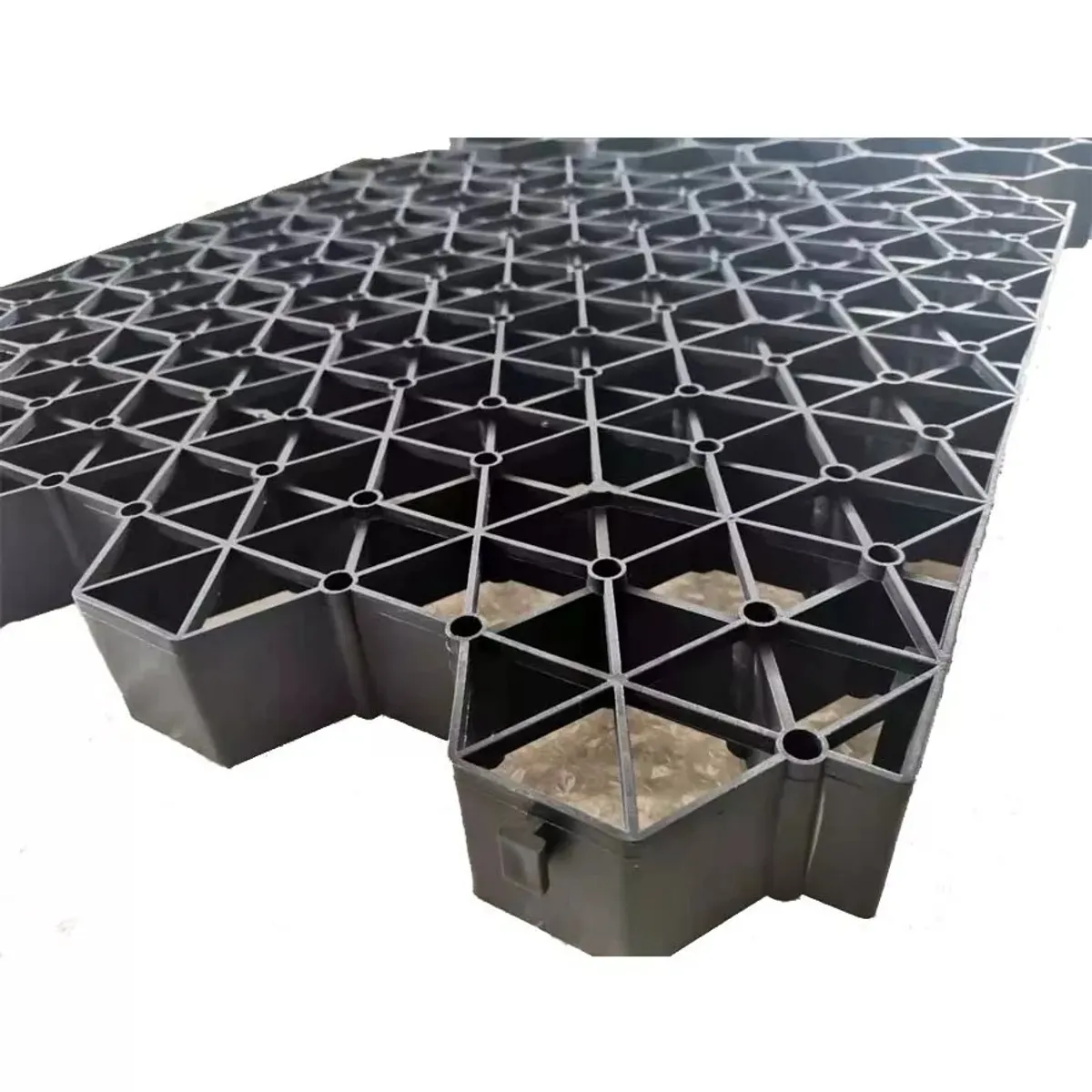
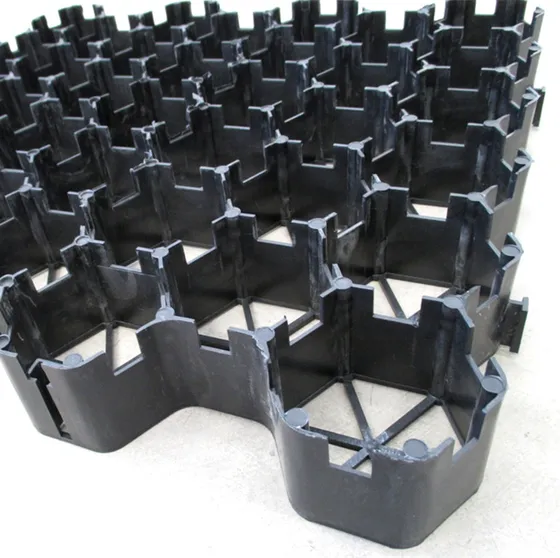
Раскатайте панели встык. Большинство решёток для стабилизации гравия соединяются пазом и шипом, поэтому на прямых участках отдельные соединители не нужны. Пришпильте ячейки к основанию примерно через метр, особенно на уклонах, и подрежьте панели монтажным ножом на поворотах и вокруг ливнёвок. Правильно уложенная решётка для проезда должна лечь плоско, без зазоров между панелями, ещё до засыпки камнем.
Засыпка и уплотнение
Заполните ячейки угловатым гравием с небольшим перебором, затем уплотните виброплитой, пока камень не сядет вровень со стенками ячеек. Не используйте окатанную гальку саму по себе — она не заклинивается и будет вылетать из-под колёс. Для более тяжёлого автотрафика спросите про текстурированную объёмную георешётку ПНД — у неё выше стенка ячейки и более шершавая поверхность для дополнительного сцепления с засыпкой.
Проезд, площадка и дорожка — что меняется
Проезду нужен полноценный подход с решёткой под гравий: полное основание, мембрана и решётка, рассчитанная на нагрузку от автомобиля. Площадка или дорожка несут только пешеходную нагрузку, поэтому достаточно более лёгкой решётки поверх тонкого основания, а глубину ячейки можно снизить с 40 мм до 20-25 мм. Для откосов и переувлажнённого грунта смотрите наш материал про укрепление грунта георешёткой. Пришлите параметры объекта — тип покрытия, нагрузку и площадь, — и мы подберём решётку и посчитаем количество рулонов.
Бесплатный гид по выбору геосинтетики и спецификациям
Марки материала, подбор толщины/плотности и диапазоны цен для вашего проекта — на вашу почту.

 Георешётки для парковки