
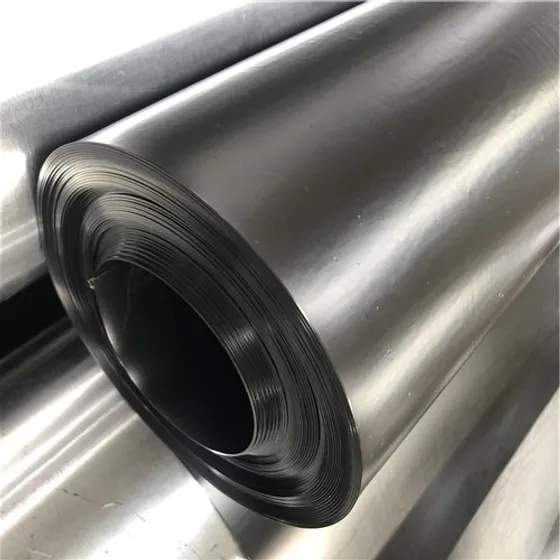
 Геомембраны
 Геомембрана HDPE (ПНД)
Гладкая геомембрана HDPE (ПНД) по GRI-GM13 — водонепроницаемая полиэтиленовая пленка для пруда, полигона и резервуара, толщина 0,75–3,0 мм.
- GRI-GM13
- 0,75–3,0 мм (30–120 mil)
- Гладкая · чёрная
Как выбрать плёнку для пруда с кои: HDPE, LLDPE или EPDM, безопасность для рыбы и стойкость к УФ на срок 15-20 лет.
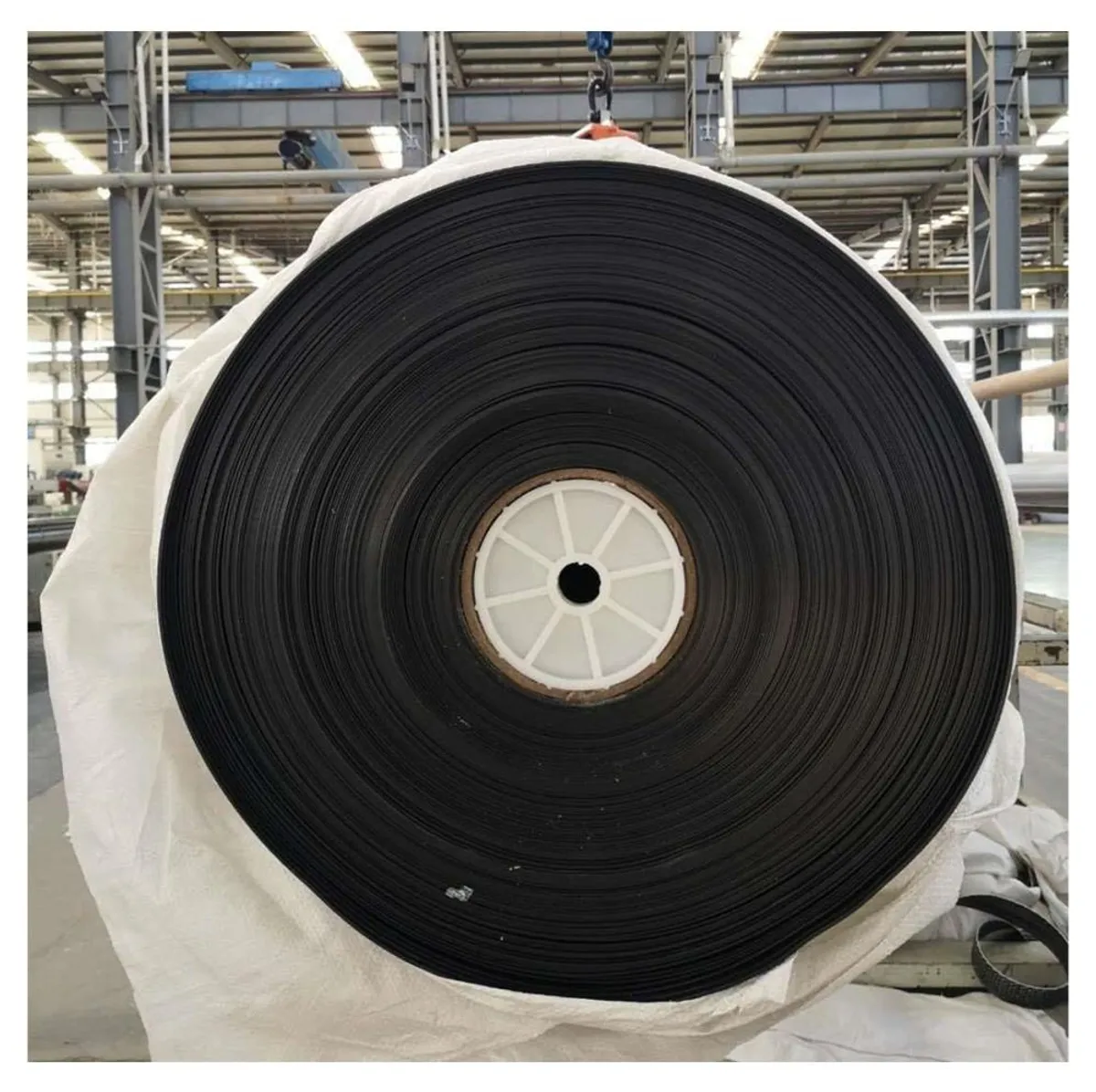
У пруда для разведения рыбы или креветки задача одна: держать воду, не протекая. У пруда с кои требование выше — вода годами соседствует с дорогими, долгоживущими рыбами, часто на виду, среди ландшафтного декора. Это меняет вопрос выбора материала. Вы покупаете не просто плёнку для пруда, а материал, который обязан быть химически инертным рядом с рыбой, держать УФ на открытых кромках и оставаться достаточно гибким, чтобы облегать камни и контур водопада, не растрескиваясь.
Как плёнка для прудов и водоёмов, геомембрана HDPE — самый прочный и дешёвый материал за квадратный метр, и она безопасна для рыбы, если взята гладкая (нетекстурированная) марка — это база, на которой стоит большинство крупных декоративных прудов и прудов с кои. LLDPE — более гибкая плёнка для пруда: ниже жёсткость, лучше держит прокол и растяжение на неровных формах, водопадах и узких кромках, что важнее для садовых прудов и водных элементов декора, чем для плоского рыбоводного пруда. Резину EPDM в России нередко продают под названием «бутилкаучуковая плёнка для пруда» (хотя технически это разные каучуки) — она распространена в Северной Америке для небольших домашних прудов, но стоит в разы дороже за рулон и не даёт реального преимущества по безопасности для рыбы перед HDPE или LLDPE из первичного полимера. Для всего крупнее небольшого садового пруда геомембрана — более экономичный вариант тяжёлой плёнки для пруда. Если не уверены, какая марка подойдёт под вашу форму, на странице о плёнке для пруда разобраны толщина и варианты фактуры по типу водоёма.
«Безопасно для рыбы» — не маркетинговый ярлык, а вопрос чистоты смолы. Первичный полимер HDPE и LLDPE (без вторичной переработки, без неизвестных добавок вторсырья) не выделяет пластификаторы и тяжёлые металлы, которыми грешат некоторые дешёвые плёнки ПВХ для пруда. Белая или чёрная плёнка для пруда из первичного полимера одинаково безопасна для рыбы — цвет здесь косметический и тепловой выбор, а не вопрос безопасности. Прежде чем облицовывать пруд с живыми кои, всегда запрашивайте у поставщика сертификат на смолу — это тот пункт спецификации, из-за которого стоит вернуть поставщику коммерческое предложение, если его там нет.
Большинство отказов плёнки для пруда с кои происходит не под водой, а у уреза и выше — там, где полотно открыто солнцу. UV-стабилизированные HDPE и LLDPE содержат сажу или УФ-добавки, рассчитанные на 15-20+ лет непрерывной эксплуатации на улице; нестабилизированные или тонкие безымянные рулоны меловеют и трескаются за пару сезонов. Если по проекту часть полотна остаётся открытой выше уреза воды (водопад, нахлёст кромок, стенки биофильтра), берите УФ-стойкую марку даже там, где подводная часть технически могла бы обойтись более дешёвой — экономить проценты на смешивании марок не стоит.
Большие полотна поставляются в рулонах и могут быть сварены на заводе в одну панель без полевых швов — это главный шаг против протечек для пруда с кои: заводской шов надёжнее любой ленты или полевой заплаты. Всегда укладывайте под мембрану нетканый геотекстиль в качестве подложки — это дешёвая страховка от корней, камней и просадок, которые иначе проколют плёнку снизу. Пошаговый монтаж — в нашем руководстве по облицовке пруда, а ориентиры по цене — в материале про монтаж и стоимость плёнки для рыбного пруда.
Бесплатный гид по выбору геосинтетики и спецификациям
Марки материала, подбор толщины/плотности и диапазоны цен для вашего проекта — на вашу почту.
Для большинства прудов с кои лучший баланс гибкости, безопасности для рыбы и цены — УФ-стойкая LLDPE геомембрана из первичного полимера: она хорошо облегает камни и водопады. Для крупных или простых по форме прудов с кои HDPE — более дешёвая и не менее безопасная альтернатива. EPDM работает, но стоит заметно дороже без реального выигрыша в характеристиках именно для кои.
Да, если это первичная (не вторичная) смола HDPE или LLDPE с сертификатом от поставщика. Эти пластики химически инертны и не выделяют добавки в воду. Избегайте безымянных плёнок ПВХ без документации — именно там на практике возникают проблемы с безопасностью для рыбы.
0,75-1,0 мм — типичный диапазон для небольших и средних садовых и кои-прудов; 1,0-1,5 мм — обычная толщина для более крупных или глубоких прудов и везде, где полотно контактирует с камнями или корнями. Толще не всегда лучше — важнее подобрать толщину под подложку и основание, а не гнаться за максимальной толщиной.
Да. Поставщики сваривают рулоны на заводе в единую панель под размеры вашего пруда, что убирает необходимость в полевой сварке и остаётся самым надёжным способом избежать протечек на пруду сложной формы или большой площади.
Геомембраны Гладкая геомембрана HDPE (ПНД) по GRI-GM13 — водонепроницаемая полиэтиленовая пленка для пруда, полигона и резервуара, толщина 0,75–3,0 мм.
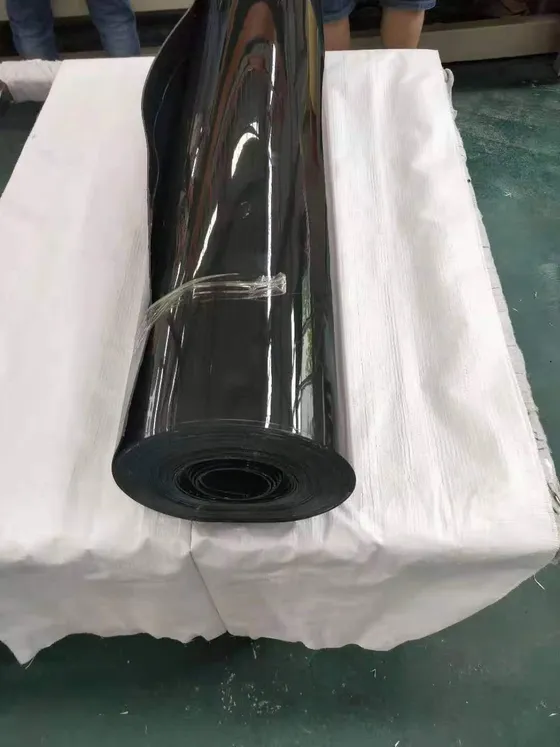 Геомембраны
 Гладкая геомембрана LLDPE по GRI-GM17 — гибкая мембрана из линейного полиэтилена низкой плотности, 0,50–3,0 мм, для полигона, пруда и обвалования.
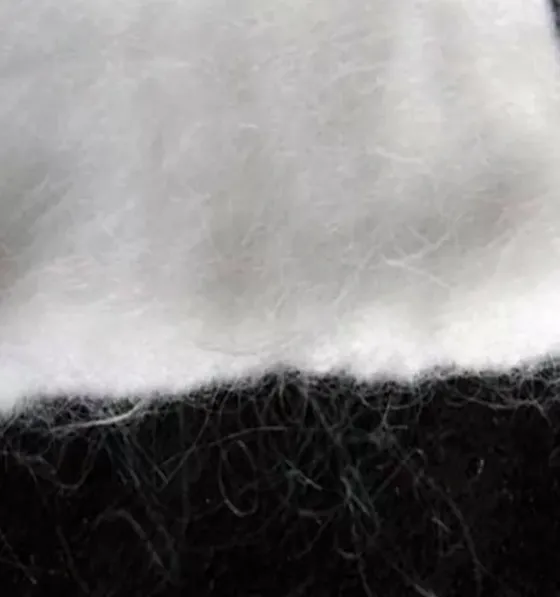 Геотекстиль
 Иглопробивной нетканый геотекстиль (дорнит) из штапельного волокна ПЭ/ПП по AASHTO M288.
Сообщите ваше применение и количество — наша команда отвечает в течение одного рабочего дня.