Что реально делает дренажный мат на рабочем полу
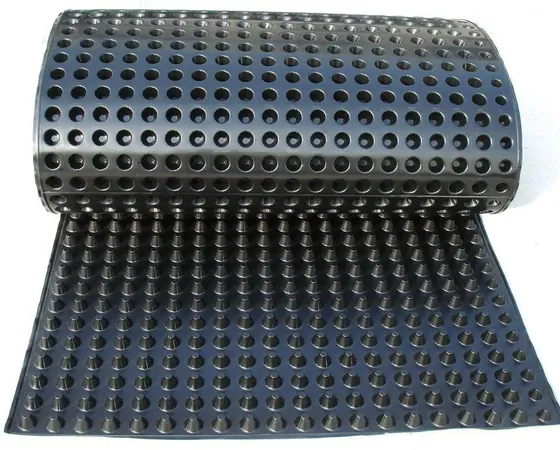
Дренажный мат — это не плоская резиновая дорожка, а шиповидный лист полиэтилена, который создаёт неглубокий воздушный зазор под ходовой поверхностью. Вода, технологические стоки или конденсат стекают между выступами-шипами к трапу вместо того, чтобы стоять на поверхности, а сами шипы держат покрытие сухим под ногами, даже пока вода ещё движется под ним. Именно сочетание открытого дренажного канала и рельефного верхнего слоя отличает настоящее противоскользящее дренажное покрытие от мата, который просто добавляет сцепление. SIGMA делает его из того же шиповидного дренажного листа ПНД, что идёт на дренаж фундаментов и подвалов, — именно поэтому он держится на полах, где стоячая вода бывает каждую смену.
Где противоскользящее дренажное покрытие находит своё место
Мокрые технологические полы — пищевые производства, прачечные, молочные цеха, участки разделки рыбы и мяса — очевидный вариант, но та же логика работает везде, где поверхность моют из шланга или где она естественно мокрая: погрузочные площадки, моечные боксы, технические помещения, раздевалки и душевые, крытые проходы в регионах с частыми дождями. Там, где персонал ходит по полу, который мокнет чаще раза в день, плоский коврик просто переносит опасность скольжения; дренажный мат убирает воду из-под ног, а не оставляет её растекаться по поверхности.
ПНД против резины или ПВХ: почему важен полимер
Резиновые и ПВХ-маты распространены, потому что они дешёвы и хорошо держат сцепление, пока новые, но оба со временем размягчаются, закручиваются по краям или трескаются под регулярной химической мойкой и УФ, а закрученный край — это уже своя опасность споткнуться. Дренажный мат из ПНД сделан из того же полиэтилена высокой плотности, что и химически стойкие геомембраны, поэтому он не впитывает воду, устойчив к большинству моющих химикатов и держит форму на улице, не становясь хрупким. Он стоит дороже базовой резиновой дорожки на входе, но окупает разницу тем, что не требует ежегодной замены на полу, который остаётся мокрым.
Подбор дренажного ядра: высота шипов, воздушный зазор и класс нагрузки
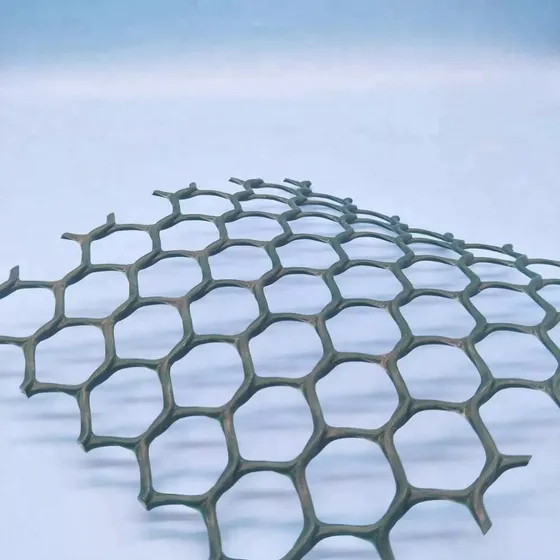
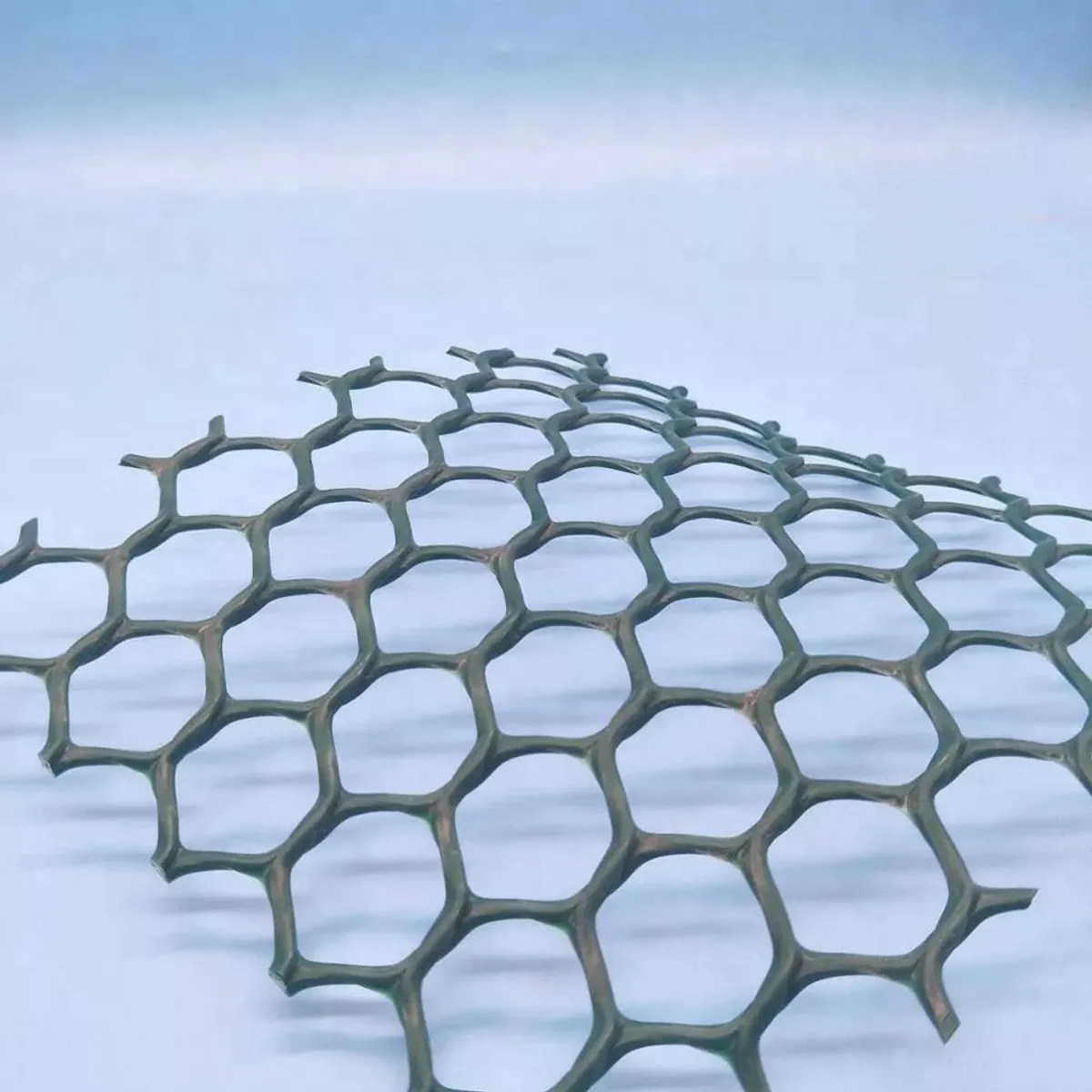
Высота шипов задаёт и дренажную способность, и профиль сцепления — неглубокий шип (примерно 8–10 мм) подходит под лёгкое пешеходное движение и умеренные объёмы мойки, а более глубокий шип пропускает больше воды под более сильным или постоянным потоком. Класс нагрузки — вторая переменная: мат, рассчитанный на пешеходные зоны, сомнётся и потеряет воздушный зазор под колесом рохли или погрузчика, поэтому полы с интенсивным или транспортным движением требуют более тяжёлого класса на сжатие, иногда с жёстким верхним слоем, приклеенным поверх шиповидного ядра. Там, где полу нужно пропускать больший объём воды по большей площади, а не только под ходовой поверхностью, — площадка погрузочного двора или дренажный канал у здания, — дренажный композит геосетка часто подходит лучше, чем шиповидный мат.
Подбор дренажного и противоскользящего покрытия для вашего пола
Скажите нам площадь пола, что на него проливают или льют из шланга, и идёт ли только пешеходное движение или ещё и колёсная нагрузка, — мы подберём высоту шипов и класс на сжатие, а не отправим типовой мат. Запросите расчёт дренажного мата ПНД с этими данными, и мы подтвердим спецификацию до отгрузки.
Бесплатный гид по выбору геосинтетики и спецификациям
Марки материала, подбор толщины/плотности и диапазоны цен для вашего проекта — на вашу почту.

 Дренаж